The Ballot That Was a Crime: Susan B. Anthony Votes
On November 5, 1872, Susan B. Anthony cast a ballot in Rochester's presidential election knowing women couldn't legally vote — and was arrested, convicted, and fined $100 she refused to pay.
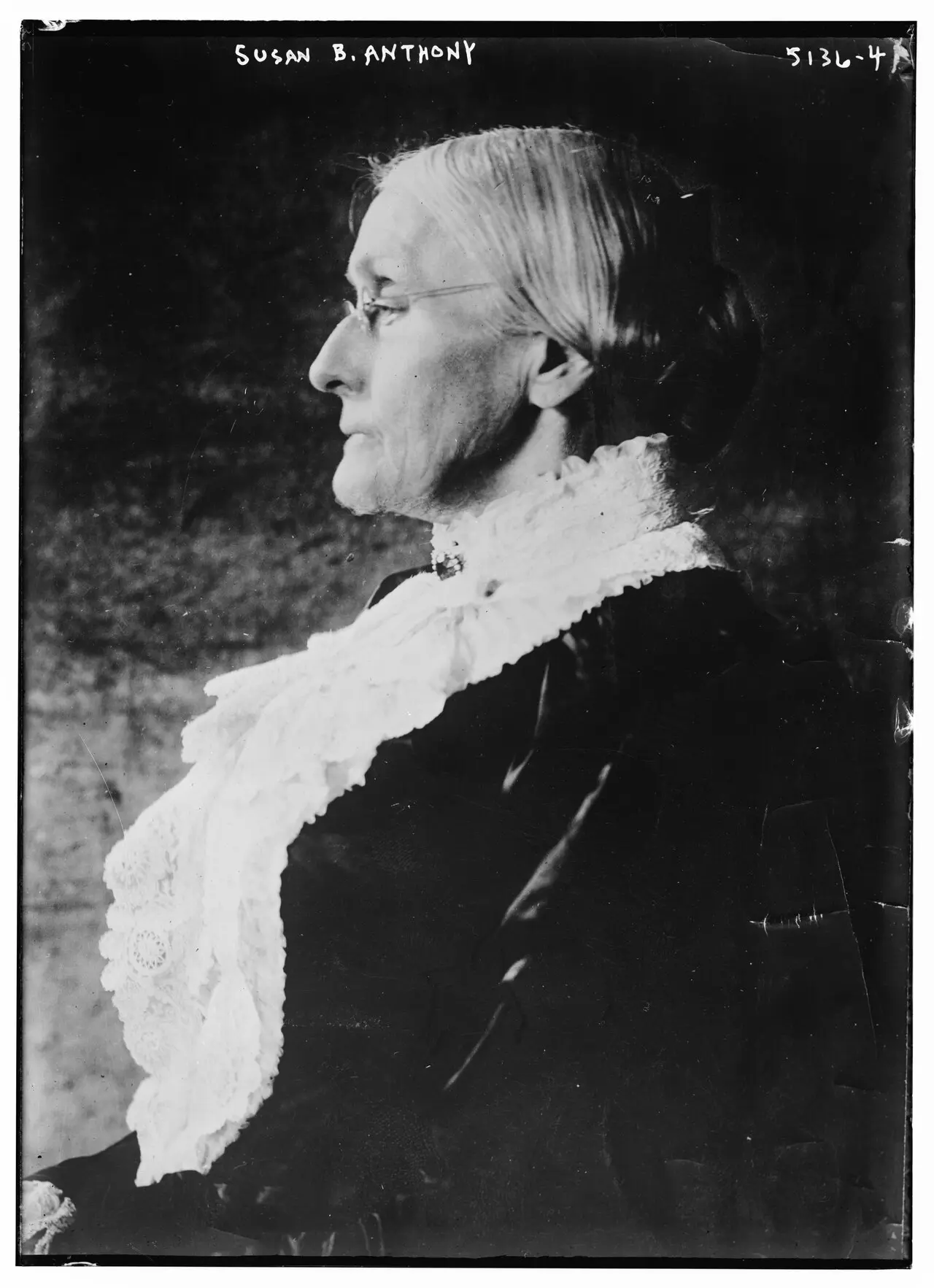
On November 5, 1872, Susan B. Anthony walked into a polling place in Rochester, New York, and committed a crime on purpose. She cast a ballot in the presidential election between Ulysses S. Grant and Horace Greeley — an act the law reserved for men. She knew exactly what she was doing. That was the point.
Four days earlier, Anthony had marched into a makeshift voter-registration office set up in a barbershop and demanded to be registered. The young election inspector, Beverly Jones, protested that New York's constitution gave the franchise only to male citizens. Anthony countered with the 14th Amendment, ratified in 1868, which declared all persons born in the United States to be citizens. If she was a citizen, she argued, how could the government deny her a citizen's vote? Flustered, the inspectors registered her — along with her sisters and a dozen other women.
On Election Day, Anthony and fourteen other women voted. None of the others were prosecuted. Anthony was singled out: on November 18, a U.S. deputy marshal arrived at her home and arrested her for voting illegally. She reportedly insisted on being handcuffed like any male prisoner.
Her trial in June 1873 was a showcase of injustice. The presiding judge, Supreme Court Justice Ward Hunt, refused to let Anthony testify in her own defense — then pulled out a written opinion he had prepared in advance and directed the all-male jury to convict without deliberating. The sentence: a $100 fine plus court costs. The judge then made a famous mistake — he asked if she had anything to say. Anthony rose and delivered one of the great speeches of the suffrage movement, declaring the proceedings a violation of her every right as a citizen. She closed with a vow history has never forgotten: "I shall never pay a dollar of your unjust penalty."
She never did. Anthony petitioned Congress to remit the fine; Congress refused. She died in 1906, fourteen years before the 19th Amendment finally gave American women the vote in 1920. In 2020, on the amendment's centennial, she was posthumously pardoned.
Anthony's illegal ballot didn't change the law in her lifetime. But it turned an abstraction — taxation without representation — into a courtroom drama the whole nation watched, and it made one woman's defiance the moral engine of a movement. Every vote cast freely today stands, in some small way, on the ballot she cast knowing it was forbidden.
Photo: Library of Congress, public domain (via Wikimedia Commons).