The Night the Reichstag Burned: Feb. 27, 1933
On February 27, 1933, arson gutted Germany's parliament building, and the Nazis used the Reichstag fire as the pretext to suspend civil liberties and cement their power.
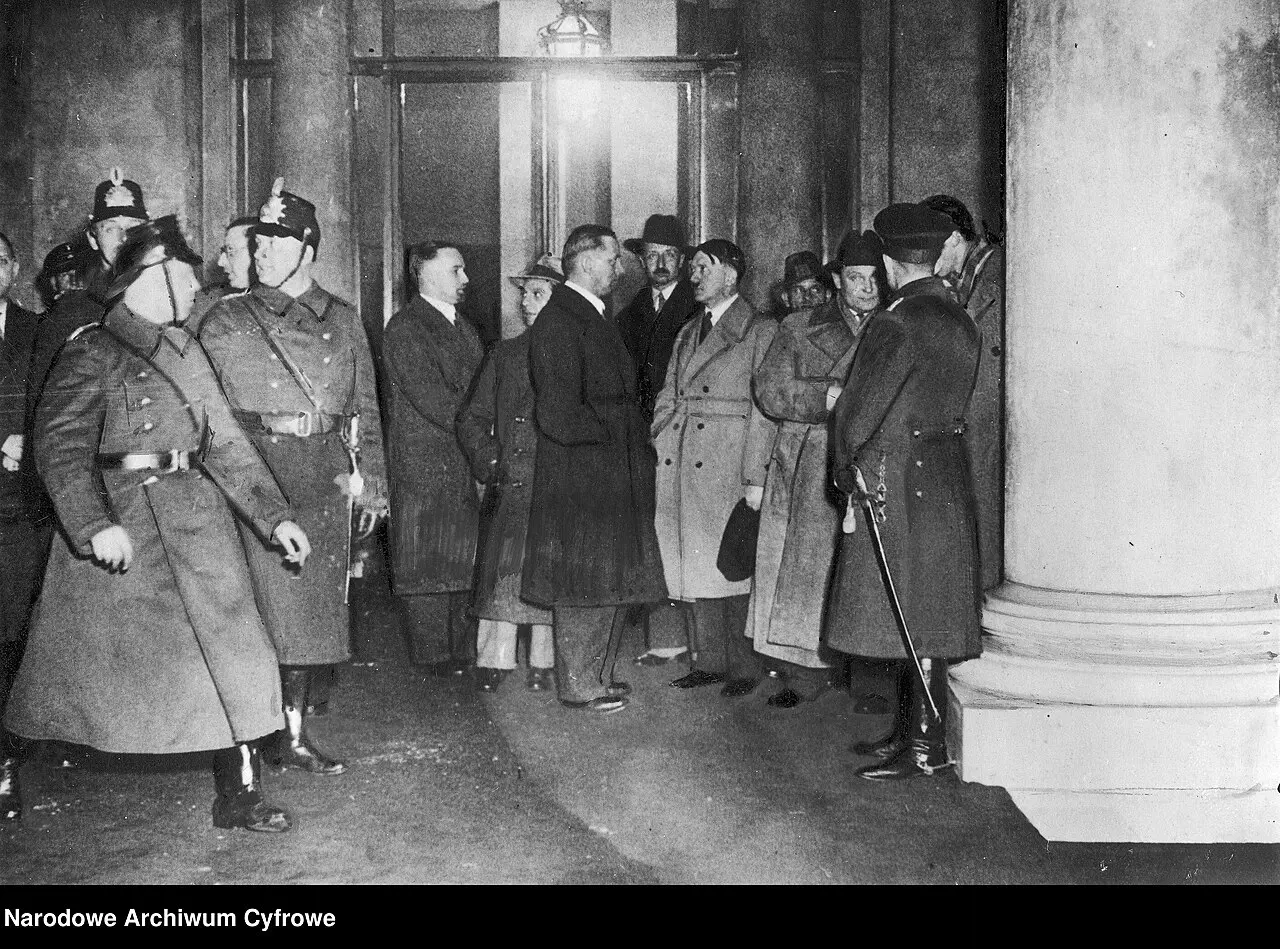
On the night of Monday, February 27, 1933, the sky over Berlin glowed orange. The Reichstag — the great stone parliament building that had symbolized German democracy — was burning.
The first alarm reached a Berlin fire station shortly after 9 p.m. By the time firefighters and police arrived, flames had engulfed the debating chamber and were consuming the building's gilded dome. Searching the smoldering halls, police found a young man inside: Marinus van der Lubbe, a 24-year-old Dutch laborer with communist sympathies. He was arrested at the scene.
The fire came at a fateful moment. Just four weeks earlier, on January 30, President Paul von Hindenburg had reluctantly appointed Adolf Hitler chancellor of Germany. Hitler's cabinet had already begun squeezing the life out of the Weimar Republic's freedoms — on February 4, decrees had muzzled the press and authorized police to ban political meetings. Now the Nazis had their crisis. They immediately declared the fire the opening shot of a communist uprising and demanded emergency powers to crush it.
Hindenburg obliged. On February 28 — the day after the fire — he signed the Decree for the Protection of the People and the State, better known as the Reichstag Fire Decree. In a single stroke it suspended the German constitution's guarantees of free speech, a free press, and freedom of assembly, removed all restraints on police searches and arrests, and let the central government overrule state and local authorities. As the U.S. Holocaust Memorial Museum's encyclopedia notes, it became a permanent feature of the Nazi police state: opponents could now be arrested and imprisoned without charge, organizations dissolved, newspapers shut down.
The crackdown was swift. Police rounded up communists across Germany, including every Communist deputy in the Reichstag — crippling the party just days before the March 5 national elections. Van der Lubbe was put on trial in January 1934 alongside four alleged co-conspirators; he alone was convicted, and he was executed. Whether he acted alone, and who else may have planned or enabled the fire, remains debated by historians to this day.
The Reichstag fire stands as one of history's starkest warnings: a democracy's freedoms were not lost in a war or a revolution, but signed away in a single emergency decree the morning after a burning building lit up the Berlin sky. The fire lasted one night. The decree it produced lasted twelve years.
Photo: unidentified press photographer, public domain (via Wikimedia Commons)