
The Queen Who Lost Everything in Eighteen Days
On May 19, 1536, Anne Boleyn — Henry VIII's second wife — was beheaded at the Tower of London on charges now widely believed to be false.
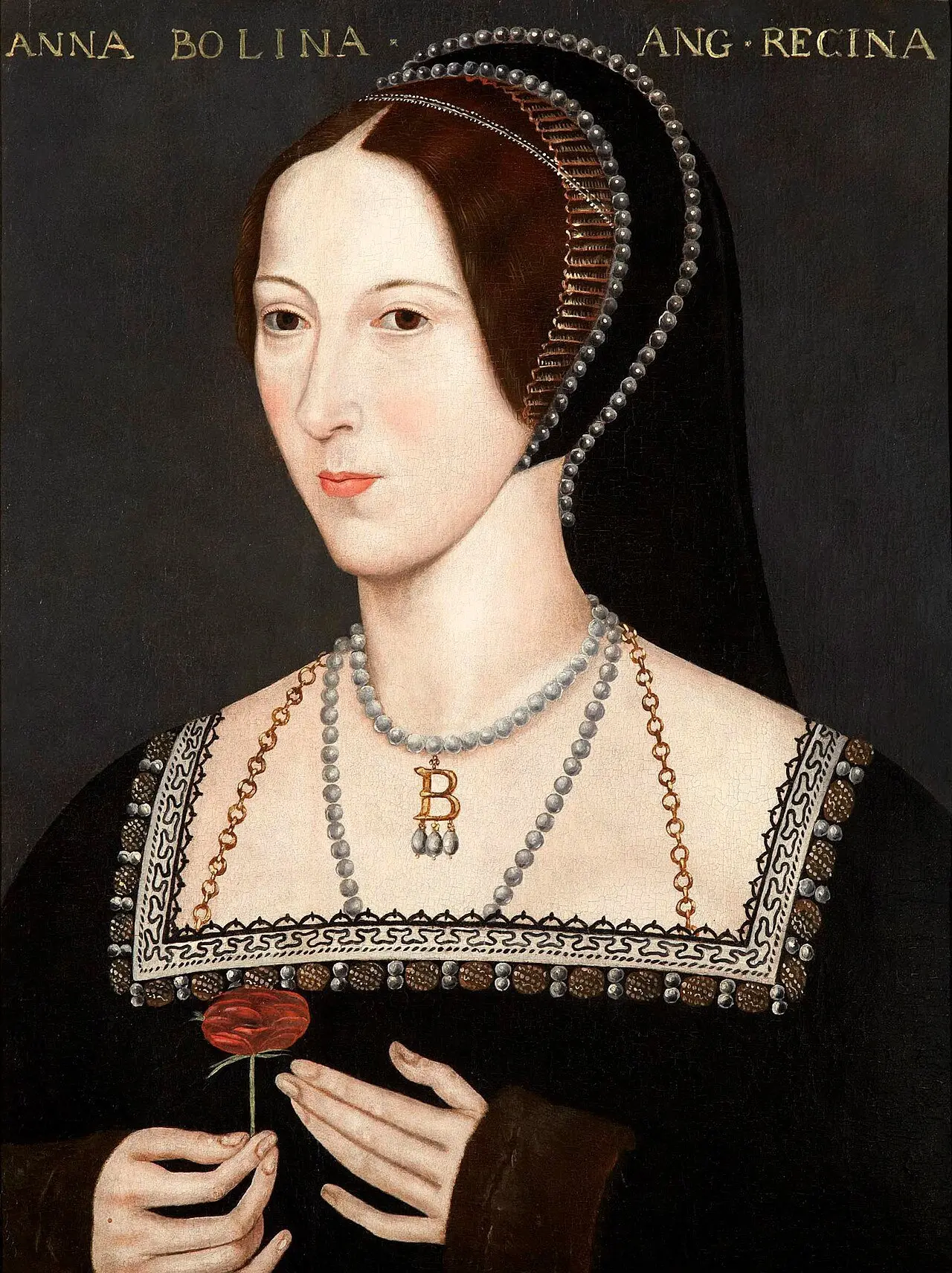
She walked onto Tower Green at eight in the morning and, by all accounts, smiled at the crowd.
Anne Boleyn had been Queen of England for barely three years. Her marriage to Henry VIII in 1533 had shaken a kingdom — the king's break with Rome began with his determination to wed her — and she had been crowned on June 1 of that year. She gave Henry the daughter he had not expected and perhaps never valued as she deserved: Elizabeth, just two years old when her mother's world collapsed.
It collapsed with stunning speed. Anne was arrested and imprisoned in the Tower of London on May 2, 1536. On May 15 she was tried for adultery, incest and high treason before a court her husband had hand-picked; historians now regard the charges as fabricated, a political operation arranged by the king and his minister Thomas Cromwell to clear the way for Henry's next marriage. The guilty verdict was a foregone conclusion. Four days later, on Friday, May 19, she was led to a scaffold on the green inside the Tower.
Henry granted her one mercy: instead of the executioner's axe, a swordsman was brought over from Calais in France. According to the Tudor chronicler Edward Hall, Anne addressed the gathered crowd with remarkable composure, saying she had come to die according to the law and had come "to accuse no man," asking all present to pray for the king. Assured that the swordsman was skilled and her end would be quick, she reportedly replied, "I have heard that the executioner is very good. And I have a little neck." She knelt, commended her soul to God, and died with a single stroke of the sword. That same afternoon her body was buried, unmarked, in the little Chapel of St. Peter ad Vincula within the Tower walls.
Anne's fall has fascinated the world for nearly five centuries precisely because of its injustice: a brilliant, powerful woman destroyed by the absolute power of the husband who had once broken a church to win her. But her true legacy outlived them both. That two-year-old daughter, Elizabeth, survived the wreckage of her mother's marriage and grew up to become Elizabeth I — one of England's greatest monarchs, whose long reign was shaped in part by the lesson of what had happened to her mother.
Every May 19, flowers still appear in the chapel where Anne lies. No one knows who sends them all. Nearly 500 years later, people still feel the need to say what her own king would not: that she deserved better.
Photo: English school (posthumous portrait, circa 1583), public domain (via Wikimedia Commons).