Twenty Boys, One Island, and the Birth of Scouting
On August 1, 1907, Robert Baden-Powell opened an experimental camp for about twenty boys on Brownsea Island — the week that launched the worldwide Scout movement.
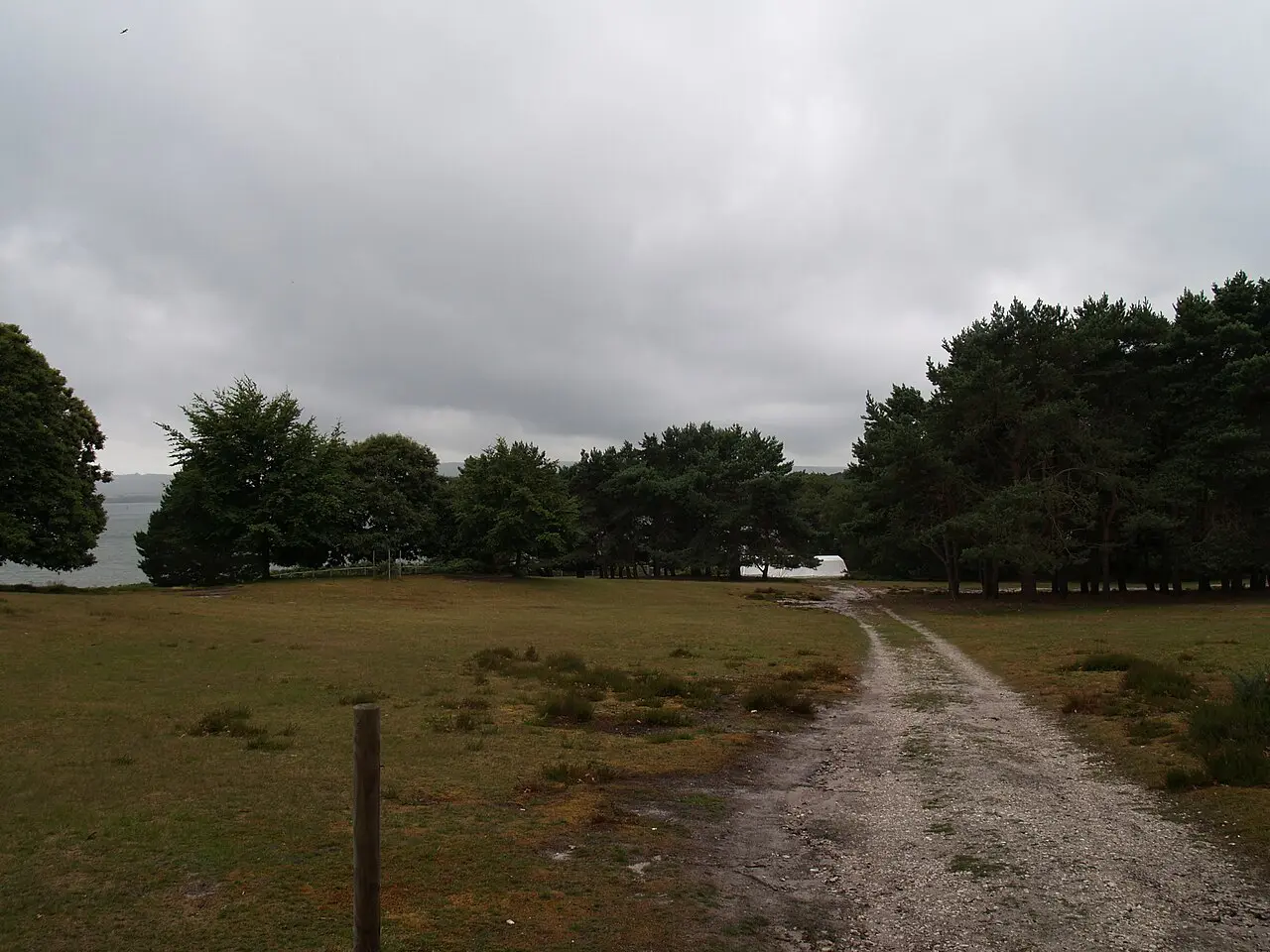
On the morning of August 1, 1907, a 50-year-old retired general stood on a small, windswept island in Poole Harbour, on England's south coast, and blew a blast on an African kudu horn. Around him gathered about twenty boys — and the largest youth movement in history was about to be born.
The general was Robert Baden-Powell, a national hero. A few years earlier he had held the South African town of Mafeking through a long, grinding siege, and the town's boys — organized into a cadet corps to carry messages — had impressed him deeply. His military training manual, "Aids to Scouting," had become an unlikely bestseller, not with soldiers but with schoolboys and their teachers.
Baden-Powell had an idea he wanted to test. He invited a deliberately mixed group of boys — some from comfortable London schools, others from working-class Boys' Brigade units in Poole, Bournemouth, and nearby towns — to spend a week camping on Brownsea Island. They would sleep in tents, cook over wood fires, learn to read maps and compasses, and practice observation, woodcraft, lifesaving, and chivalry. Most radically, the boys would organize themselves: divided into small patrols, each with an elected leader — a method he called the Patrol System.
The camp, which ran through the first week of August, was a triumph. The boys took to the outdoor life and the responsibility with an enthusiasm that surprised even Baden-Powell. He had meant only to create a training method that existing youth organizations like the Boys' Brigade and the YMCA might adopt. Instead, boys across Britain began forming their own patrols and troops on their own.
Five months later, in January 1908, the first installments of his handbook "Scouting for Boys" appeared in fortnightly parts. It was an instant bestseller — one of the best-selling books of all time. At the Crystal Palace rally of 1909, some 11,000 Scouts paraded in uniform; a year later a national census counted more than 100,000 British Scouts, and Baden-Powell retired from the army to devote himself to the movement full time.
What began with a horn blast on a Dorset island is now one of the world's great voluntary movements, with tens of millions of members around the globe. Every campfire, every merit badge, every left-handed Scout handshake traces back to that single August week — when twenty boys proved that adventure, responsibility, and the outdoors were all young people had ever wanted.
Photo: LordHarris, CC BY 2.5 (via Wikimedia Commons).