The Day a 25-Year-Old Inherited a Kingdom
On November 17, 1558, Queen Mary I died at St James's Palace, and her half-sister Elizabeth — once imprisoned, once declared illegitimate — became queen of England.
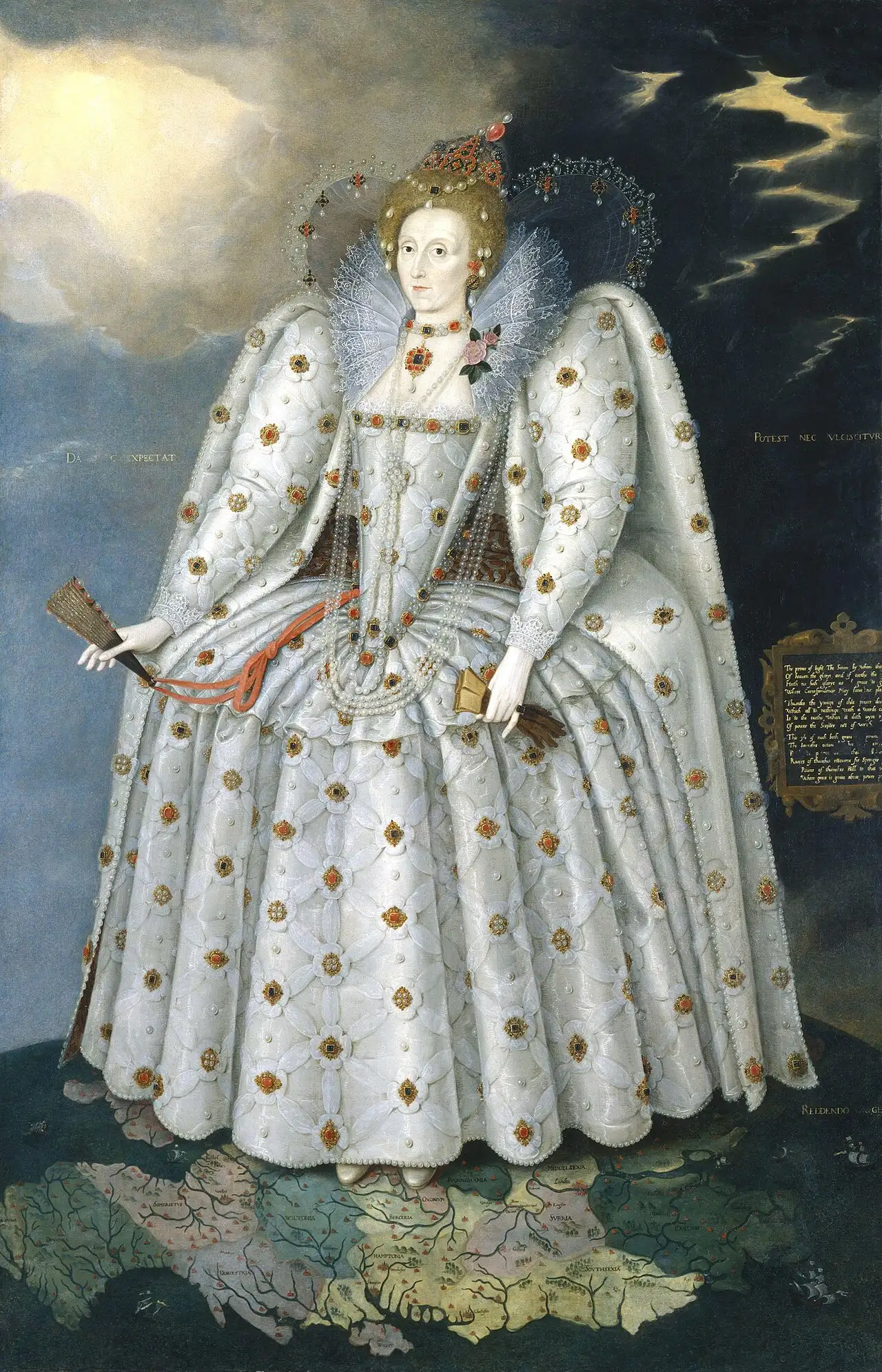
She had been declared a bastard at two, watched her mother executed, and spent nearly a year in the Tower on suspicion of treason. On the morning of November 17, 1558, the 25-year-old Elizabeth Tudor learned that the crown was finally hers.
Her half-sister Mary had been ill for months. Between five and six in the morning, Mary died at St James's Palace in London, aged 42, after a reign of just five years and four months. According to the diarist Henry Machyn, between eleven and noon that same day, Elizabeth was proclaimed queen in the city "with herraldes of armes and trumpetors," and that evening "all the chyrches in London dyd ryng, and at nyght dyd make bonefyres" for the new queen.
Elizabeth was waiting at Hatfield House, north of London, where Mary had kept her under house arrest in earlier years. Tradition holds that the messenger found her beneath an oak tree and that she answered the news with the words, "This is the Lord's doing, and it is marvellous in our eyes" — a story told for centuries, even if no one can quite prove she said it there.
She was the daughter of Henry VIII and Anne Boleyn, restored to the line of succession at ten after being declared illegitimate. Mary had formally recognized her as heir just eleven days before dying. Elizabeth's inheritance was a divided kingdom: Mary had returned England to Catholicism and burned some 300 Protestants as heretics, earning the name by which history would know her.
Elizabeth would rule for 45 years, the last monarch of the House of Tudor — and her reign would be remembered as an English golden age. One of her first acts was the Elizabethan Religious Settlement, making herself supreme governor of a church that was Protestant in doctrine but kept much Catholic ceremony, ending the religious whiplash of her father's and siblings' reigns. Under her, England defeated the Spanish Armada in 1588, sent ships and settlers across the Atlantic, and flourished in the age of Shakespeare, Marlowe, and Drake. The era still bears her name.
None of it was inevitable that November morning. Elizabeth inherited a treasury emptied by Mary's wars, a church torn between two faiths, and a court full of men waiting to see what a 25-year-old queen would do. She answered by ruling through counsel — and through delay. Her motto might have been survival: she had learned, in the Tower and at Hatfield, that a mistimed word could be fatal.
Crowned at Westminster Abbey on January 15, 1559, the young woman who had learned to survive by saying nothing began the longest and most consequential reign England had yet seen. She never married, never named an heir, and never again let the throne out of her sight.
Photo: Marcus Gheeraerts the Younger, c. 1592, public domain (via Wikimedia Commons).