The Hour That Started Thirty Years of War: St Albans, 1455
On May 22, 1455, Richard, Duke of York defeated King Henry VI's forces in a street battle at St Albans, firing the opening shot of the thirty-year Wars of the Roses.
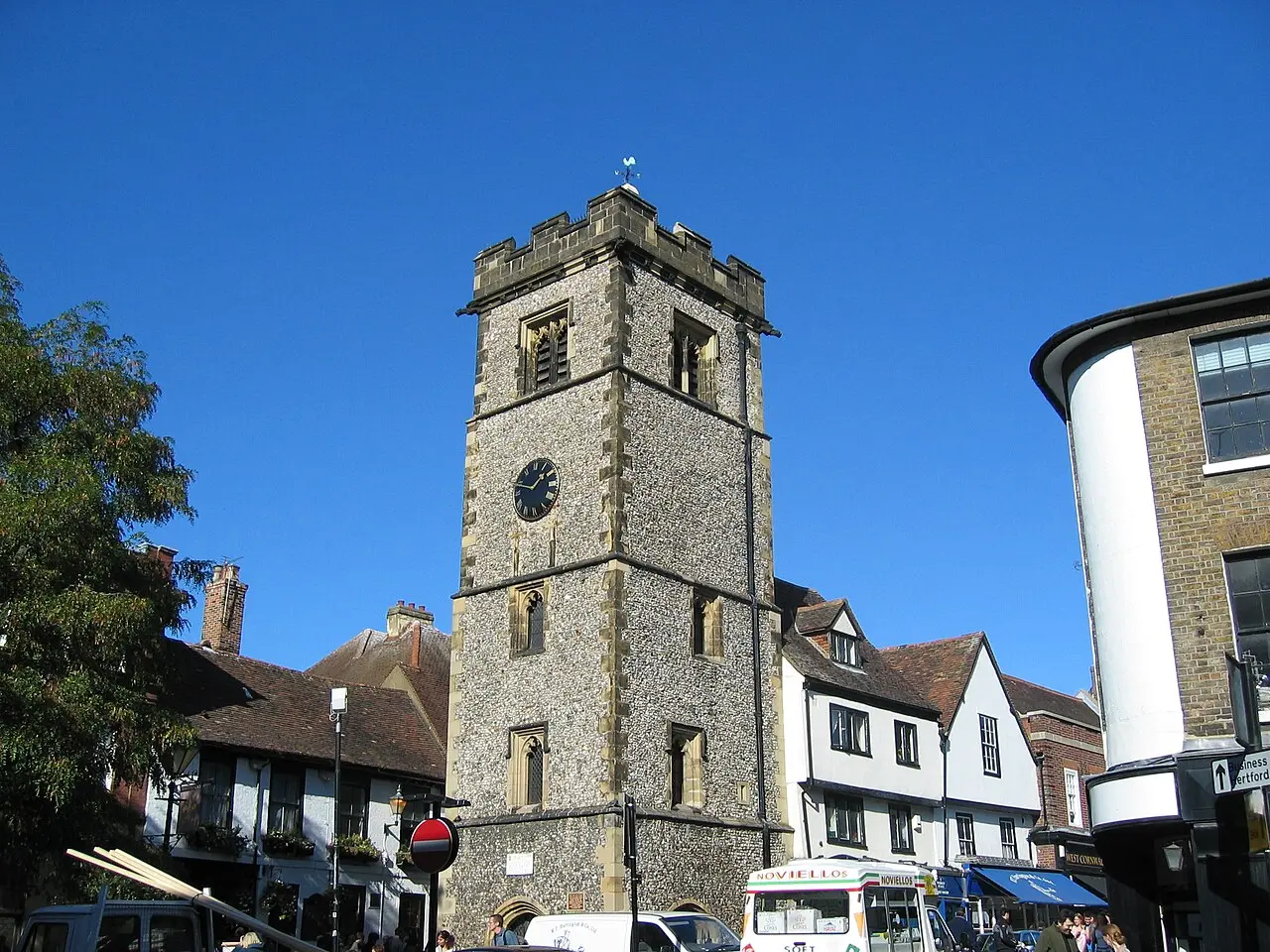
On the morning of May 22, 1455, the market town of St Albans lay in the path of two armies. About twenty-two miles north of London, its narrow streets were about to become the first battlefield of a conflict that would tear England apart for three decades.
The two sides were commanded by cousins. On one side stood Richard, Duke of York, the most powerful nobleman in England, with his Neville allies, the Earls of Salisbury and Warwick. On the other stood the army of King Henry VI, commanded in the king's name by Edmund Beaufort, Duke of Somerset. The quarrel's roots were tangled: Henry VI was a weak king who had spent seventeen months in 1453 and 1454 in a near-catatonic collapse, during which York had ruled as Lord Protector. When Henry recovered, York was dismissed and Somerset, York's great rival, returned to power. York marched south with an army to demand his place at court, and the king's council marched north to meet him.
What happened next broke the rules of medieval warfare. Negotiations were still underway when fighting erupted inside the town itself. York's men stormed the barricades the royal army had thrown up across the narrow streets, and when two frontal assaults failed, the young Earl of Warwick slipped his reserve force through unguarded back lanes and gardens, emerging in the Market Square behind the royal lines. Many of the king's men, still expecting a peaceful settlement like earlier standoffs, were not even wearing their helmets. The Lancastrian line collapsed into a rout.
The casualties were modest by later standards of the wars — perhaps a hundred of the king's men and some sixty Yorkists — but the names on the casualty roll were devastating. The Duke of Somerset, York's sworn enemy, was killed in the street fighting, along with the Earl of Northumberland and other senior Lancastrian lords. King Henry VI himself was captured, reportedly wounded slightly in the neck by an arrow, and taken prisoner by his own cousin.
In the aftermath, York was once again appointed Lord Protector, and Somerset's death removed the one man who had held the king's party together against him. But the peace did not hold. Within a few years England was at war with itself in earnest — a thirty-year dynastic struggle between the houses of Lancaster and York that would only end in 1485 with the victory of Henry Tudor at Bosworth. The name we give it now, the Wars of the Roses, was coined long afterward.
What makes St Albans remarkable is how small it was: a street skirmish lasting less than an hour, fought in a market town, that changed the course of a kingdom. Thirty years of civil war, the extinction of two royal dynasties, and the rise of the Tudors all trace back to a May morning when negotiation failed and the first shots were fired in the streets of St Albans.
Photo: Ghouston, CC0 1.0 (via Wikimedia Commons).