Murder in the Cathedral
On December 29, 1170, four knights of Henry II murdered Archbishop Thomas Becket inside Canterbury Cathedral — a killing that horrified Christendom.
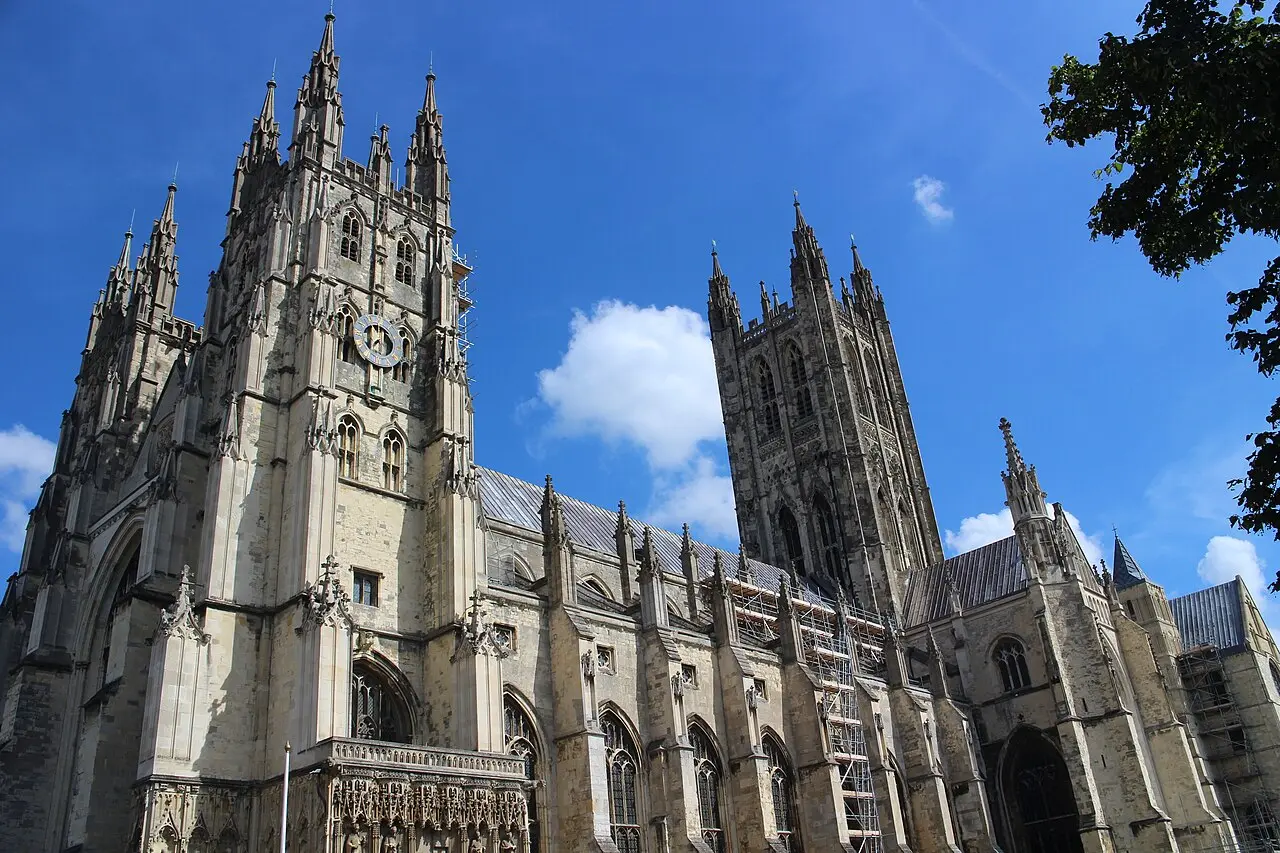
It was nearly evening, and the monks were gathering for vespers, when four armed men strode into Canterbury Cathedral. Near the altar steps they found the Archbishop of Canterbury — and cut him down where he stood. The date was December 29, 1170, and the murder would echo for centuries.
Thomas Becket had been King Henry II's closest friend. Henry made him chancellor — effectively prime minister — in 1155, and Becket served brilliantly. But when the king appointed him Archbishop of Canterbury in 1162, Henry expected a loyal servant who would help bring the Church to heel. Instead, Becket transformed overnight into the Church's fiercest defender, resisting every royal attempt to shrink clerical privilege. The friendship shattered into one of history's great feuds.
After years of quarreling, Becket fled to France in 1164. A fragile, pope-brokered reconciliation brought him home in 1170 — but he promptly excommunicated the bishops who had helped crown Henry's teenage son as junior king, a ceremony that was Canterbury's ancient prerogative. To Henry, in Normandy, it was a declaration of war.
According to tradition, the king exploded: "Will no one rid me of this turbulent priest?" Four of his knights — Reginald FitzUrse, Hugh de Morville, William de Tracy, and Richard le Breton — took the outburst as a command. They crossed the Channel, rode to Canterbury, and on December 29 confronted Becket, demanding he lift the excommunications. He refused to submit — and refused to flee, ordering the monks not to bar the cathedral doors.
What followed was swift and brutal. The knights struck the archbishop down inside his own cathedral, in the northwest transept where monks were chanting vespers.
Christendom was horrified. Within three years, Pope Alexander III canonized Becket as a saint and martyr. In 1174, Henry II himself walked barefoot to Becket's tomb to do public penance. The shrine became one of Europe's great pilgrimage destinations — the very goal of the travelers in Chaucer's Canterbury Tales.
The shrine did not survive the Reformation. In 1538, Henry VIII — who had his own quarrel with a pope — had Becket's shrine stripped of its jewels and the saint's name erased from the calendar; by some accounts his bones were burned and scattered. Yet the memory proved harder to kill than the man: the worn stone floor of the transept still shows the marks of pilgrims' knees, and a modern sculpture of four swords marks the spot where he fell.
Becket's murder drew a line in blood between crown and altar, and the question at its heart — who gets to judge whom — would outlive them all, echoing through every later struggle over the limits of power.
Photo: Canterbury Cathedral by Suicasmo, CC BY-SA 4.0 (via Wikimedia Commons).