The Vote That Ended 2,000 Years of Emperors
On December 29, 1911, delegates in Nanjing elected Sun Yat-sen provisional president of China, closing the book on more than two millennia of imperial rule.
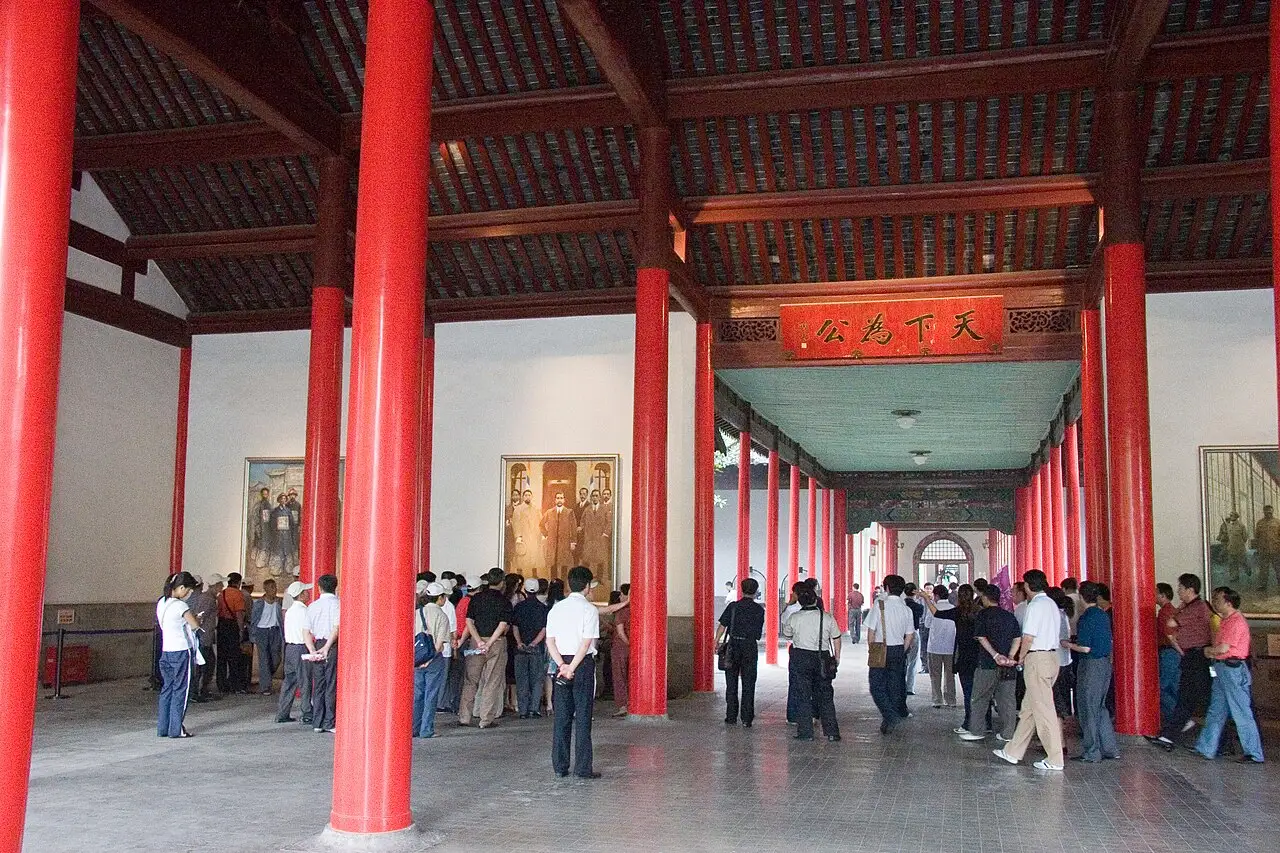
Sixteen votes to one. On December 29, 1911, in the city of Nanjing, representatives of seventeen Chinese provinces cast their ballots — and elected a man who had spent most of the previous sixteen years in exile. With that vote, more than two thousand years of emperors came to an end.
Sun Yat-sen had been plotting revolution since a failed uprising in 1895. For sixteen years he crisscrossed Europe, the United States, Canada, and Japan, raising money and merging fractious revolutionary groups into a single movement, the Tongmenghui. He became the revolution's indispensable fundraiser and its living symbol — even though he kept missing the actual fighting.
When the Wuchang Uprising erupted on October 10, 1911, Sun was on a fundraising tour in the United States. He learned that the revolution had begun from newspaper reports. He immediately cut short his trip, sailed for China, and arrived in Shanghai on Christmas Day.
Four days later, the revolutionary assembly in Nanjing elected him provisional president — sixteen votes for Sun, one for his fellow revolutionary Huang Xing, with Li Yuanhong as vice president. At the stroke of midnight on January 1, 1912, Sun was inaugurated, proclaimed the Republic of China, and reset the calendar to Year One of the republic.
The Qing dynasty held on for six more weeks. Then, on February 12, 1912, the child emperor Puyi abdicated, ending millennia of monarchical rule. Sun, who commanded no army, kept a hard bargain: he resigned the presidency in favor of Yuan Shikai, the general whose defection had forced the abdication, and the assembly elected Yuan on February 15.
Sun's government moved fast. It adopted a provisional constitution, created new ministries, and even changed what officials wore — the plain, high-collared Zhongshan suit, named for Sun himself (Sun Zhongshan in Mandarin), became the uniform of the new China. The republican calendar he decreed, counting 1912 as Year One, is still the official calendar of Taiwan today.
The republic Sun founded was fragile — warlords and civil war lay ahead — but the idea survived him. He is honored as the father of modern China on both sides of the Taiwan Strait, and his face still appears on currency and in public squares from Taipei to Beijing. All of it began with sixteen votes on a December day in Nanjing.
Photo: The Presidential Palace in Nanjing by KimonBerlin, CC BY-SA 2.0 (via Wikimedia Commons).