
Frankly, She Won: Gone with the Wind Takes the Pulitzer, 1937
On May 3, 1937, Margaret Mitchell's Civil War epic Gone with the Wind won the Pulitzer Prize — the only novel she ever published.
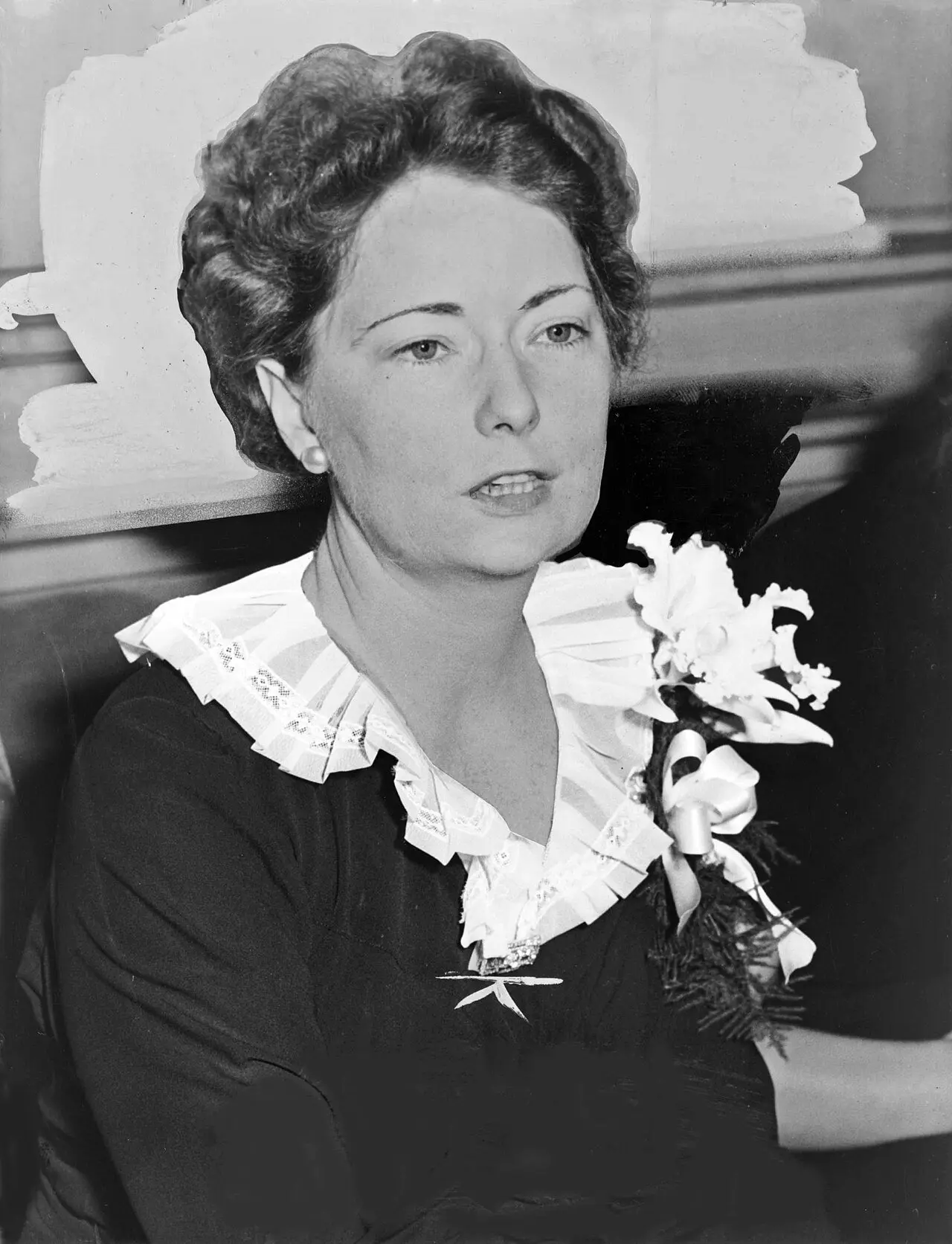
On May 3, 1937, the Pulitzer Prizes were announced, and one name stood out: Margaret Mitchell, an Atlanta newspaperwoman who had written exactly one novel. Gone with the Wind took the Pulitzer Prize in Novels, capping the most astonishing debut in American publishing history.
Mitchell had never planned to be a novelist. Born in Atlanta in 1900, she grew up on stories of the Civil War and Reconstruction told by relatives who had lived through them — tales of a city burned by Sherman's army in 1864 and a society remade by war. After a short career as a reporter for the Atlanta Journal, she stayed home recovering from an injury and began writing to pass the time. What emerged was a 1,000-page epic set during the Civil War and Reconstruction, following the headstrong Scarlett O'Hara through love, ruin, and survival on her family's Georgia plantation, Tara.
The book was published on June 30, 1936, by Macmillan, and America devoured it. By the end of 1936 it had sold more than a million copies — an extraordinary figure for the time. It had already won the National Book Award, and now the Pulitzer sealed its place as the defining American novel of its era.
Mitchell hated the spotlight. According to PBS's American Masters, she learned of the Pulitzer by phone — and then, with the press combing Atlanta for an interview, she slipped away to a gospel concert at a small Black church with her husband and friends. The press never found her. She spent the rest of her short life dodging fame rather than chasing a second novel; Gone with the Wind remains the only novel she published in her lifetime.
The story was far from over. In 1939, the film adaptation premiered with Clark Gable as Rhett Butler and Vivien Leigh as Scarlett, winning the Academy Award for Best Picture and becoming, adjusted for inflation, one of the highest-grossing films of all time. Lines like Scarlett's "As God is my witness, I'll never be hungry again" entered the language.
The book is not without controversy today. Its romantic view of the antebellum South and its portrayal of slavery and Reconstruction have drawn sustained criticism from scholars, and Mitchell herself never pretended it was a work of social justice. It is, undeniably, a work of its time — and a landmark of it.
Mitchell died in 1949 at age 48, just twelve years after her triumph. But her one novel endures, translated into dozens of languages and still in print nearly a century later.
Why it matters: Gone with the Wind shows what a single, fully-committed act of imagination can do. Mitchell wrote one book, won the Pulitzer, then walked away from fame — a reminder that the work, not the spotlight, is what lasts.
Photo: Al Aumuller / New York World-Telegram and the Sun, public domain (via Wikimedia Commons).