
A $5,000 Shopping List Becomes the World's Library
On April 24, 1800, President John Adams approved $5,000 for books for Congress — the founding of what would become the Library of Congress.
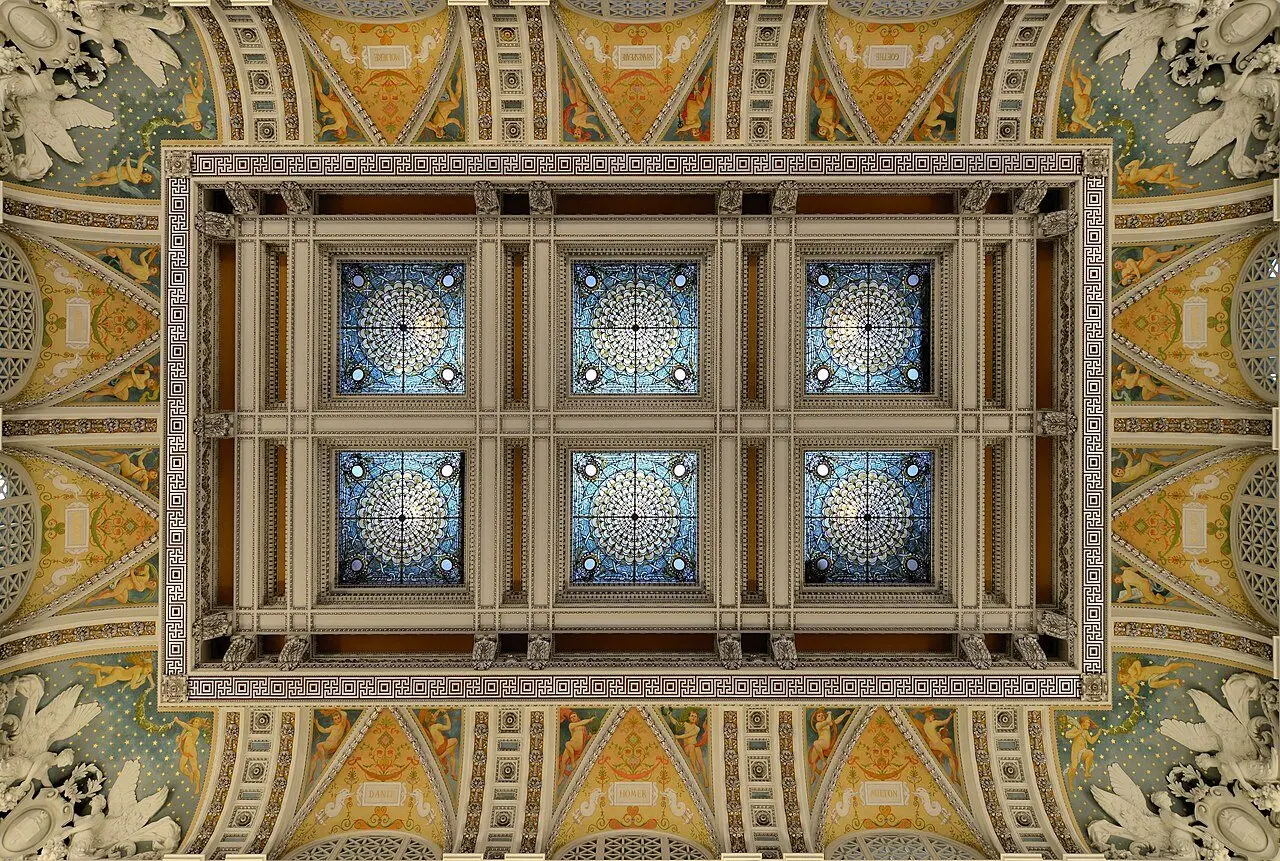
The largest library in the world began as a modest shopping list.
On April 24, 1800, President John Adams signed a bill appropriating $5,000 to purchase "such books as may be necessary for the use of Congress." The bill was mostly about something else — providing for the federal government's removal from Philadelphia to the new capital at Washington — but tucked inside it was the seed of the Library of Congress.
The first books, ordered from London, arrived in 1801 and were shelved in the U.S. Capitol, the library's first home. The first catalog, dated April 1802, listed just 964 volumes and nine maps. It was a fine start for a working collection.
Then came the war. During the War of 1812, British troops invaded Washington and burned the Capitol in August 1814 — taking the entire 3,000-volume library with it. Congress had barely finished debating whether the library was worth rebuilding when retired President Thomas Jefferson made an offer it could not refuse: his personal collection, the largest and finest in the country, was for sale. Congress approved the purchase of Jefferson's 6,487 volumes the following year, and the library recommenced — this time under a professional librarian, George Watterston, rather than House clerks.
Disaster struck again in 1851, when a fire destroyed about two-thirds of the library's 55,000 volumes, including two-thirds of Jefferson's collection. Congress responded quickly and generously, and within a few years most of the lost books had been replaced.
After the Civil War, the collection grew explosively, and by the 20th century the Library of Congress had become the de facto national library of the United States and one of the largest libraries on Earth. Today the Library of Congress — the nation's oldest federal cultural institution — fills three grand buildings in Washington: the Thomas Jefferson Building (opened 1897), with its soaring, frescoed Great Hall; the John Adams Building; and the James Madison Memorial Building. It holds more than 17 million books alongside millions of maps, manuscripts, photographs, films, recordings, prints, and drawings, and it has grown in part through copyright: since 1870, copies of works registered for U.S. copyright have been deposited with the Library, a river of the nation's creativity flowing into one collection.
It all traces back to April 24, 1800: five thousand dollars, a new capital, and the radical idea that a republic's lawmakers should have books.
Photo: Alvesgaspar, CC BY-SA 4.0 (via Wikimedia Commons).