Let There Be Light: Baseball's First Night Game, 1935
On May 24, 1935, the Cincinnati Reds beat the Philadelphia Phillies 2-1 at Crosley Field in the first major league night game, with President Roosevelt switching on the lights from the White House.
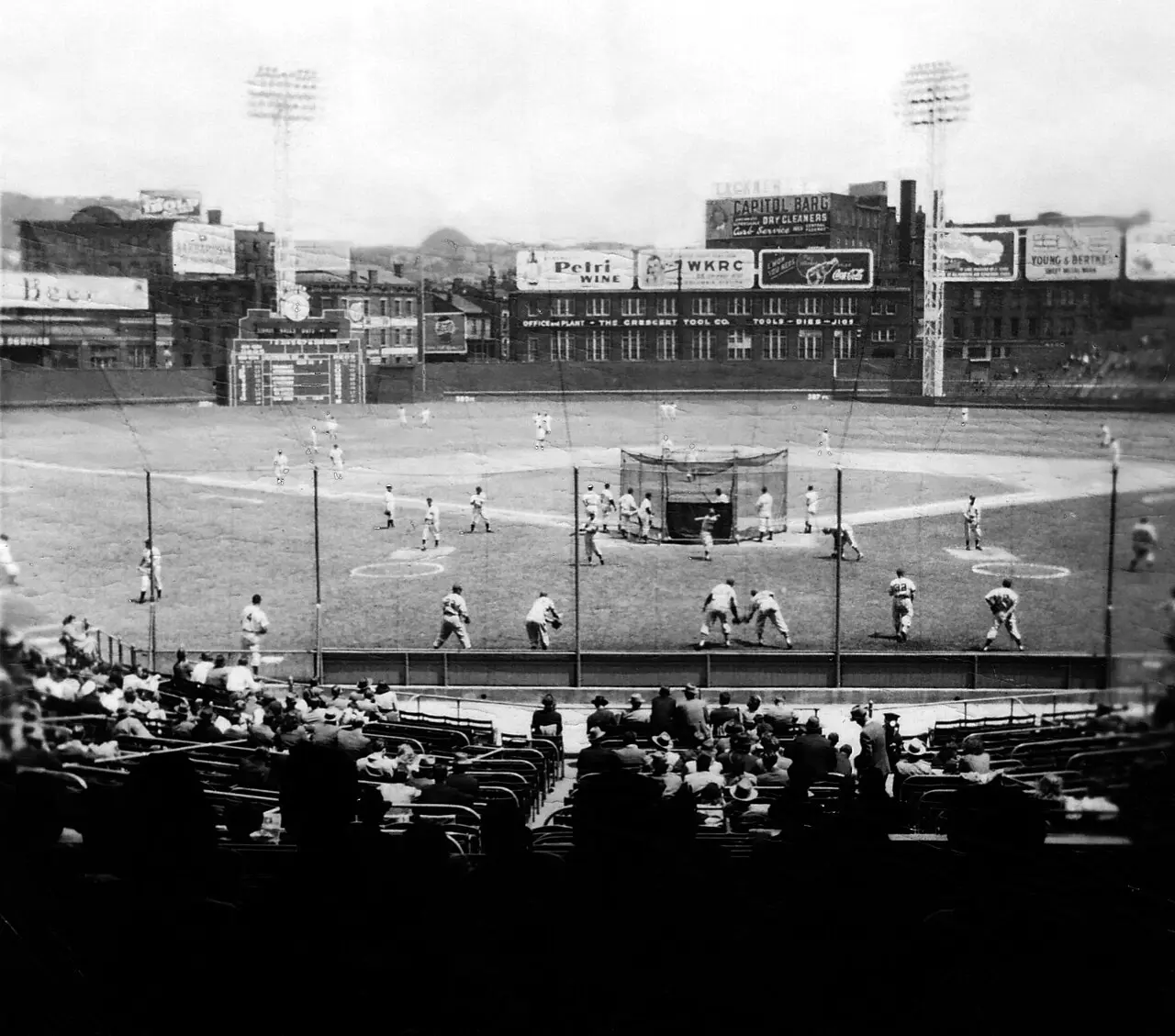
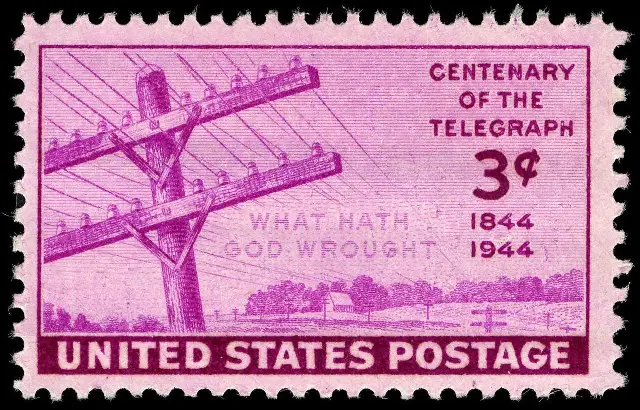
At 8:30 p.m. on Friday, May 24, 1935, President Franklin D. Roosevelt pressed a gold telegraph key in the White House. Some 500 miles away in Cincinnati, a lamp lit up on a table near first base at Crosley Field — and Reds president Larry MacPhail flipped the switch. Six hundred and thirty-two floodlights blazed on across eight steel stanchions, and 20,422 fans roared. Major league baseball had entered the night.
The man behind the experiment was MacPhail, the general manager of the nearly bankrupt Cincinnati Reds. Watching the Depression empty his ballpark — one recent game had drawn barely 2,000 fans — he had seen night games pack minor-league stands, and he was determined to bring the idea to the majors. Commissioner Kenesaw Mountain Landis scoffed that not in his lifetime or MacPhail's would anyone ever see a baseball game played at night in the majors. MacPhail took that personally, and with owner Powel Crosley Jr.'s backing, he talked the other owners into letting Cincinnati try night games in 1935.
The first had been scheduled for the night before, May 23, but rain pushed it to Friday. When the big moment came, the White House telegraph key sent its signal, MacPhail threw his switch, and the game itself turned out to be a gem: a pitchers' duel. Phillies starter Joe Bowman allowed just two runs over seven innings, but the Reds' Paul Derringer went the distance, scattering six hits and walking none in a 2–1 Cincinnati win. Lou Chiozza of the Phillies, leading off the game, earned a permanent footnote as the first batter in major league history to hit under the lights. National League president Ford Frick watched from the stands.
The skeptics were wrong about the lights — and about the fans. The Reds played a handful of night games that season, one against each National League club, and despite finishing a lousy 68–85, Cincinnati's paid attendance jumped 117 percent. Within a few years, nearly every major league club had installed lights. Only Chicago's Wrigley Field held out — its tradition of day baseball lasted 74 seasons, until August 1988.
Night baseball had already existed in the minors — a 1930 night game in Des Moines drew 12,000 fans when the club normally averaged 600 — but it took the majors five years to catch up. The evening of May 24, 1935, proved the doubters wrong in the most American way possible: the people came. Today, roughly two-thirds of major league games are played under the lights, and every one of them descends from the night a president flipped a switch in Washington and a ballpark in Cincinnati blazed to life.
Photo: Rob Lambert, CC BY-SA 2.0 (via Wikimedia Commons).