Pass Go: The Day Parker Brothers Dealt Out Monopoly
On November 5, 1935, Parker Brothers began marketing Monopoly, turning a Depression-era parlor game about Atlantic City real estate into the best-selling board game of all time.
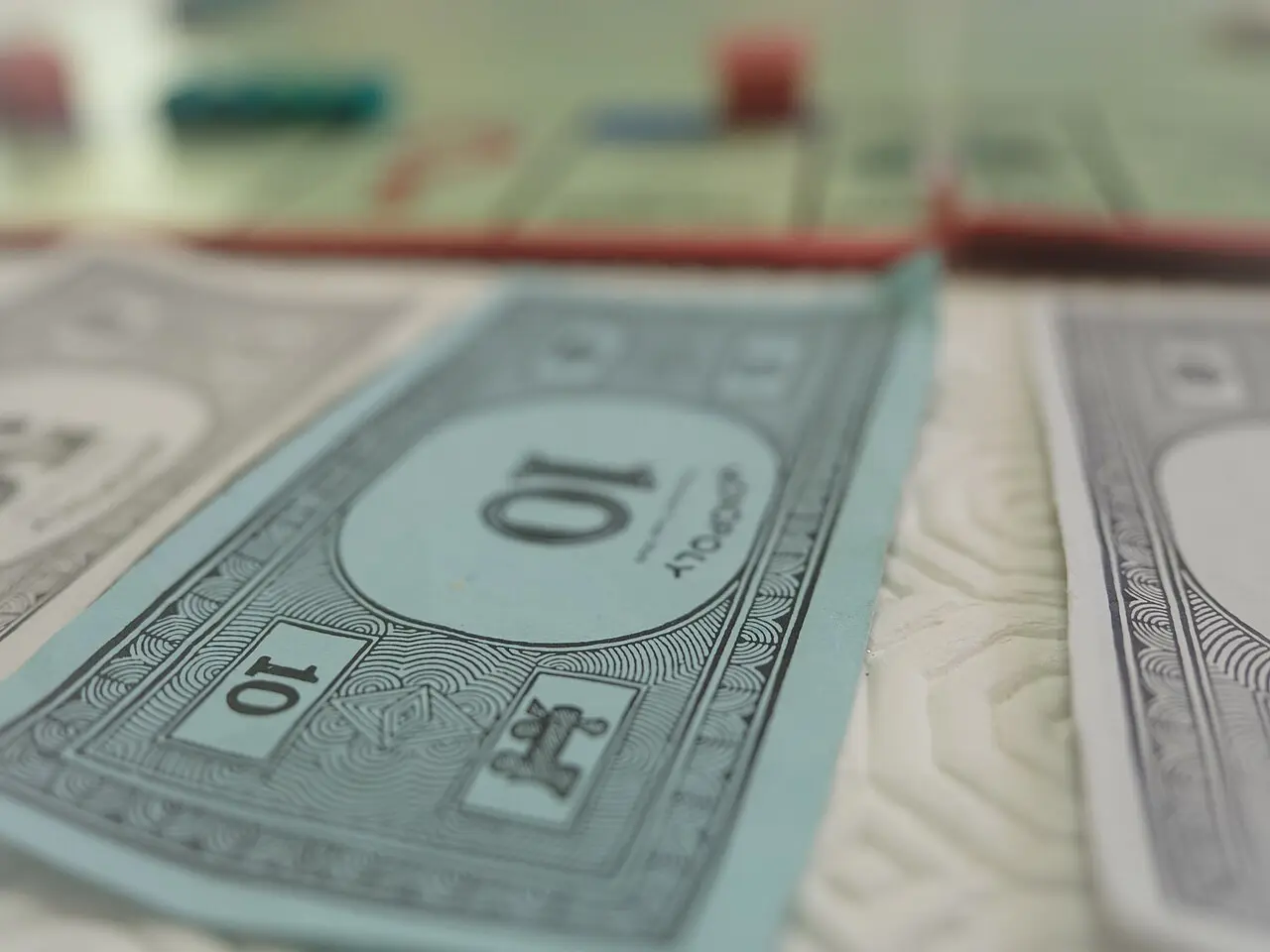
On November 5, 1935, the Parker Brothers game company began marketing a board game about getting rich in Atlantic City. It seemed an unlikely product for the depths of the Great Depression — a game where players bought imaginary railroads, built imaginary hotels, and bankrupted their imaginary friends. It became the best-selling board game in history. Its name was Monopoly.
The man Parker Brothers credited was Charles Darrow, an unemployed heater salesman from Philadelphia. During the Depression he had played a homemade property-trading game with friends, refined it onto oilcloth boards drawn by an artist, and started selling copies around town. When the game began flying off the shelves of a Philadelphia department store, Parker Brothers — which had initially rejected it as too long, too complicated, and too niche — changed its mind in a hurry.
The November 5 launch was perfectly timed. In an era of breadlines and bank failures, Monopoly offered something priceless: the fantasy of wealth. For the price of a cheap evening's entertainment, anyone could build an empire, charge rent, and pass "Go." The board's streets — Boardwalk, Park Place, Marvin Gardens — were real Atlantic City addresses, giving the fantasy a tantalizing tang of reality. Darrow's royalties made him a millionaire; he quit the heating trade for good.
But Darrow hadn't invented the game from nothing, and the full story is more interesting than the legend. Monopoly's true ancestor was The Landlord's Game, created and patented in 1904 by Elizabeth Magie, a progressive activist who designed it to demonstrate the evils of concentrated land ownership. Her game circulated for decades in homemade versions before Darrow ever saw one. When Parker Brothers learned Darrow wasn't the sole inventor, it quietly bought Magie's patent rights for $500 — and kept selling the Darrow story.
Monopoly's success spawned a century of spin-offs, from a 1941 edition secretly stuffed with escape maps for British POWs in Nazi camps to hundreds of licensed versions today. Cartoonist F. O. Alexander's clean board design and the now-iconic tokens — the top hat, the thimble, the little Scottie dog — became visual shorthand for capitalism itself. Parker Brothers began licensing the game for sale abroad in 1936, seeding a global empire of cardboard real estate. More than 275 million copies have been sold, with billions of little green houses. Not bad for a game about going broke in Atlantic City — launched on a November day when America needed, more than anything, to dream of being rich.
Photo: James Petts, CC BY-SA 2.0 (via Wikimedia Commons).