The Night America Thought Martians Were Invading
On October 30, 1938, Orson Welles's Halloween-eve radio play convinced thousands of listeners that a Martian invasion had really begun.
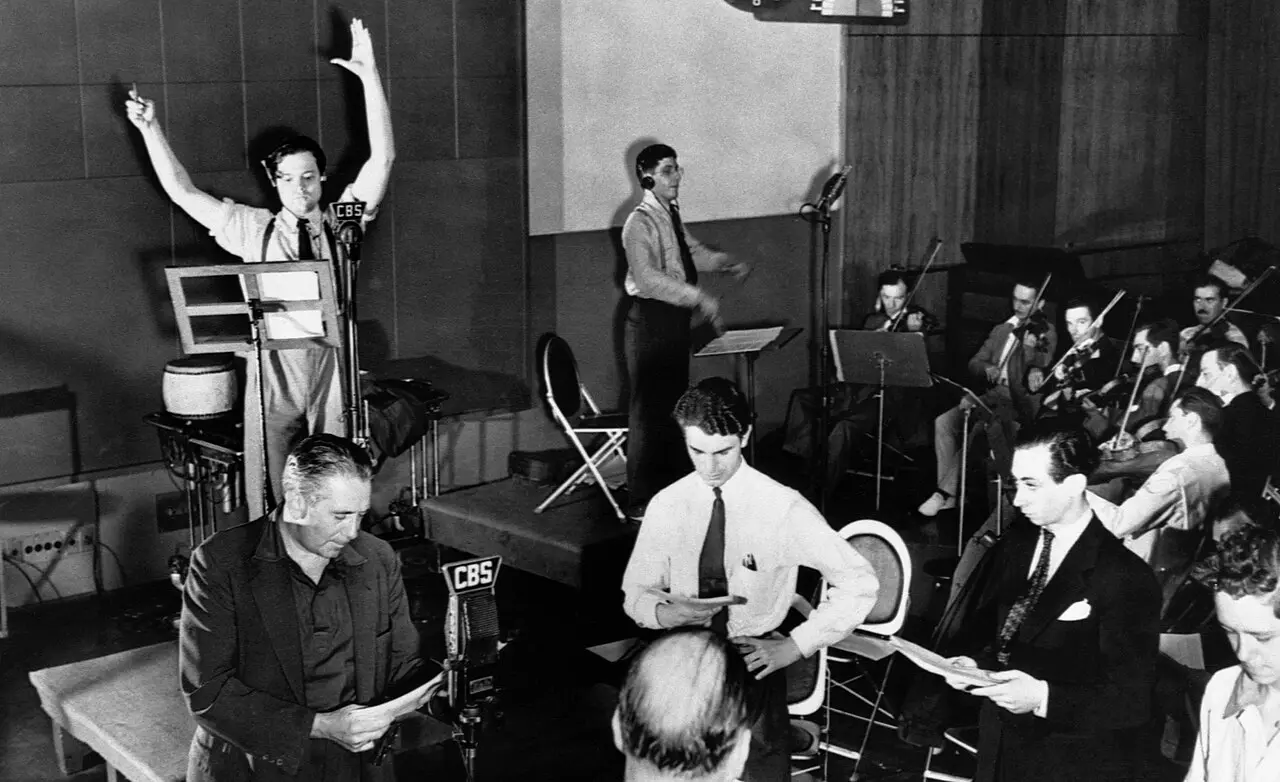
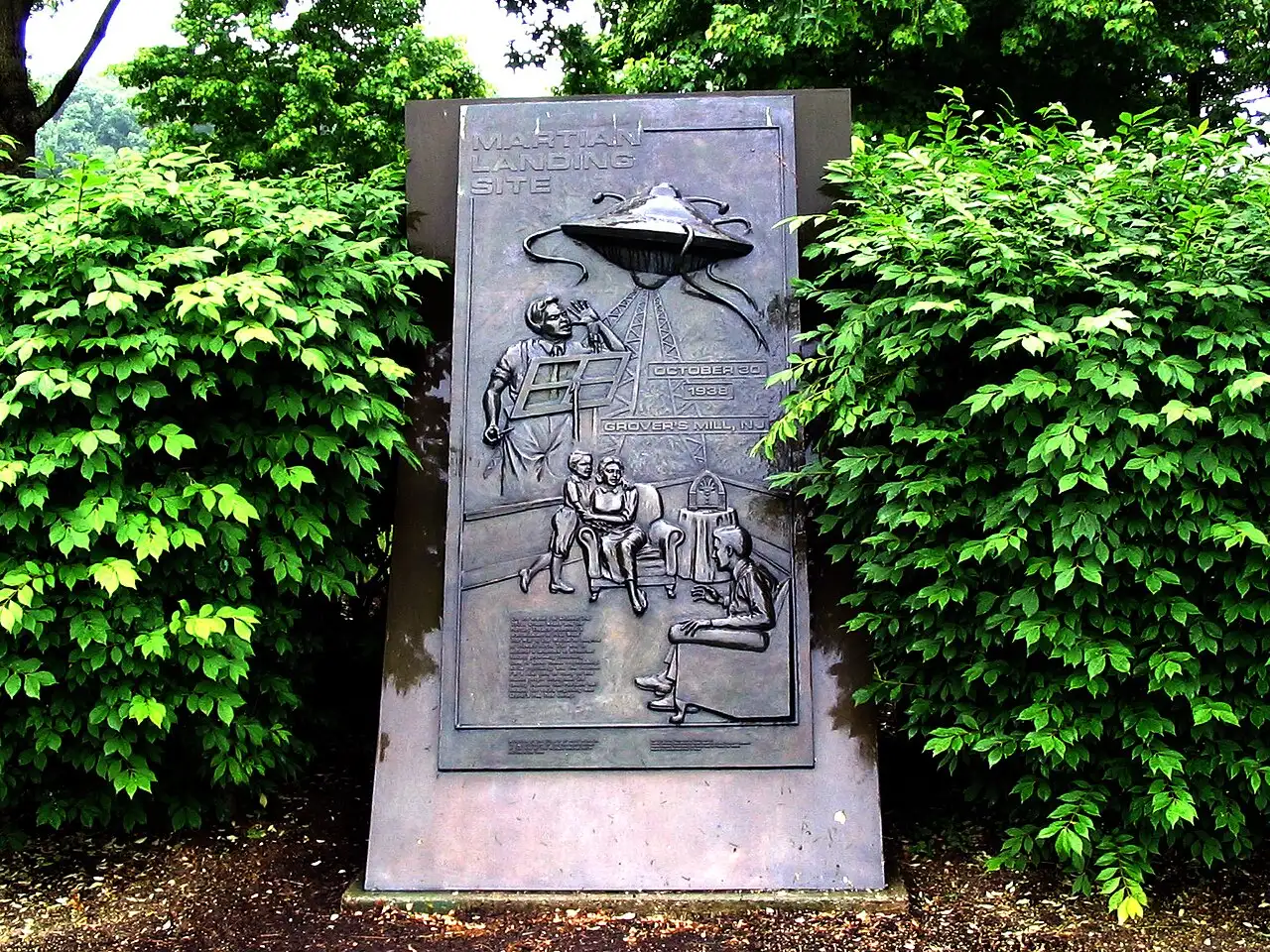
At 8 p.m. on October 30, 1938 — the night before Halloween — millions of Americans settled in to listen to the radio. What they heard on CBS sounded, at first, like an ordinary music program. Then the music was interrupted by an urgent news bulletin: a meteor had crashed on a farm near Grover's Mill, New Jersey.
The bulletins kept coming, more alarming each time. Reporters described strange cylinders, hideous creatures emerging from them, and machines that blasted heat rays and poison gas. Military forces were said to be decimated. The invaders were moving toward Newark and New York City. A reporter on the roof of a Manhattan broadcasting building described the end of the world in a trembling voice.
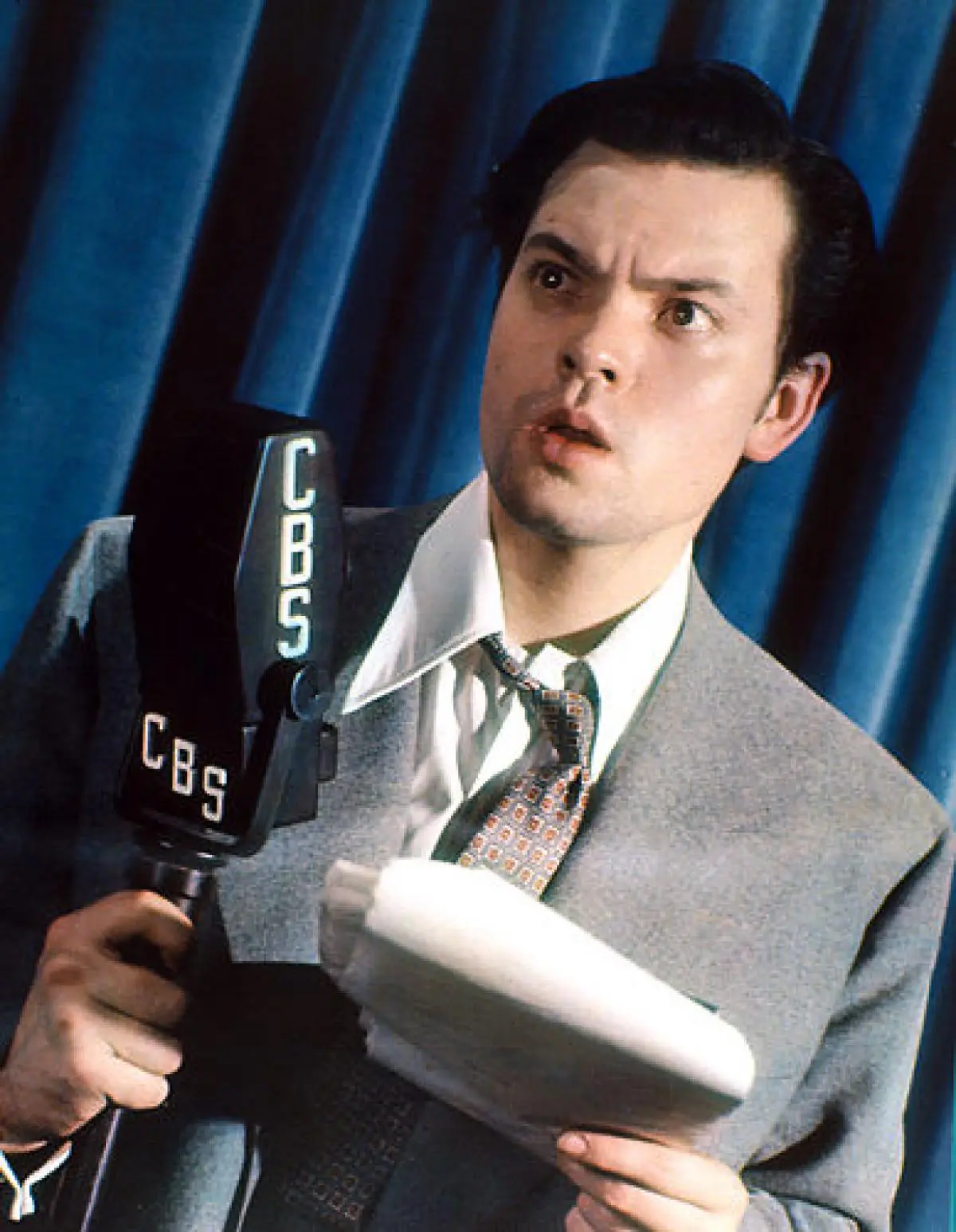
None of it was real. It was the Halloween episode of The Mercury Theatre on the Air, directed and narrated by 23-year-old Orson Welles — an adaptation of H. G. Wells's 1898 novel The War of the Worlds, written and performed to sound exactly like a live news broadcast.
Many listeners didn't realize that. Thousands of people, believing a Martian invasion was really underway, flooded newspaper offices, radio stations, and police switchboards with calls — asking how to flee their cities or protect their families from gas attacks. The next day's newspapers, led by the New York Times, carried headlines like "Radio Listeners in Panic, Taking War Drama as Fact."
How far the panic really spread is still debated. A Princeton study in 1940 claimed six million people heard the broadcast and 1.7 million believed it was real — but later scholars have questioned both numbers, and much of the frenzy may have been amplified by newspapers eager to embarrass a rival medium. What is certain is that the broadcast frightened real people that night, and that the fear was real to them.
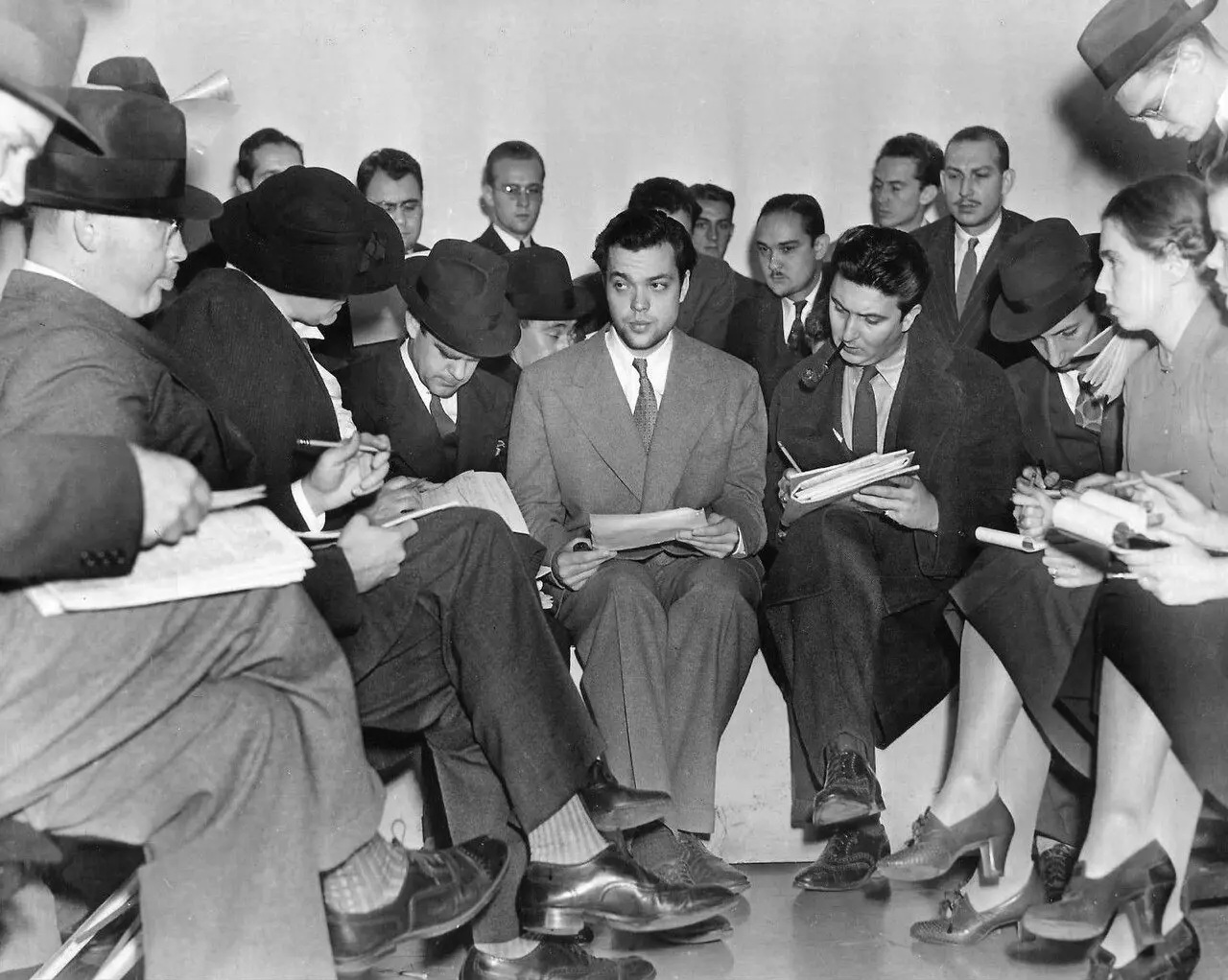
The morning after, a shaken-looking Welles faced reporters at a hastily called news conference and expressed regret for the confusion. The Federal Communications Commission investigated but took no punitive action. The 23-year-old "trickster" had become famous overnight — and Hollywood soon came calling.
The night the Martians "invaded" remains a landmark lesson in the power of media: that the most convincing story ever told is the one told in the voice of the news. It is still taught, studied, and argued about today — a reminder that what we believe depends not only on what we hear, but on how we hear it.
Photo: The Express, public domain (via Wikimedia Commons).
More images (via Wikimedia Commons, public domain): Orson Welles and cast rehearsing at CBS in 1938 (Acme Telephoto); Orson Welles at the CBS microphone, 1938 (Harry Warnecke / Lee Jensen); the landing-site monument at Grover's Mill, New Jersey (ZeWrestler).