'Stop! The Beast!': The Day Nessie Made Headlines, 1933
On May 2, 1933, the Inverness Courier printed a hotel manager's 'monster' sighting — and the Loch Ness legend went global.
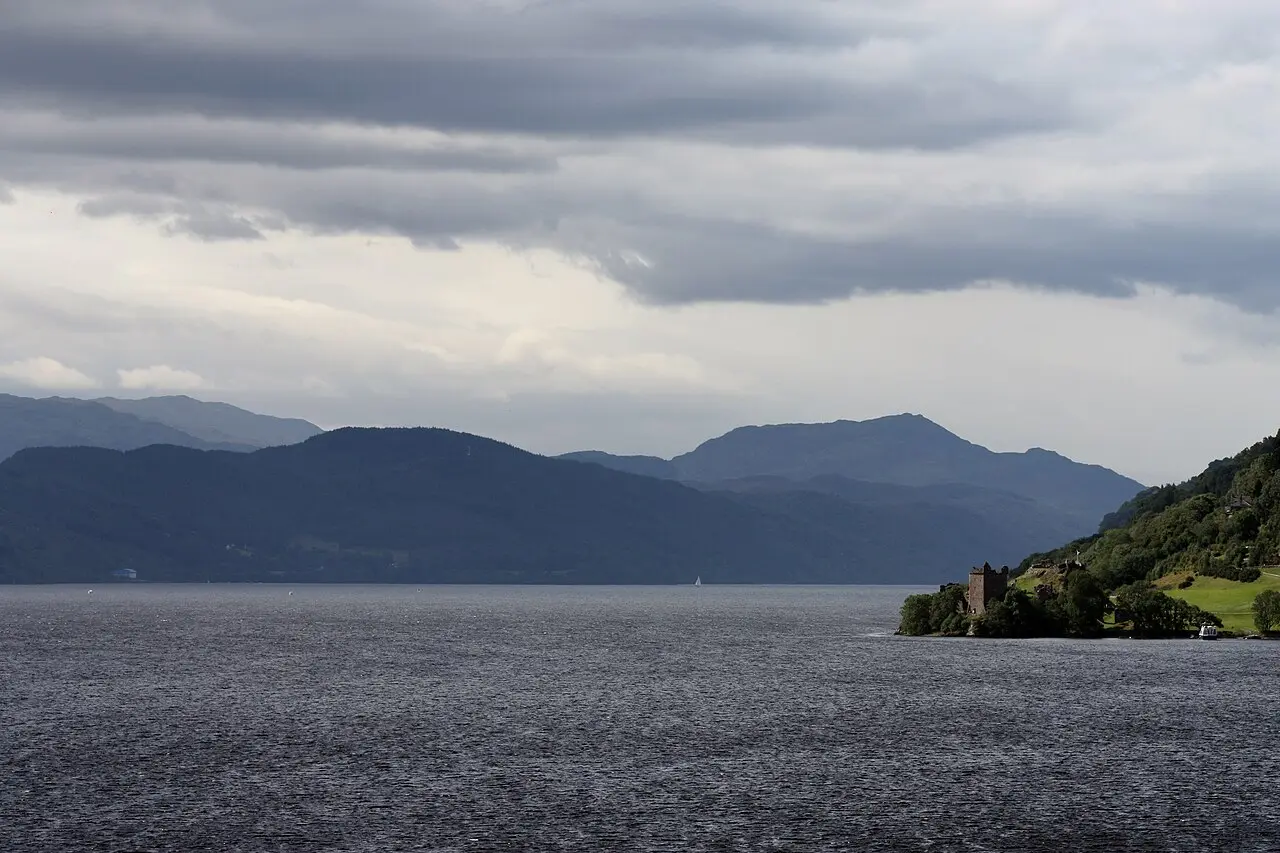
In mid-April 1933, Aldie Mackay — the manageress of the Drumnadrochit Hotel — was driving home along the newly built road on the north shore of Loch Ness with her husband John when she saw something impossible in the water. A huge creature, she said, with a body like a whale, was rolling and plunging in the loch, churning the water like a simmering cauldron and sending out waves big enough, she thought, to have been caused by a passing steamer. She reportedly cried out: "Stop! The Beast!"
Mackay told her story to Alex Campbell, the loch's water bailiff, who was also a part-time journalist. His report appeared in the Inverness Courier on May 2, 1933, under the headline "Strange Spectacle in Loch Ness" — and in that article, the word "monster" was applied to the creature for the first time. Locals had whispered for generations that the loch was home to something fearsome; now the whole world was listening.
Campbell noted in his article that "Loch Ness has for generations been credited with being the home of a fearsome looking monster." Decades later, in the late 1980s, a naturalist interviewed Aldie Mackay, and she admitted she had known about that oral tradition long before her famous drive — a reminder that the legend may be older than any single sighting.
The timing was perfect for a sensation. The new road gave motorists their first clear views of the loch's dark waters, and sightings began to multiply. London newspapers sent reporters north. A circus reportedly offered a £20,000 reward for the creature's capture. That November, a motorist named Hugh Gray snapped the first photograph of the supposed monster, and the following year the famous "Surgeon's Photograph" — revealed decades later to be a hoax built around a toy submarine — made Nessie a global icon.
No one has ever proven what, if anything, lives in the loch. Scientists have proposed everything from giant eels to floating logs to wishful thinking, and sonar sweeps have found nothing conclusive. But more than a thousand sightings later, the legend endures — and Loch Ness draws visitors from every corner of the globe, all hoping to be the next to shout "Stop! The Beast!"
Why it matters: Nessie is proof that a good story can outlive every attempt to disprove it. One newspaper article in 1933 turned a ripple in a Scottish lake into the most famous monster on Earth — and a reminder that some mysteries are more fun unsolved.
Photo: Eusebius, CC BY 3.0 (via Wikimedia Commons). (Loch Ness and Urquhart Castle today; the monster, as usual, did not pose.)