Somewhere Over the Rainbow: Oz Opens Nationwide
On August 25, 1939, The Wizard of Oz opened in theaters across America, ten days after its Hollywood premiere — and a Kansas farm girl stepped into immortality.
Hollywood had seen premieres before, but few like this one. On August 15, 1939, searchlights swept the sky over Grauman's Chinese Theatre, and inside, MGM unveiled its most ambitious gamble: a full-Technicolor musical fantasy called The Wizard of Oz. Ten days later, on August 25, the film opened in theaters across the country — and the yellow brick road stretched from coast to coast.
The movie had been a mountain to make. MGM had bought the rights to L. Frank Baum's beloved 1900 children's book and poured its full magic factory into the production: elaborate sets, hundreds of costumes, groundbreaking special effects, and a cast led by a teenage vaudeville veteran named Judy Garland as Dorothy Gale. The studio's songwriters gave her a ballad to sing on a painted Kansas farm set — "Over the Rainbow" — a song so quiet and wistful that some executives wanted it cut from the picture. It stayed. It would win the Academy Award for Best Original Song.
Audiences in August 1939 met a story America already half-knew: Dorothy, swept from gray Kansas to the Technicolor Land of Oz, joining a Scarecrow, a Tin Man, and a Cowardly Lion on a journey to see the Wizard, pursued by the cackling Wicked Witch of the West. But nothing on screen had ever looked quite like it. The film's famous transition — from sepia-toned Kansas to Oz in blazing color — was a technical marvel, and it arrived at a moment when the country, sliding toward another world war, was hungry for wonder.
Audiences turned out, critics applauded, and the film earned Academy Award nominations including Best Picture — it lost to Gone with the Wind — while Garland, who had carried the picture as a teenager, became one of the defining stars of her generation. But the movie's true destiny lay in the future: beginning with its first television broadcast in 1956, The Wizard of Oz became an annual ritual for generations of children, and the Library of Congress has called it the most-watched motion picture in film history.
What endures is the alchemy of it — the idea that home, courage, heart, and wisdom were there all along, and that a girl from Kansas could click her heels and find her way back. On August 25, 1939, America walked into the theater in black and white and came out seeing in color.
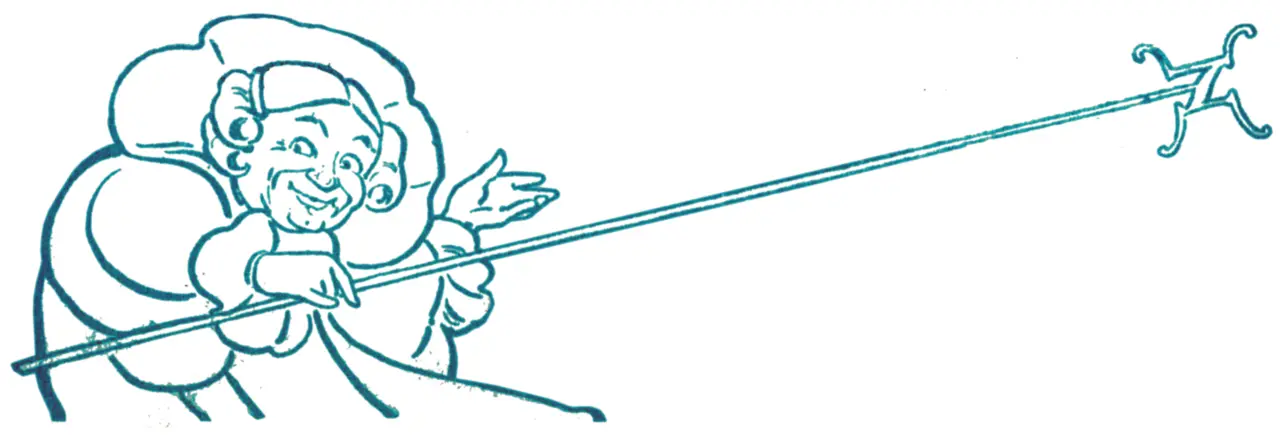
Illustration: W. W. Denslow's 1900 drawing of the Good Witch of the North from L. Frank Baum's novel — an illustration of the original book, not the 1939 film — public domain (via Wikimedia Commons).