The Army Medal of Honor Is Born
On July 12, 1862, Abraham Lincoln signed the bill creating the Army Medal of Honor — America's highest award for battlefield valor.
In the summer of 1862, with the Civil War raging into its second bloody year, America had no way to honor its bravest soldiers. George Washington had created a Badge of Military Merit during the Revolution, but it had fallen into disuse. There was no medal for valor — for any soldier, of any rank. On July 12, 1862, Abraham Lincoln changed that with his signature.
The idea had been floating around Washington for months. Iowa Senator James W. Grimes first pushed a medal for the Navy — Lincoln signed that version on December 21, 1861. Then Massachusetts Senator Henry Wilson introduced a parallel bill for the Army, authorizing the president to have two thousand medals of honor prepared with suitable emblematic devices. On July 12, 1862, Lincoln signed it into law.
The original award was narrow: it could go only to noncommissioned officers and privates — such noncommissioned officers and privates as shall most distinguish themselves by their gallantry in action, and other soldier-like qualities. Officers became eligible in 1863, and the medal became a permanent decoration. It is presented by the president in the name of Congress — which is why people sometimes mistakenly call it the Congressional Medal of Honor, a name recipients themselves discourage. They also prefer to be called recipients, not winners.
The first six men to receive the Army medal earned it the hard way: they were Union volunteers from the Andrews Raid of 1862, who stole a Confederate locomotive in Georgia and tore up railroad tracks and bridges between Chattanooga and Atlanta before being captured. In those early years the medal was the nation's only military decoration, and standards were looser — at one point, hundreds were issued to an entire regiment simply for reenlisting. A 1916 review board revoked more than 900 of them.
Over time, the medal became what it is today: the highest American military award, reserved for acts of valor so far above the call of duty that most are recognized only after the recipient's death. Dr. Mary Edwards Walker, a Civil War surgeon, remains the only woman to receive it. More than 3,500 have been awarded in all. Before 1905, a recipient might receive it by mail; Theodore Roosevelt's executive order that year required a formal ceremony instead.
Why it matters: nations reveal what they value by what they choose to honor. With a few strokes of a pen in the middle of a war for the country's soul, Lincoln declared that America would reserve its highest praise not for rank or victory, but for courage — the ordinary soldier who, in the worst moment, does the extraordinary thing.
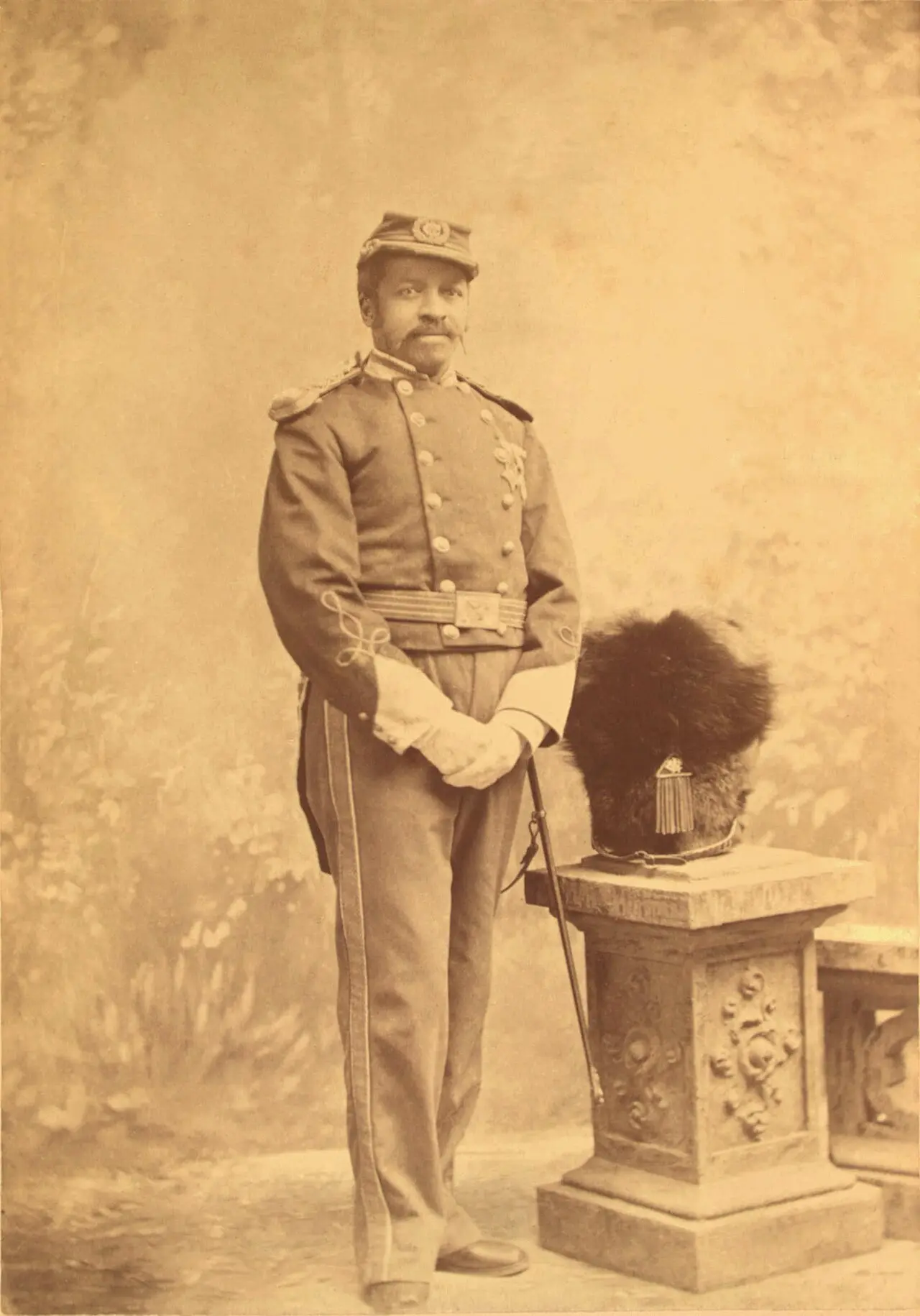
Photo: unidentified photographer; restoration by Adam Cuerden; via Wikimedia Commons, public domain.