
The First Decoration Day: How Memorial Day Began
On May 30, 1868, Americans gathered at Arlington for the first national Decoration Day, strewing flowers on Civil War graves — the birth of Memorial Day.
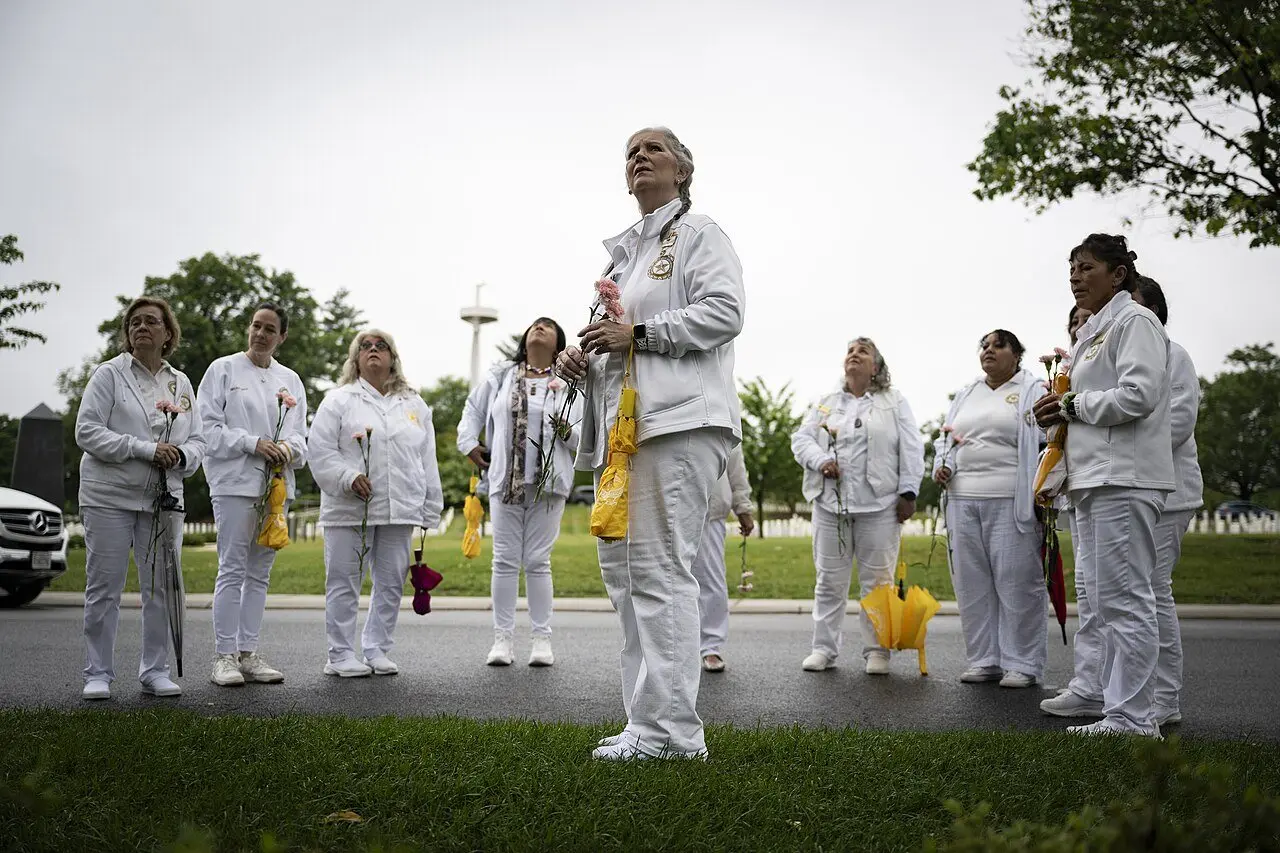
On May 30, 1868, about 5,000 people gathered at Arlington National Cemetery carrying armfuls of spring flowers. They had come for the first national Decoration Day — the solemn observance we now call Memorial Day.
The Civil War had ended just three years earlier, leaving a grieving nation and countless graves. Communities across the country had already begun their own local days of decorating soldiers' graves — in places like Waterloo, New York, and Charleston, South Carolina, where formerly enslaved people organized one of the earliest commemorations in 1865. But no one had united these scattered ceremonies into a single national day.
That changed when Major General John A. Logan, commander-in-chief of the Grand Army of the Republic — an organization of Union veterans — issued General Order No. 11 on May 5, 1868. He designated May 30 "for the purpose of strewing with flowers or otherwise decorating the graves of comrades who died in defense of their country during the late rebellion." In his order, Logan wrote that no "ravages of time" should let future generations forget "the cost of a free and undivided republic." The idea of an annual flower-decorating day is credited to Mary Ann Williams of Columbus, Georgia, whose Ladies Memorial Association inspired the national call. Logan, a former Union general, would later run for vice president of the United States. The date was chosen in part because spring flowers would be blooming everywhere.
The response was overwhelming. That first year, 183 cemeteries in 27 states held Decoration Day observances. At Arlington, the ceremony was led by General Ulysses S. Grant, and in a gesture that still moves people today, children from local orphanages walked through the cemetery placing flowers on the graves of Union and Confederate soldiers alike.
The tradition spread quickly: New York became the first state to recognize it officially in 1873, it became a federal holiday in 1888, and by 1890 every northern state had adopted it. After the world wars, the day broadened to honor Americans who died in all wars, not just the Civil War. The name gradually shifted from Decoration Day to Memorial Day, and in 1968 Congress moved the observance to the last Monday in May, creating the three-day weekend we know today.
Why it matters: Memorial Day began not as a holiday but as an act of love — ordinary people bringing flowers to graves so the dead would not be forgotten. Behind every barbecue and parade this spring, that quiet purpose still endures.
Photo: Arlington National Cemetery, public domain (via Wikimedia Commons).