Forever Free: Lincoln's Emancipation Proclamation Takes Effect
On January 1, 1863, Abraham Lincoln's Emancipation Proclamation went into effect, declaring that all enslaved people in the rebelling states "shall be then, thenceforward, and forever free."
New Year's Day of 1863 dawned bright and crisp over Washington, but Abraham Lincoln had no time for the holiday. Crowds of well-wishers were waiting at the White House for the traditional reception, and on the president's desk sat the most consequential document of his life — one he had still not signed.
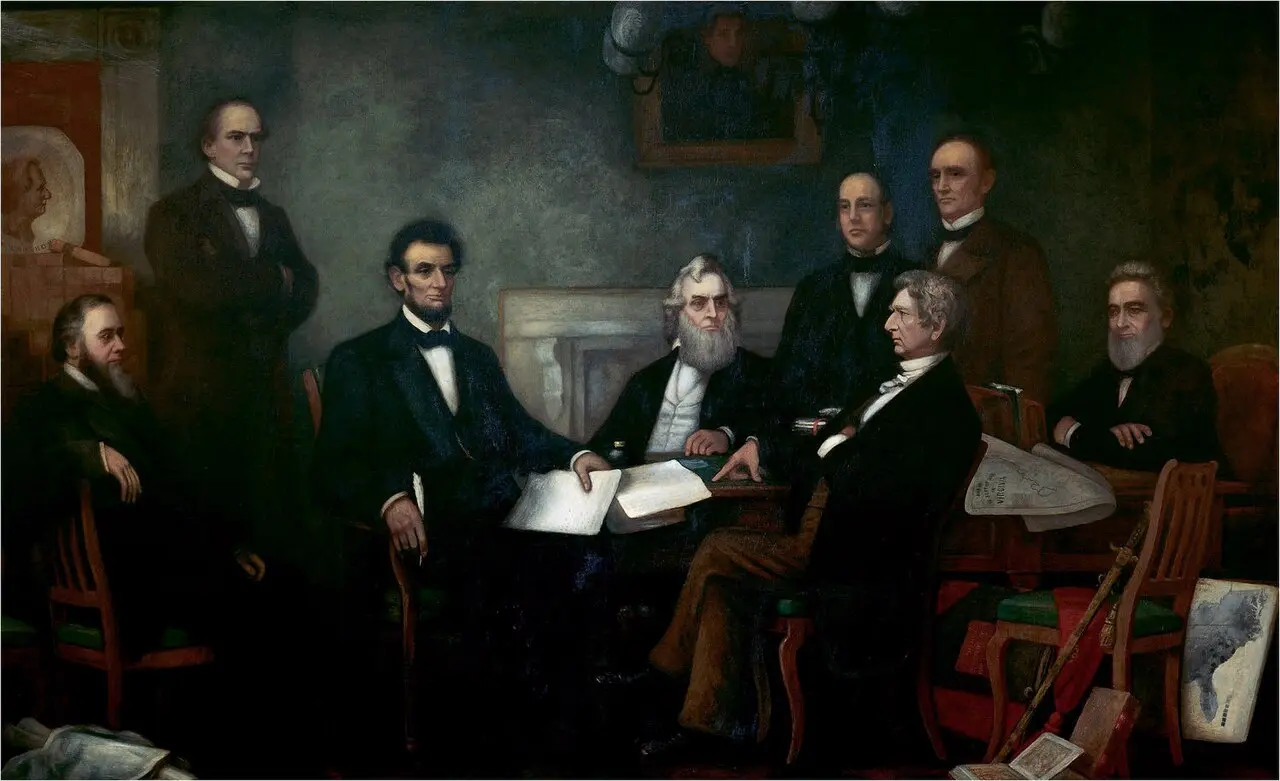
The Emancipation Proclamation had been a long time coming. Lincoln had shown a draft to his cabinet the previous summer, but his advisers told him to wait for a Union battlefield victory, lest the move look like desperation. The bloody draw at Antietam on September 17, 1862, gave him his moment, and on September 22 he issued the preliminary proclamation: any state still in rebellion on January 1 would see its enslaved people declared free. The South got one hundred days to change course. None did.
So on the first morning of 1863, the document came back to Lincoln's desk for its final signature. Secretary of State William H. Seward brought it to the White House at 10:45 — and Lincoln spotted a mistake in the closing line. It read that he had "set my name" to the document, when his usual form in proclamations was to "set my hand." He asked Seward to make the correction, and only then did he sign. His hand was so worn from three hours of New Year's handshaking that the signature came out trembling, but the president was satisfied: "I never, in my life, felt more certain that I was doing right, than I do in signing this paper," he told his cabinet.
The proclamation did not free every enslaved person in America. By its own terms it applied only to states and parts of states in rebellion — it left the loyal border states of Delaware, Kentucky, Maryland, and Missouri untouched, and it could only be enforced where Union armies could reach. But its reach was enormous all the same. It turned the Civil War from a fight to preserve the Union into a war to end slavery, authorized the enlistment of Black soldiers, and made it politically impossible for Britain or France to side with the Confederacy.
Its power ran on something deeper than law. For millions of enslaved people, the words "thenceforward, and forever free" became a promise to be claimed wherever the Union army appeared — and by the tens of thousands, they walked toward that army. The proclamation's legal promise was fulfilled two years later by the Thirteenth Amendment, ratified in December 1865, which abolished slavery entirely.
Photo: Francis Bicknell Carpenter, public domain (via Wikimedia Commons). This 1864 painting depicts Lincoln reading the preliminary Emancipation Proclamation to his cabinet on July 22, 1862 — the meeting where the president first committed to issuing it.