
The Great Train Robbery: Britain's Most Audacious Heist, August 8, 1963
In the early hours of August 8, 1963, a 15-man gang stopped a Royal Mail train at Bridego Bridge and stole £2.6 million — most of it never found.
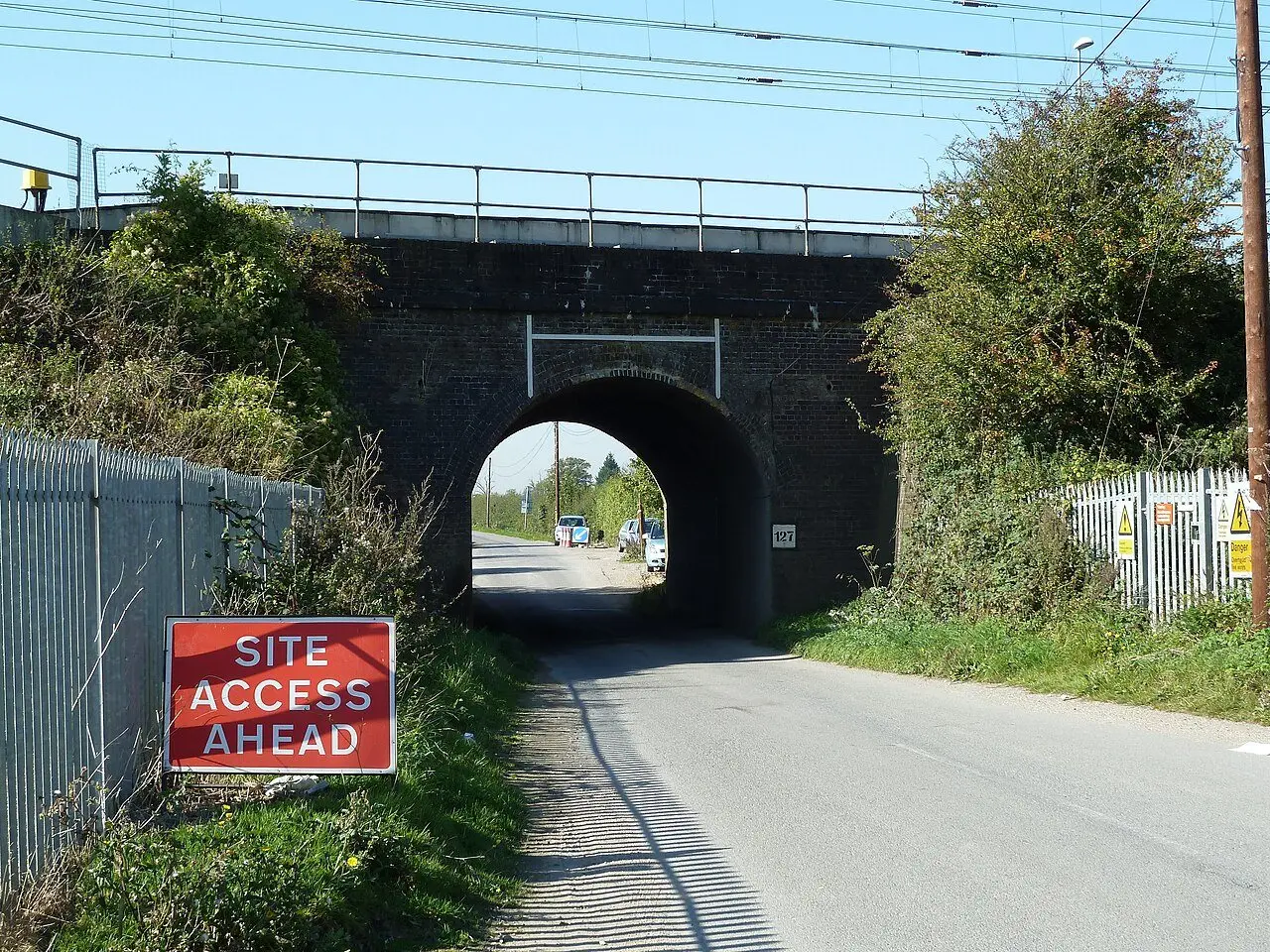
Just after 3 a.m. on August 8, 1963, the Glasgow-to-London Royal Mail train slowed to a halt at a dark country bridge in Buckinghamshire. The red signal ahead was a lie — the gang had rigged it with batteries. A green signal, the one that would have waved the train on, had been covered. Fifteen men in helmets, ski masks, and gloves were waiting in the shadows of Bridego Railway Bridge.
The gang was led by Bruce Reynolds, a London burglar, and guided by inside information about the train's schedule and cargo — its so-called "Ulsterman" informant, whose true identity has never been firmly established. On board the High Value Package carriage sat £2.6 million in used banknotes, mostly wages bound for London. That is roughly £50 million in today's money.
The robbery itself was swift and, by the standards of heists, almost bloodless — the gang carried no firearms. But it was not victimless: the train's driver, Jack Mills, was struck over the head with a metal bar and suffered serious head injuries. He eventually returned to light duties and retired in 1967, but he never fully recovered from the trauma of that night.
The loot — about 120 mailbags — was driven in two Land Rovers to Leatherslade Farm, some 27 miles away, where the gang divided it. Their downfall was almost comic: police found the farmhouse, and the evidence left behind, including fingerprints on a Monopoly board the gang had used to pass the time, helped investigators track down most of the robbers. The ringleaders were sentenced to 30 years in prison.
One robber refused to stay put. Ronnie Biggs escaped from prison in 1965, altered his appearance, and fled to Australia and then Brazil, living as a fugitive for 36 years before returning to Britain in 2001 and being sent back to prison. And the money? The great bulk of the £2.6 million was never recovered — the mystery of the missing loot endures to this day.
The Great Train Robbery became the crime of the century: proof that a perfectly planned heist could beat the system, and proof that the system catches almost everyone anyway. It transformed railway security, inspired films and songs for decades, and remains Britain's most famous robbery — a reminder that the boldest plans still have to survive the morning after.
Photo: Mr Biz (geograph.org.uk), CC BY-SA 2.0 (via Wikimedia Commons).