The Day Britain Said Goodbye to Churchill
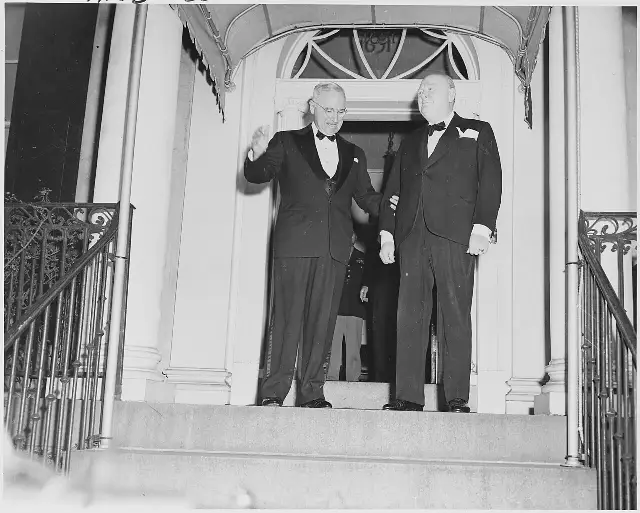
On January 24, 1965, Winston Churchill died at his London home at age 90, and the world prepared the grandest farewell given to a statesman in modern times.


On January 24, 1965, Winston Churchill died at his London home at age 90, and the world prepared the grandest farewell given to a statesman in modern times.
On February 21, 1965, the civil rights leader Malcolm X was gunned down in New York's Audubon Ballroom as he prepared to address his new movement.
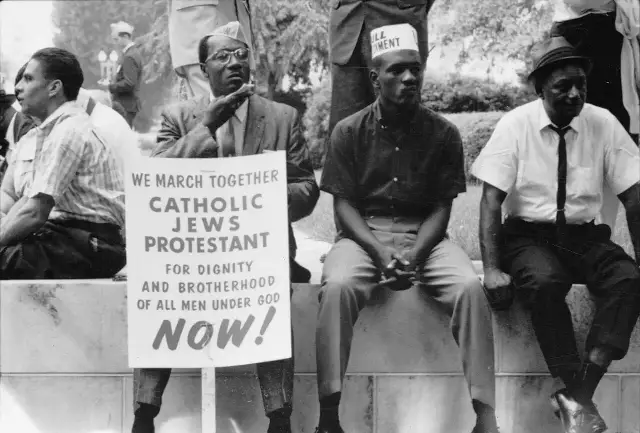
On March 7, 1965, peaceful marchers were beaten on Selma's Edmund Pettus Bridge — and the nation answered with the Voting Rights Act.
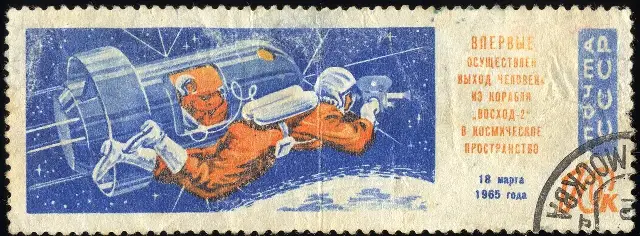
On March 18, 1965, Soviet cosmonaut Alexei Leonov spent 12 minutes outside his Voskhod 2 capsule — the first spacewalk in history.
On March 21, 1965, thousands set out from Selma to Montgomery under federal guard — the march that forced America to guarantee the vote.
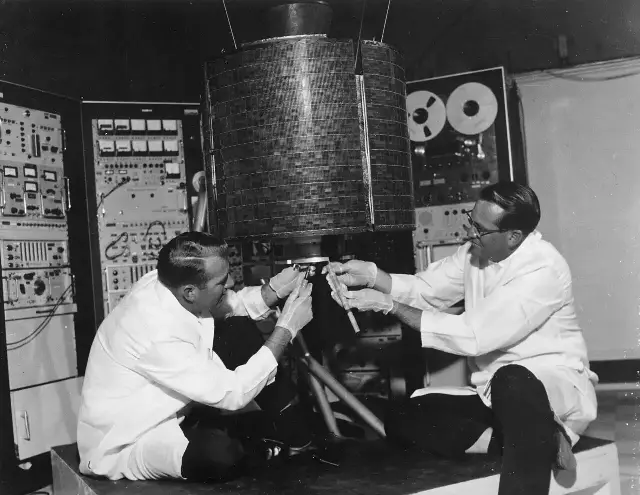
On April 6, 1965, Intelsat I — nicknamed Early Bird — launched from Cape Canaveral, becoming the first commercial communications satellite.
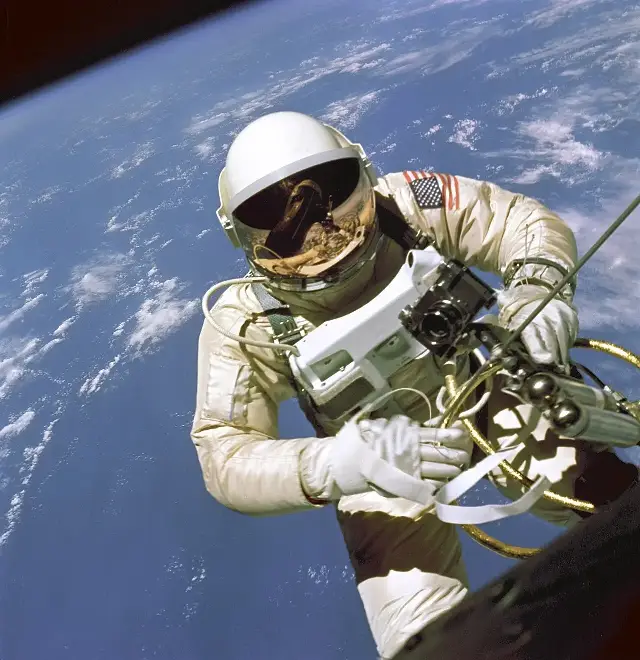
On June 3, 1965, astronaut Ed White floated out of Gemini 4 and became the first American to walk in space — and called coming back 'the saddest moment of my life.'
On July 25, 1965, Bob Dylan strapped on an electric guitar at the Newport Folk Festival and split the music world in two.
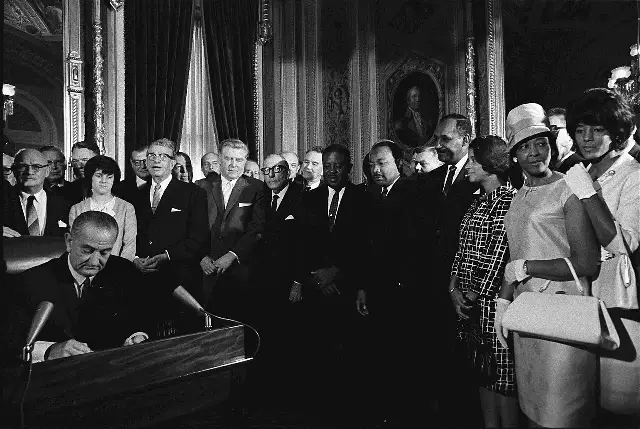
On August 6, 1965, President Lyndon Johnson signed the Voting Rights Act into law, outlawing the literacy tests and poll taxes used to keep Black Americans from voting.
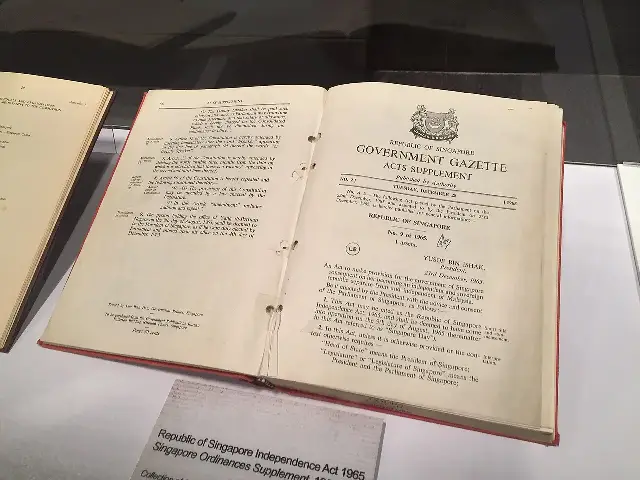
On August 9, 1965, Singapore was expelled from Malaysia and became a sovereign nation — an independence its own leader greeted with tears, not celebration.
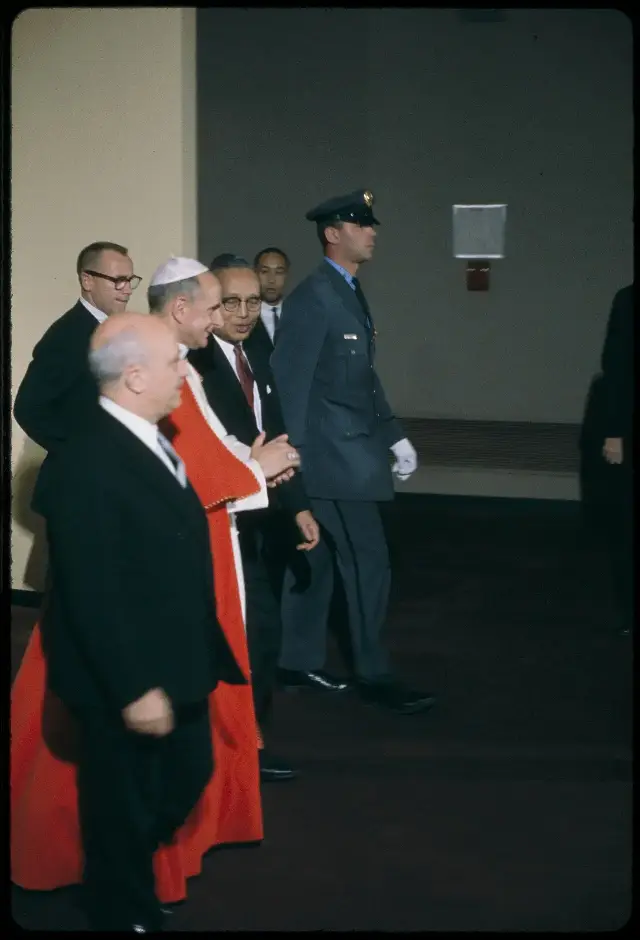
On October 4, 1965, Pope Paul VI spent one whirlwind 14-hour day in New York — the first reigning pope ever to set foot in the United States — to beg the world's leaders for peace.
On October 28, 1965, workers eased a 10-ton keystone into the top of the Gateway Arch as heat, math, and 630 feet of stainless steel held their breath.
On November 9, 1965, one mis-set relay near Niagara Falls triggered a cascading blackout that darkened the entire Northeast at rush hour.
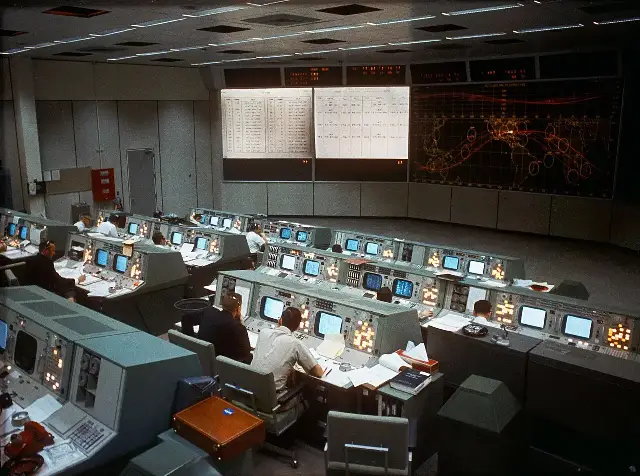
On December 4, 1965, astronauts Frank Borman and Jim Lovell launched aboard Gemini 7 for a grueling two-week mission that proved humans could survive the trip to the Moon.
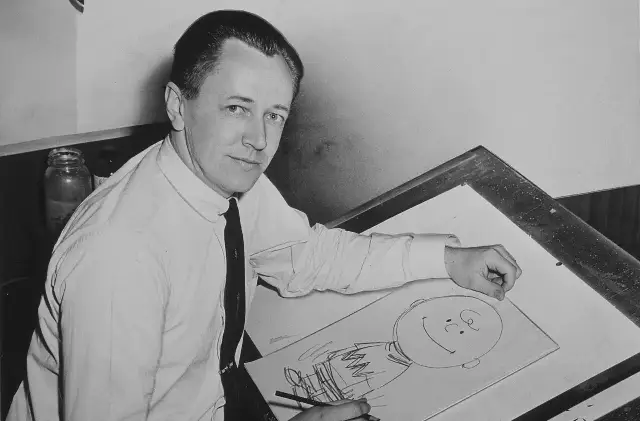
On December 9, 1965, a low-budget cartoon about a sad kid and a scrawny tree became a Christmas institution.