The Cold War's Most Famous Walk: The Bridge of Spies Exchange
On a freezing Berlin morning in 1962, a downed American pilot and a Soviet master spy walked past each other into freedom on the Glienicke Bridge.


On a freezing Berlin morning in 1962, a downed American pilot and a Soviet master spy walked past each other into freedom on the Glienicke Bridge.
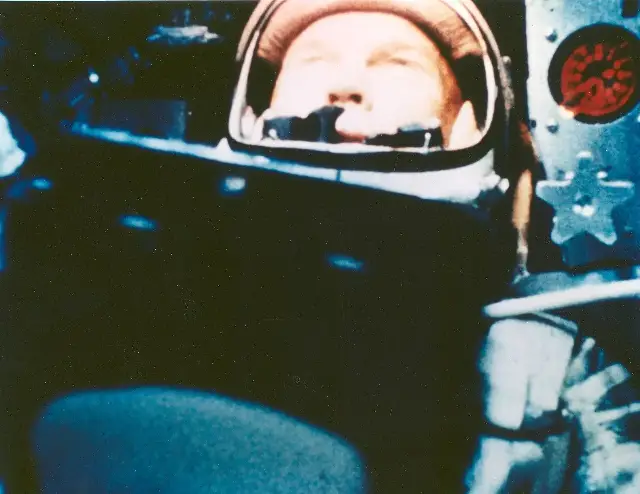
On February 20, 1962, John Glenn became the first American to orbit the Earth, circling the globe three times aboard the Mercury capsule Friendship 7.
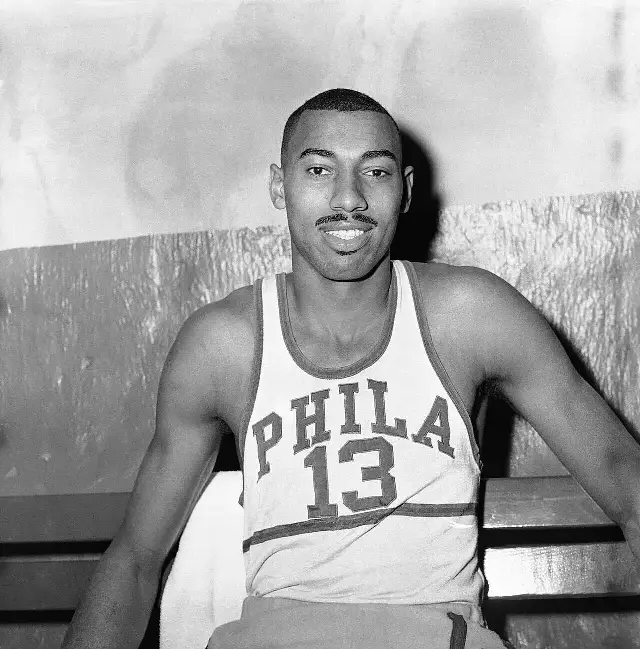
On March 2, 1962, before 4,124 fans in a Hershey hockey barn with no TV cameras present, Wilt Chamberlain scored 100 points — a record no one has touched since.
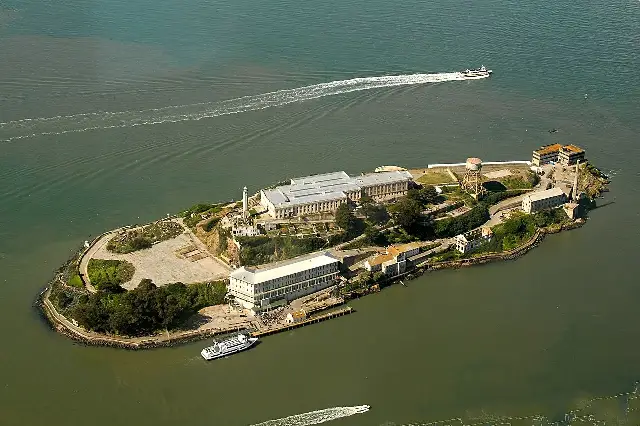
On the night of June 11, 1962, Frank Morris and the Anglin brothers slipped out of Alcatraz on a raft of raincoats — and were never seen again.
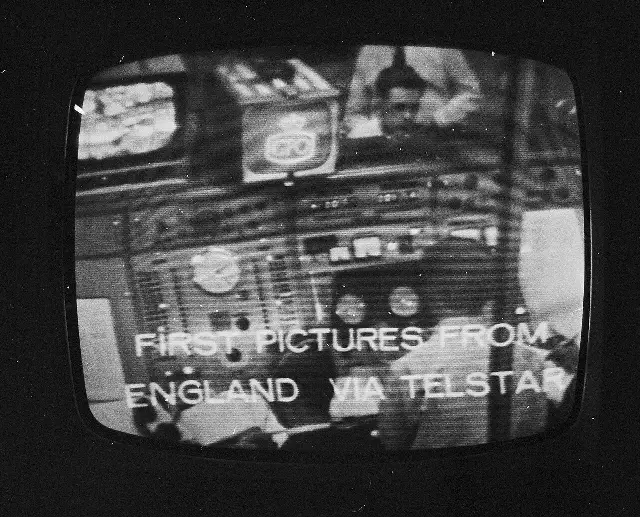
Launched July 10, 1962, a tiny satellite beamed the first live television pictures across the Atlantic — and TV went global.
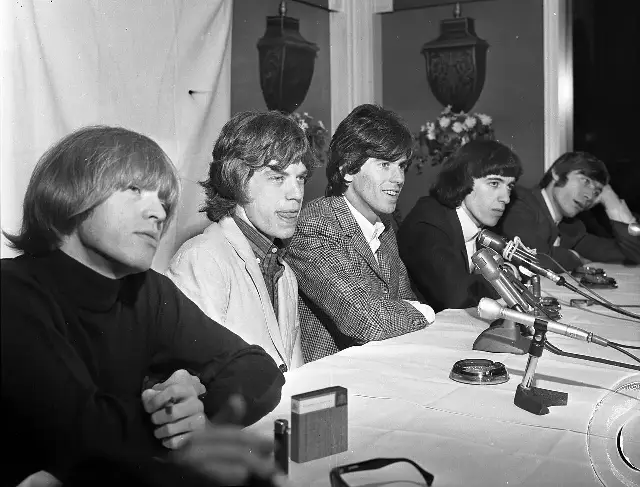
On July 12, 1962, a little-known blues band filled in at London's Marquee Club — and the Rolling Stones played their very first gig.
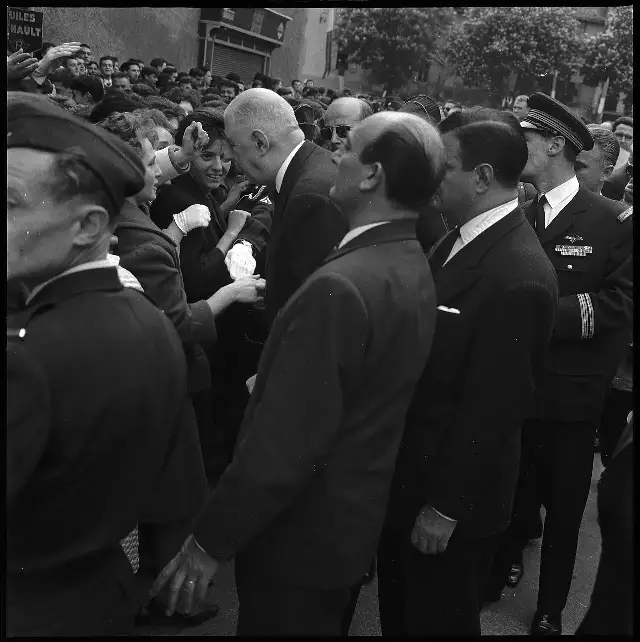
On August 22, 1962, gunmen ambushed Charles de Gaulle's car outside Paris, firing more than 150 rounds — and the French president walked away without a scratch.
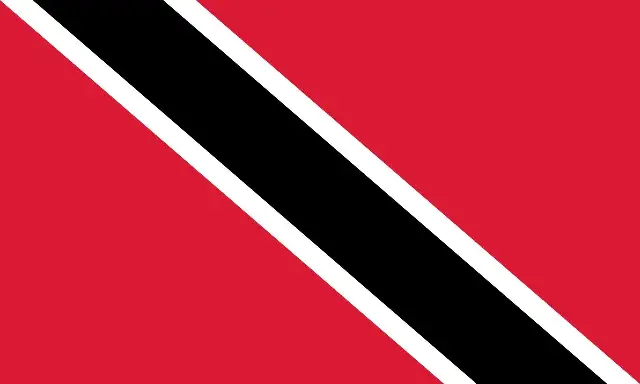
On August 31, 1962, Trinidad and Tobago became an independent nation, ending centuries of colonial rule under a new red, white, and black flag.
On September 29, 1962, Canada launched Alouette 1 — the first satellite designed and built by any country besides the U.S. and the Soviet Union.
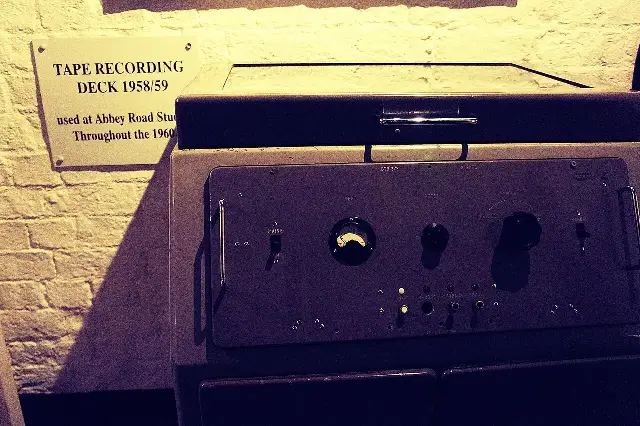
On October 5, 1962, the Beatles released their debut single Love Me Do on Parlophone — it only reached number 17 in Britain, but it was the first faint chime of a revolution.
On October 9, 1962, the Union Jack came down over Kampala and a new flag rose — Uganda was an independent nation at last.
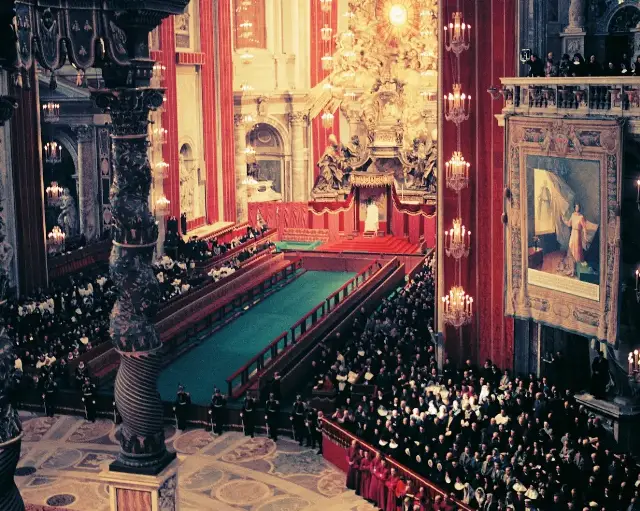
On October 11, 1962, Pope John XXIII opened the Second Vatican Council before more than 2,000 bishops, launching the most consequential religious gathering of the twentieth century.
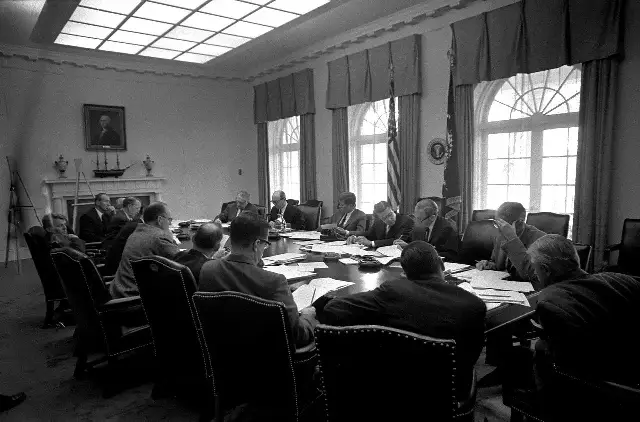
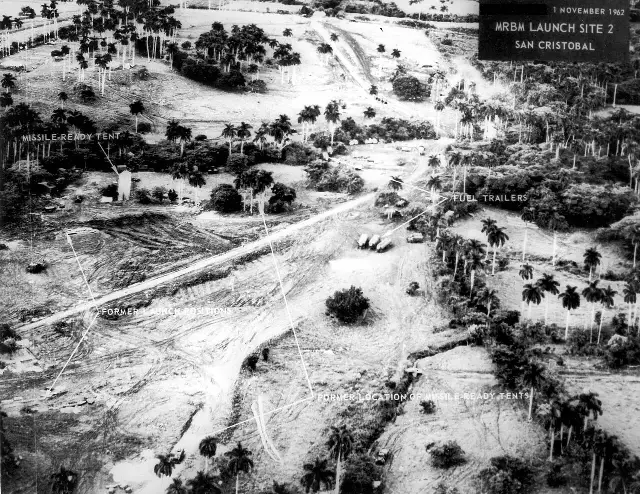
On October 16, 1962, President Kennedy was shown spy-plane photos of Soviet nuclear missiles in Cuba — and the thirteen most dangerous days in history began.
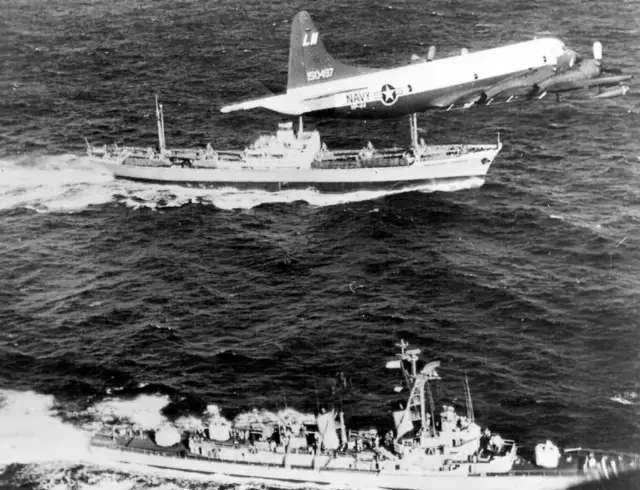
On October 22, 1962, JFK told the world about Soviet missiles in Cuba — and brought humanity closer to nuclear war than ever before.
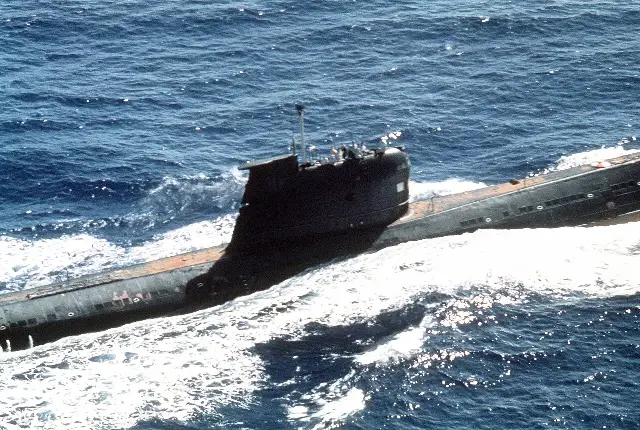
On October 27, 1962, Soviet officer Vasily Arkhipov refused to authorize a nuclear torpedo — on the most dangerous day of the Cold War.
On October 28, 1962, Nikita Khrushchev announced the Soviet missiles would leave Cuba, ending thirteen days in which the world stood closer to nuclear war than ever before.
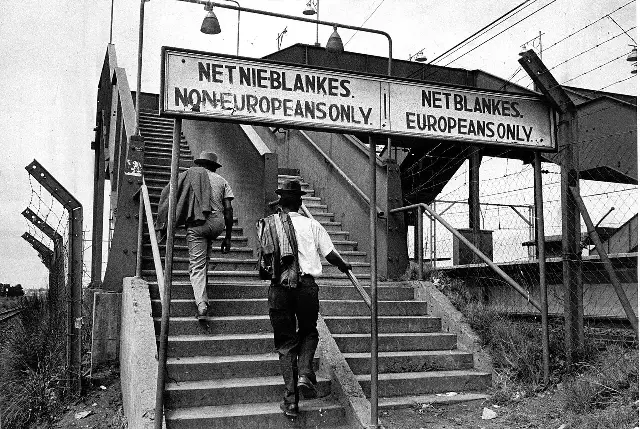
On November 6, 1962, the UN General Assembly passed Resolution 1761, condemning South Africa's apartheid policies and urging a worldwide economic and military boycott.
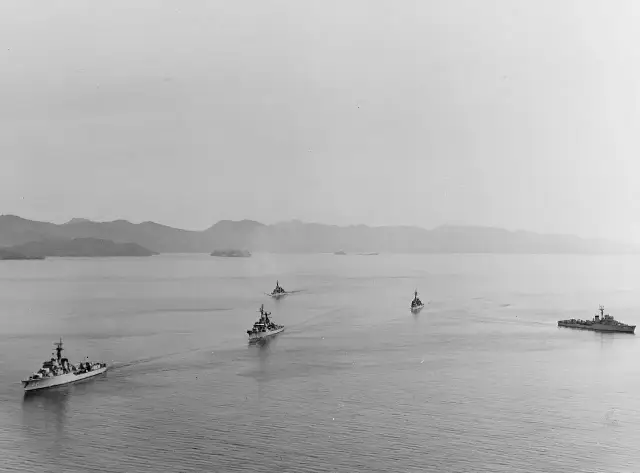
On November 20, 1962, President Kennedy announced the end of the naval quarantine of Cuba, closing the book on the missile crisis that had brought the world to the brink of nuclear war.