Ten Seconds That Shattered a City: The Managua Earthquake
At 12:29 a.m. on December 23, 1972, a magnitude 6.3 earthquake devastated Managua, Nicaragua, killing thousands and leaving hundreds of thousands homeless.
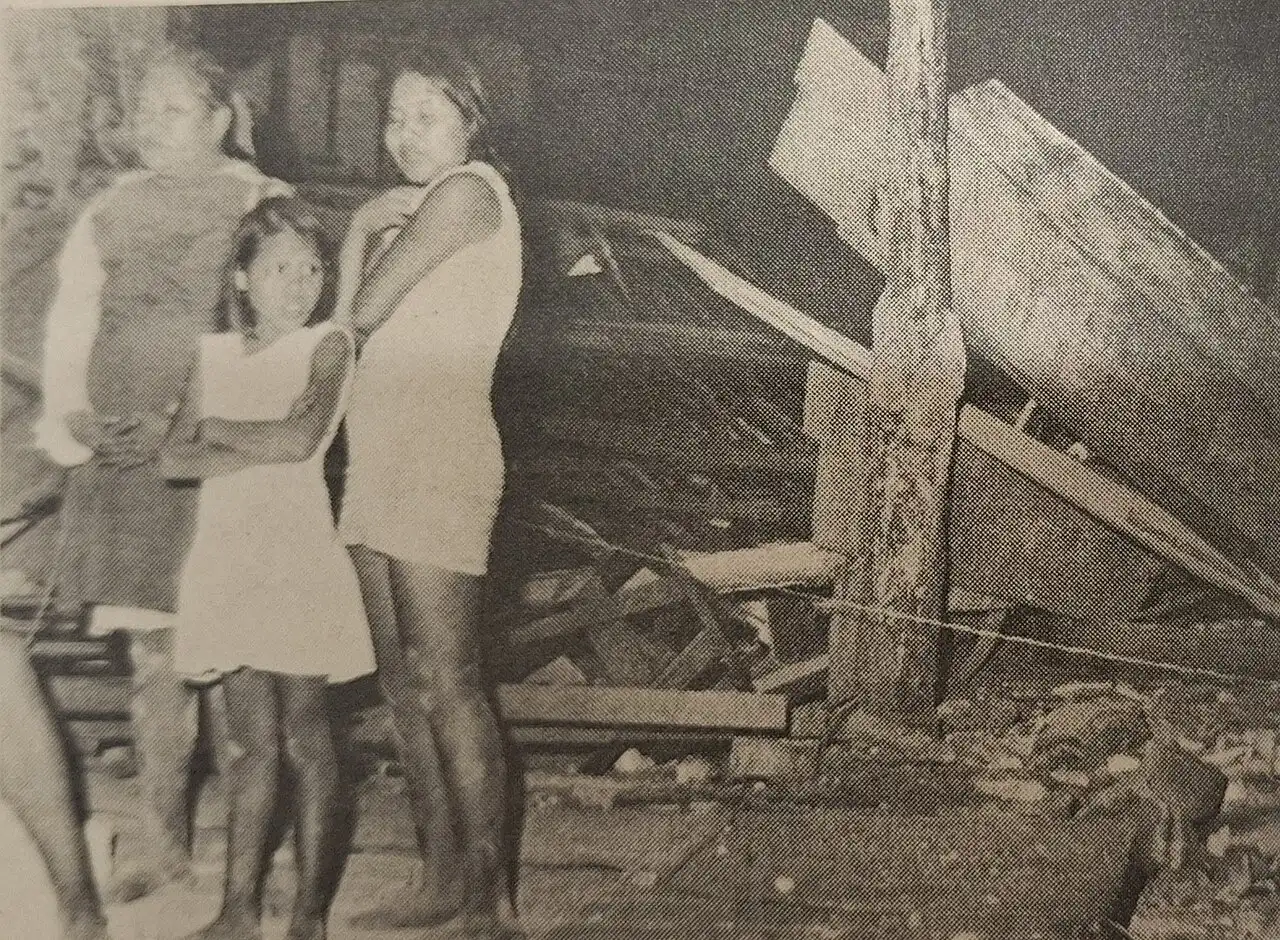
At 12:29 in the morning, ten seconds of shaking did what no army could. On December 23, 1972, a magnitude 6.3 earthquake struck directly beneath Managua, the capital of Nicaragua - and by sunrise, the center of the city was gone.
The numbers tell the scale: the quake lasted only ten to fifteen seconds, with its epicenter just 28 kilometers northeast of downtown and only about ten kilometers deep. Seismologists recorded ground accelerations of 40 percent of gravity - among the strongest ever measured. But it flattened some thirteen square kilometers of the city center. Estimates of the dead range from 4,000 to 11,000; some 20,000 people were injured, and more than 300,000 - a huge share of the city's population - were left homeless. Within the hour, two strong aftershocks struck, and fires - always the earthquake's cruel second act - spread through the ruins. The main shock had been preceded by a small foreshock and was followed by many aftershocks; only about six seconds of severe shaking did most of the damage. Property damage was estimated at about 120 million pounds - an enormous sum for one of the poorest countries in the hemisphere.
It struck two days before Christmas, in the small hours when nearly everyone was home asleep - which is one reason the toll was so terrible. Out of a city of about 400,000 people, roughly 10,000 were killed.
People woke in the dark to a world of dust and rubble, digging through collapsed homes with their bare hands, searching for family. Hospitals were overwhelmed; entire neighborhoods simply ceased to exist.
It was the deadliest earthquake of 1972 anywhere in the world. Relief poured in from around the globe, and the people of Managua began the long work of rebuilding. But the old city center was gone, and the new Managua grew up around the hole it left behind. More than fifty years later, the empty lots and memorials of the center still tell the story of that night.
Why it matters: the Managua earthquake is remembered as one of the great urban disasters of the twentieth century - a reminder that in poor cities, it isn't the shaking that kills most people, it's the buildings. The disaster helped launch a new era of earthquake science and building codes across Central America, lessons written in rubble that are still saving lives today.
Photo: photographer unknown, public domain (via Wikimedia Commons).