Burma Wins Its Freedom at 4:20 in the Morning
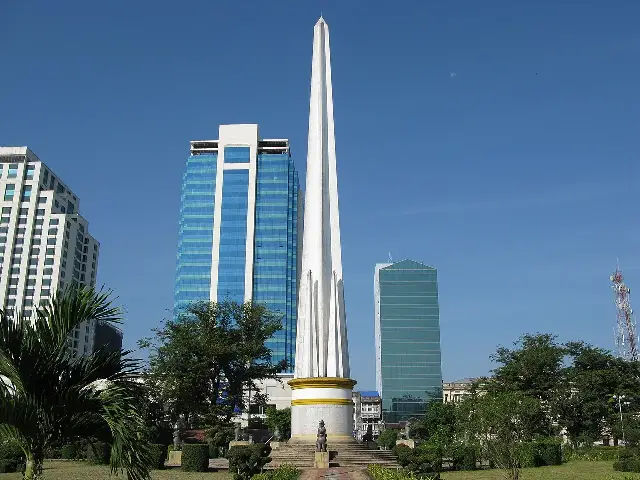
At 4:20 a.m. on January 4, 1948, at an hour chosen by an astrologer, Burma became the Union of Burma — though the leader who won its freedom, Aung San, had been assassinated months earlier.


At 4:20 a.m. on January 4, 1948, at an hour chosen by an astrologer, Burma became the Union of Burma — though the leader who won its freedom, Aung San, had been assassinated months earlier.
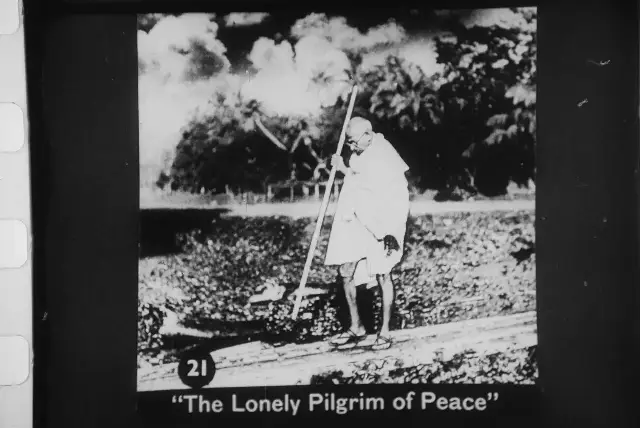
On January 30, 1948, Mahatma Gandhi was assassinated at a prayer meeting in New Delhi, ending the life of the leader who guided India's freedom struggle.
On February 4, 1948, Ceylon became the independent Dominion of Ceylon, ending a century and a half of British colonial rule.
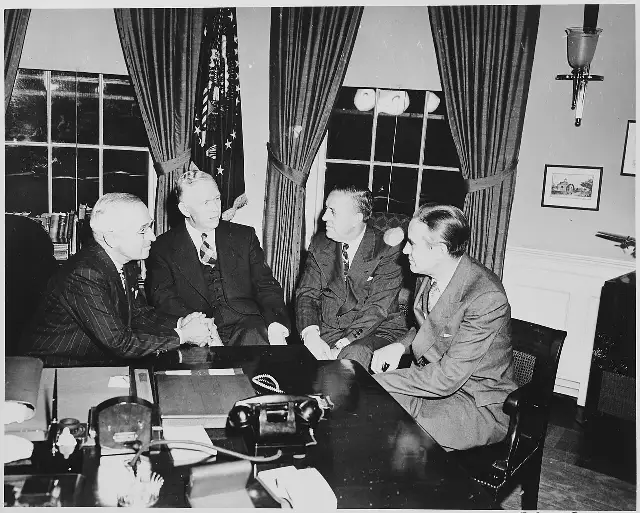
On April 3, 1948, President Truman signed the Marshall Plan, committing about $13 billion to rebuild war-torn Western Europe.
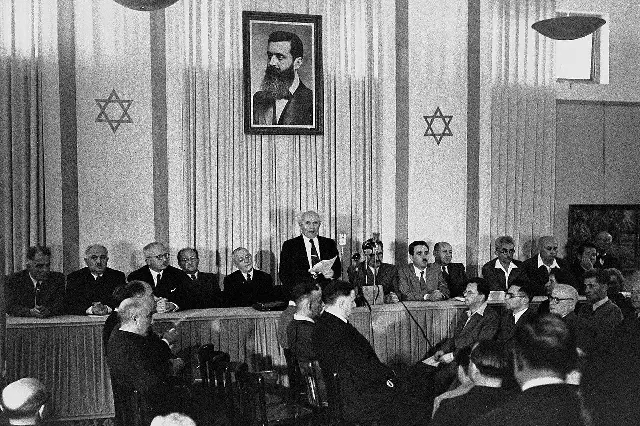
On May 14, 1948, David Ben-Gurion proclaimed the State of Israel at the Tel Aviv Museum in a 32-minute ceremony, hours before the British Mandate expired at midnight.
On June 21, 1948, Columbia Records unveiled the 33 1/3 rpm long-playing record at the Waldorf Astoria, launching the album era.
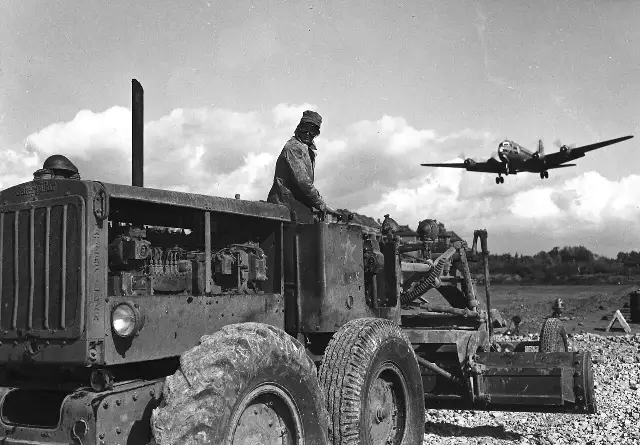
On June 24, 1948, the Soviet Union sealed off West Berlin — and the Allies answered by supplying two million people entirely from the sky.
On June 26, 1948, the first American cargo planes took off for blockaded Berlin, launching Operation Vittles — the massive airlift that kept two million people alive for nearly a year.
On July 5, 1948, health minister Aneurin Bevan walked into a Manchester hospital and launched the NHS — healthcare free for all, funded by taxes.
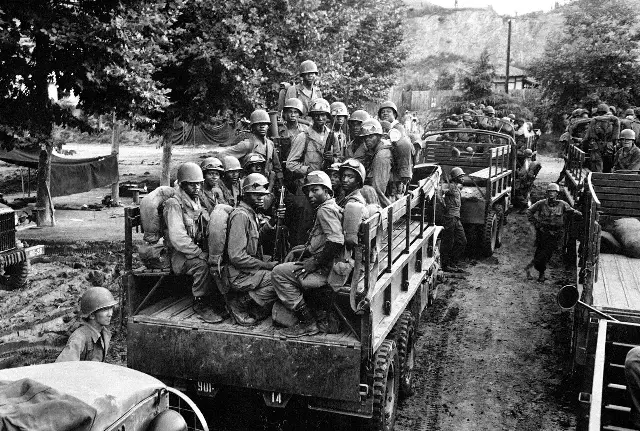
On July 26, 1948, President Truman signed Executive Order 9981, ending official segregation in the U.S. armed forces — and the Korean War would prove it worked.
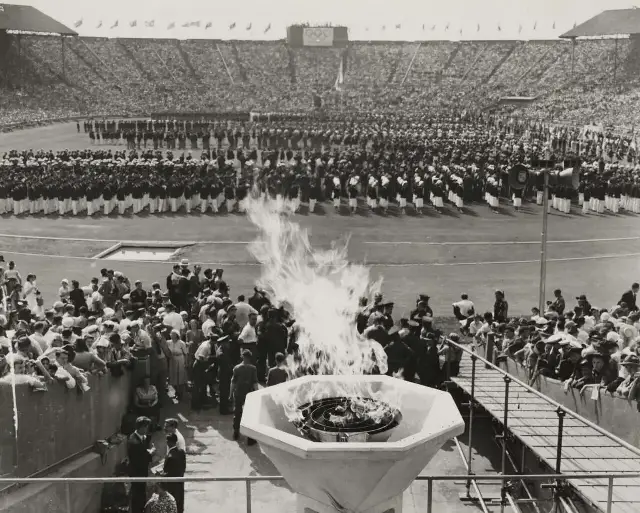
On July 29, 1948, war-scarred London opened the first Olympics in twelve years — with rationed food, borrowed kit, and a spirit the world desperately needed.
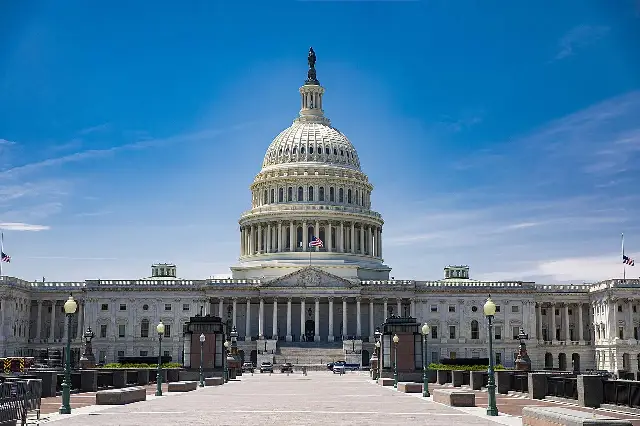
On September 13, 1948, Maine voters elected Margaret Chase Smith to the U.S. Senate, making her the first woman to serve in both houses of Congress.
On December 9, 1948, the United Nations adopted the Genocide Convention, the first treaty making genocide a crime under international law.