The Peace Prize That Arrived as an Empire Fell
On October 15, 1990, the Nobel Committee honored Mikhail Gorbachev for ending the Cold War — just as the Soviet Union he led was coming apart.
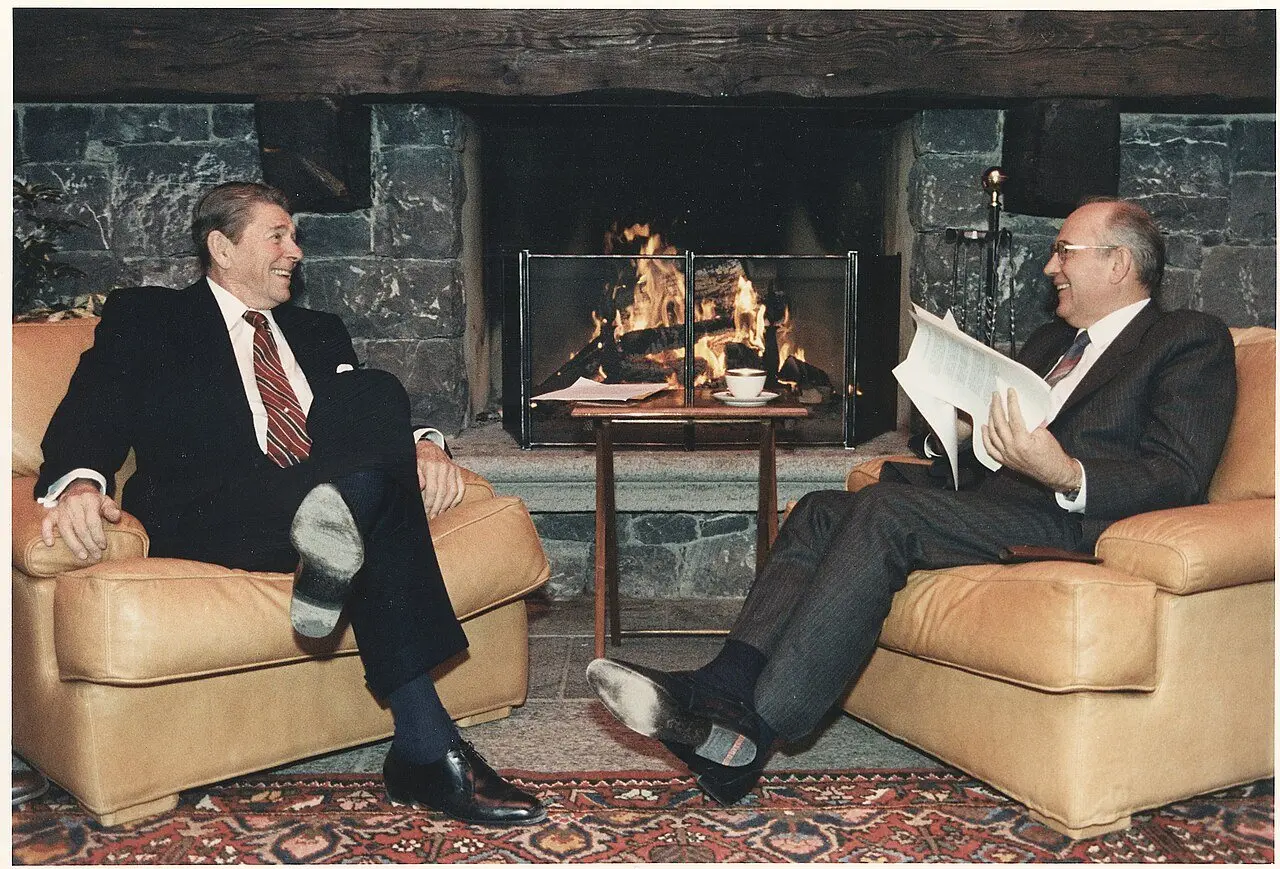
On October 15, 1990, the Norwegian Nobel Committee made an announcement that would have been unthinkable a decade earlier: the Nobel Peace Prize would go to the leader of the Soviet Union.
Mikhail Gorbachev was honored, in the committee's words, "for his leading role in the peace process which today characterizes important parts of the international community." When the committee's chairman, Gidske Anderson, presented the reasoning, she praised "the new-found openness and willingness to cooperate shown by the Soviet Union, and its readiness to accept realistic compromise," which had "created fresh hope under his leadership."
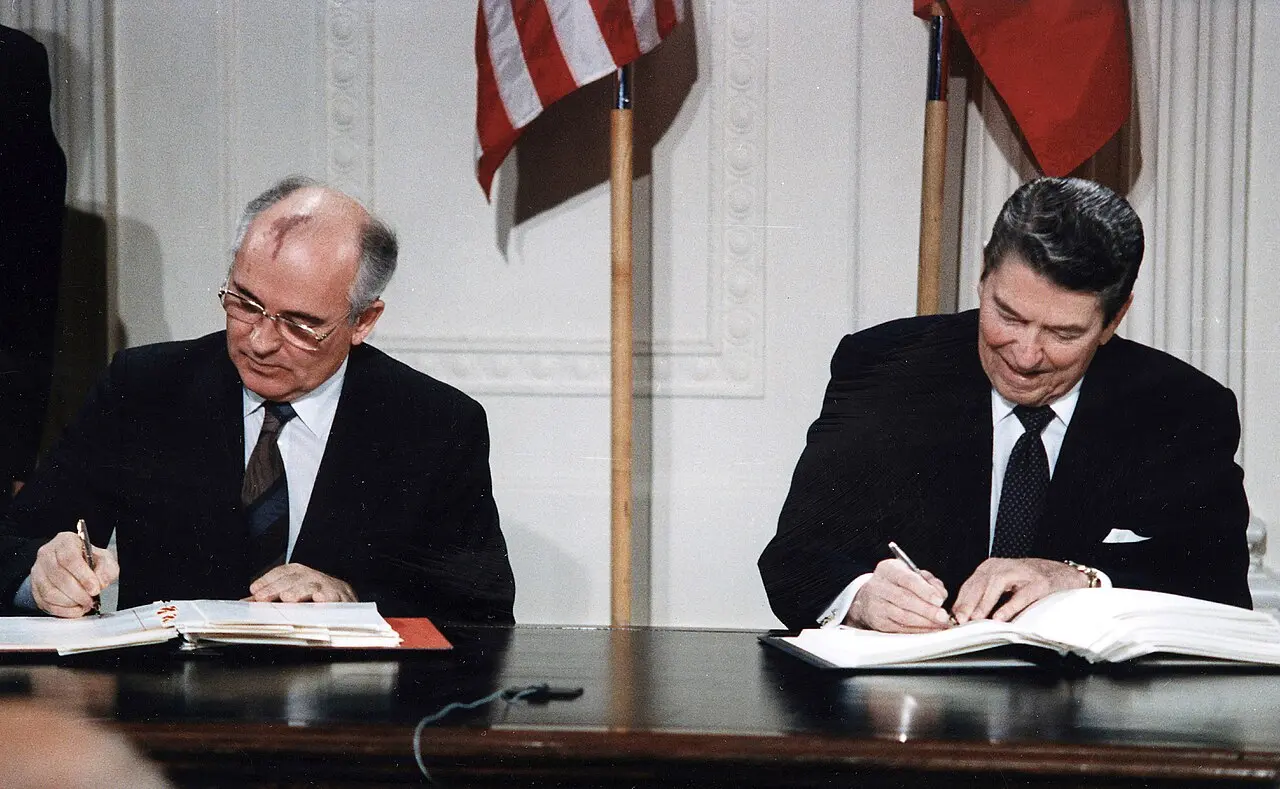
Gorbachev had taken power in March 1985, inheriting a stagnant superpower locked in a nuclear arms race it could no longer afford. He answered with two words that would change the century: glasnost (openness) and perestroika (restructuring). At home he loosened censorship and let citizens speak. Abroad, he did something no Soviet leader had ever done — he chose to talk instead of threaten.
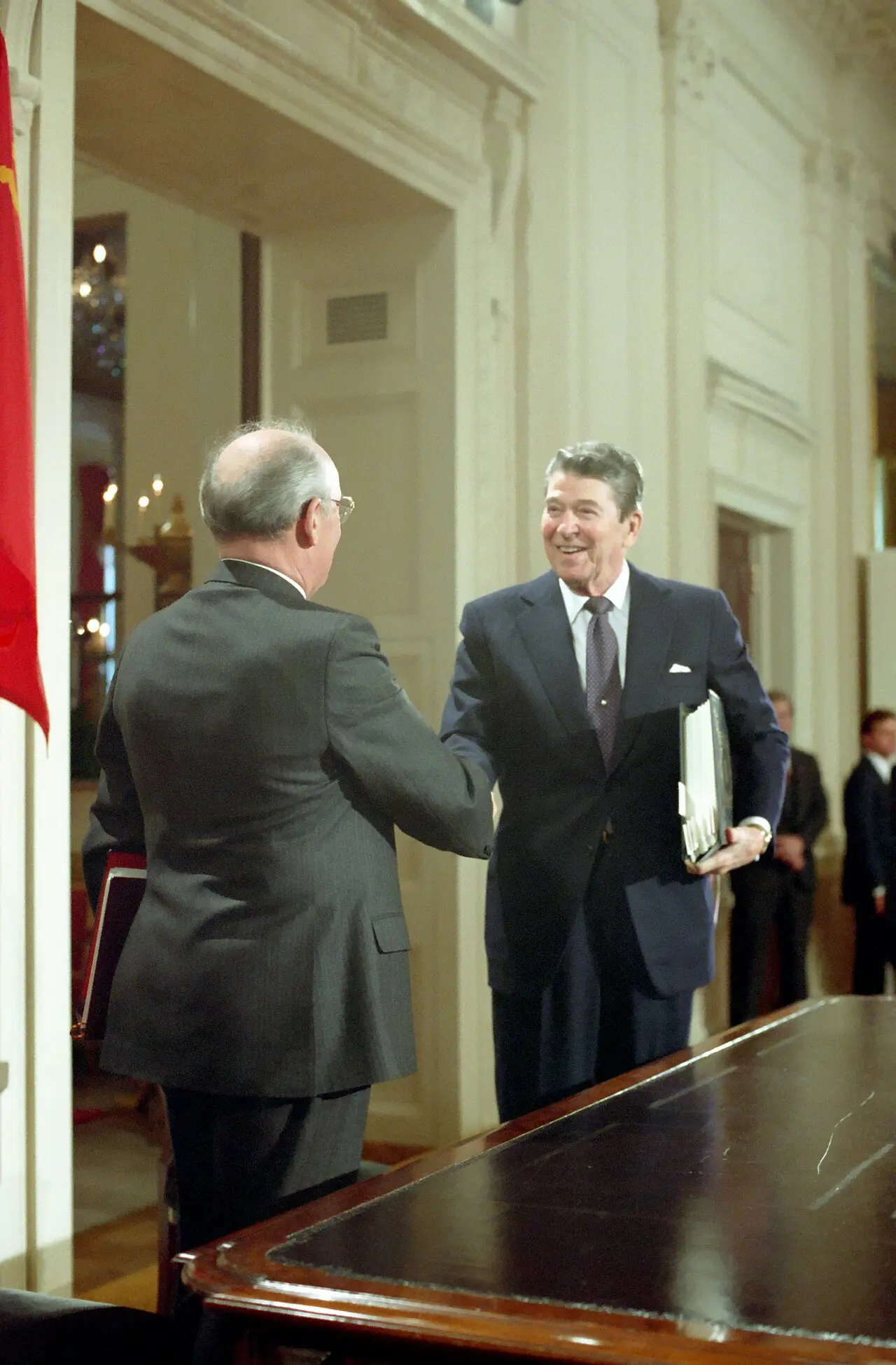
The results came fast. In December 1987 he signed the INF Treaty with President Ronald Reagan, eliminating an entire class of nuclear missiles. He pulled Soviet troops out of Afghanistan. And when Eastern Europe rose up in 1989, he made the most consequential decision of his career: he refused to send in the tanks. The old Brezhnev Doctrine — that Moscow would crush any satellite state that strayed — was dead; his aides jokingly called the replacement the "Sinatra Doctrine," because the Eastern bloc countries could now do it their way. The Berlin Wall fell, Germany reunited, and not a single Soviet shot was fired to stop it.
The prize carried a deep irony. Gorbachev accepted it as the first — and, as it turned out, the last — president of the Soviet Union. He sent his deputy foreign minister to receive the medal in Oslo that December. Within little more than a year, the country he had tried to reform had dissolved entirely. He had set out to save Soviet communism and instead presided over its peaceful end.
Gorbachev died in 2022 at age 91. He remains a complicated figure — celebrated in the West, criticized at home for the chaos that followed. But the prize recognized something undeniable: the Cold War, the defining standoff of the modern age, ended not with a mushroom cloud or a battlefield victory, but with negotiation, restraint, and a leader willing to let an empire go. In a world that still argues over how conflicts end, that October announcement remains a reminder that peace is a choice leaders can make.
Photo: U.S. National Archives (NARA), public domain (via Wikimedia Commons).
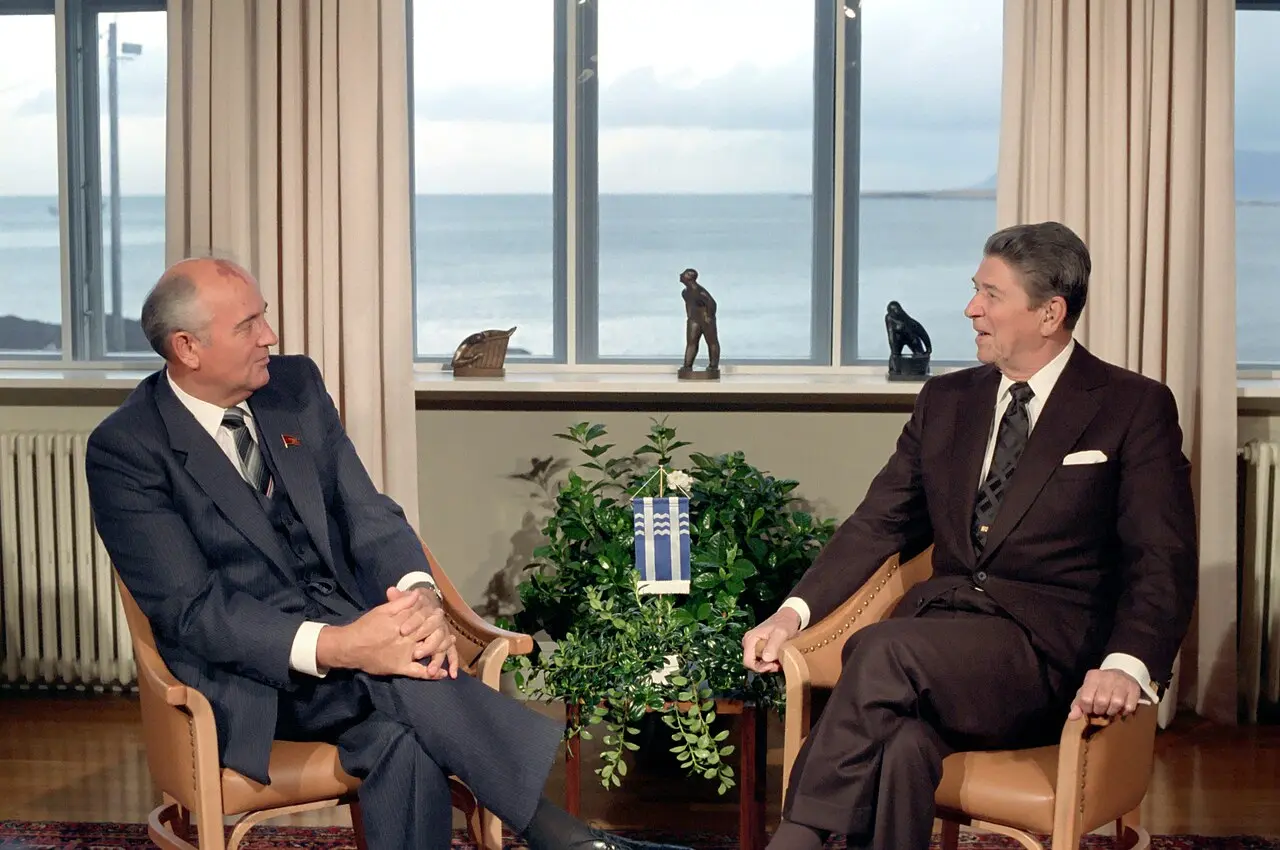
More photos (via Wikimedia Commons; U.S. government photographs, public domain): Reagan and Gorbachev signing the INF Treaty and shaking hands afterward, 1987; Reagan and Gorbachev meeting at Höfði House, Reykjavik, 1986 (White House Photographic Office).