
One Vote, One Letter, Half of America
On August 18, 1920, a 24-year-old Tennessee legislator changed his vote and put women's suffrage into the U.S. Constitution.
Sometimes history turns on a single voice. On August 18, 1920, the vote that put women's suffrage into the U.S. Constitution came down to one young man in the Tennessee House of Representatives — and the letter from his mother sitting in his pocket.
The battle had lasted 72 years, since the Seneca Falls convention of 1848. Congress had passed the 19th Amendment in June 1919, and 35 of the 48 states had ratified it — one short of the three-quarters needed. By the summer of 1920, Tennessee was the last realistic hope. The fight in Nashville was so fierce it was called the "War of the Roses": supporters wore yellow roses, opponents wore red ones.
Both sides turned Nashville into a war room. Carrie Chapman Catt, president of the National American Woman Suffrage Association, arrived on July 17 and set up headquarters at the Hermitage Hotel, directly across from the Capitol; Josephine Anderson Pearson, leading the anti-suffragists, checked into the same hotel. Lobbyists buttonholed legislators as they stepped off the trains, demanded signed pledges, and pinned the color-coded roses to their lapels. Whiskey flowed despite Prohibition in an eighth-floor suite run by anti-suffrage lobbyists, and the air filled with rumors — bribery, forged telegrams, even attempts to lure lawmakers away from the Capitol with bogus messages about sick children.
The Tennessee Senate ratified easily on August 13, by 25 to 4. The House was bitterly split. On August 18, the anti-suffrage speaker first tried to table the amendment — a move that would have killed it — and the vote deadlocked 48 to 48. Then came the real vote. Representative Harry Burn of Niota, a 24-year-old wearing the red rose of the "antis," had voted with them on the procedural motion. But that morning he had received a letter from his mother, Febb Burn, a college-educated widow who read three newspapers a day. Her advice was plain: "Don't forget to be a good boy and help put the 'Rat' in ratification." Burn stood and answered "aye." The amendment passed 49 to 47.
The antis tried everything to undo the result, but failed. Tennessee became the 36th and decisive state, and the 19th Amendment was formally added to the Constitution on August 26, 1920. That November, some 10 million American women — a little more than a third of all eligible women voters — cast ballots for the first time.
Burn paid a price for his courage. Accused of taking bribes, he slipped out of the chamber through a window to escape an angry mob, and a grand jury investigated the vote. But his McMinn County constituents sent him back for another term, and he stayed in public life for decades: the state House again, the state Senate from 1948 to 1952, the state planning commission, and delegate to four Tennessee constitutional conventions. He even helped draft clean-election laws after fraud tainted his own district. Febb Burn registered to vote that October and cast her first ballot in November 1920, at age 47. Harry Burn lived to 1977 — long enough to watch the vote he cast as a 24-year-old become American bedrock.
The struggle wasn't over: poll taxes, literacy tests, and intimidation kept many Black women and others from voting for decades more. But August 18 remains the day the door was forced open, by one vote — and one mother's letter.
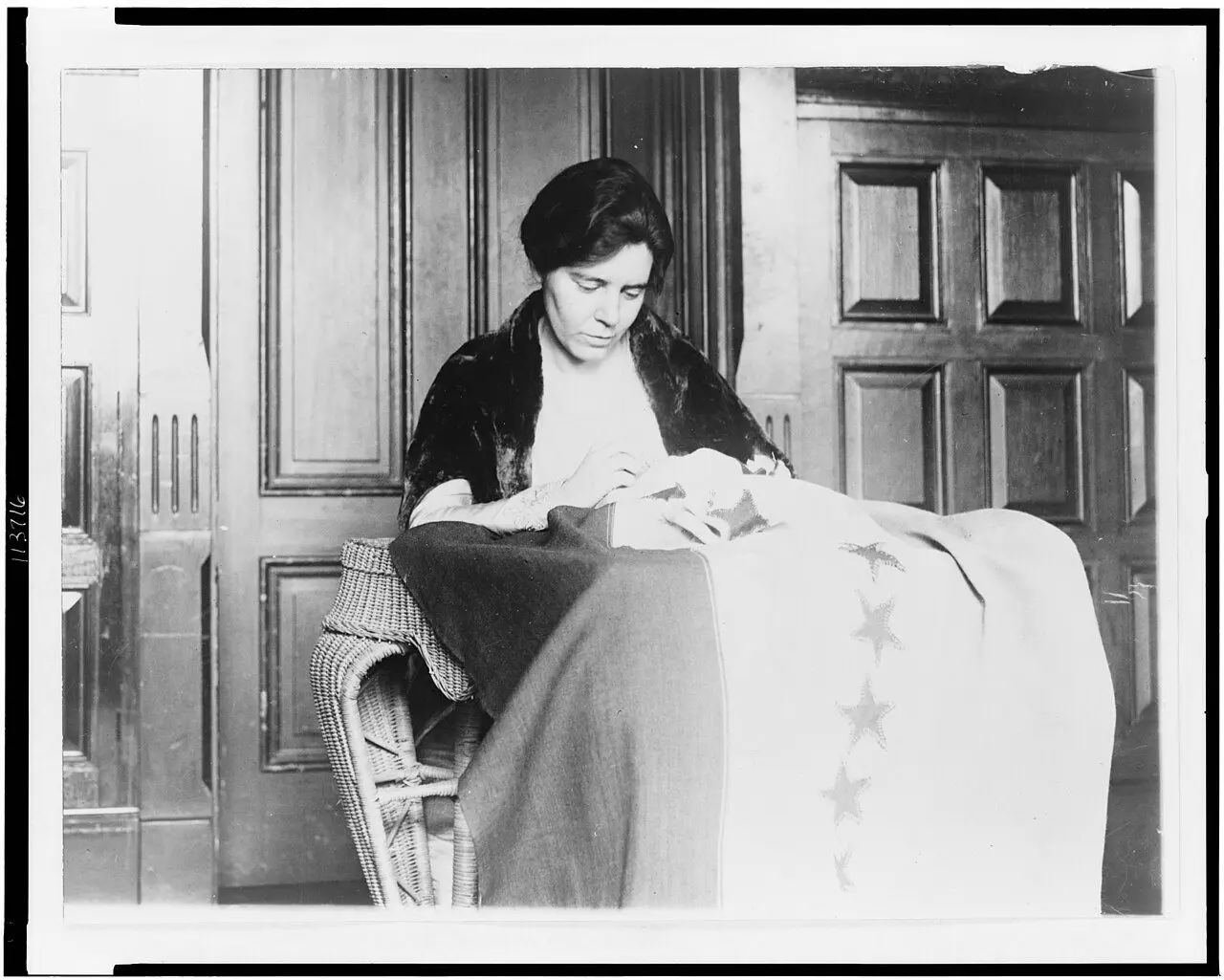
Photo: National Photo Company, public domain, Library of Congress (via Wikimedia Commons).