
The Dawn Attack That Started the Korean War
At 4 a.m. on June 25, 1950, North Korean troops stormed across the 38th parallel, igniting a war that still shapes the world today.
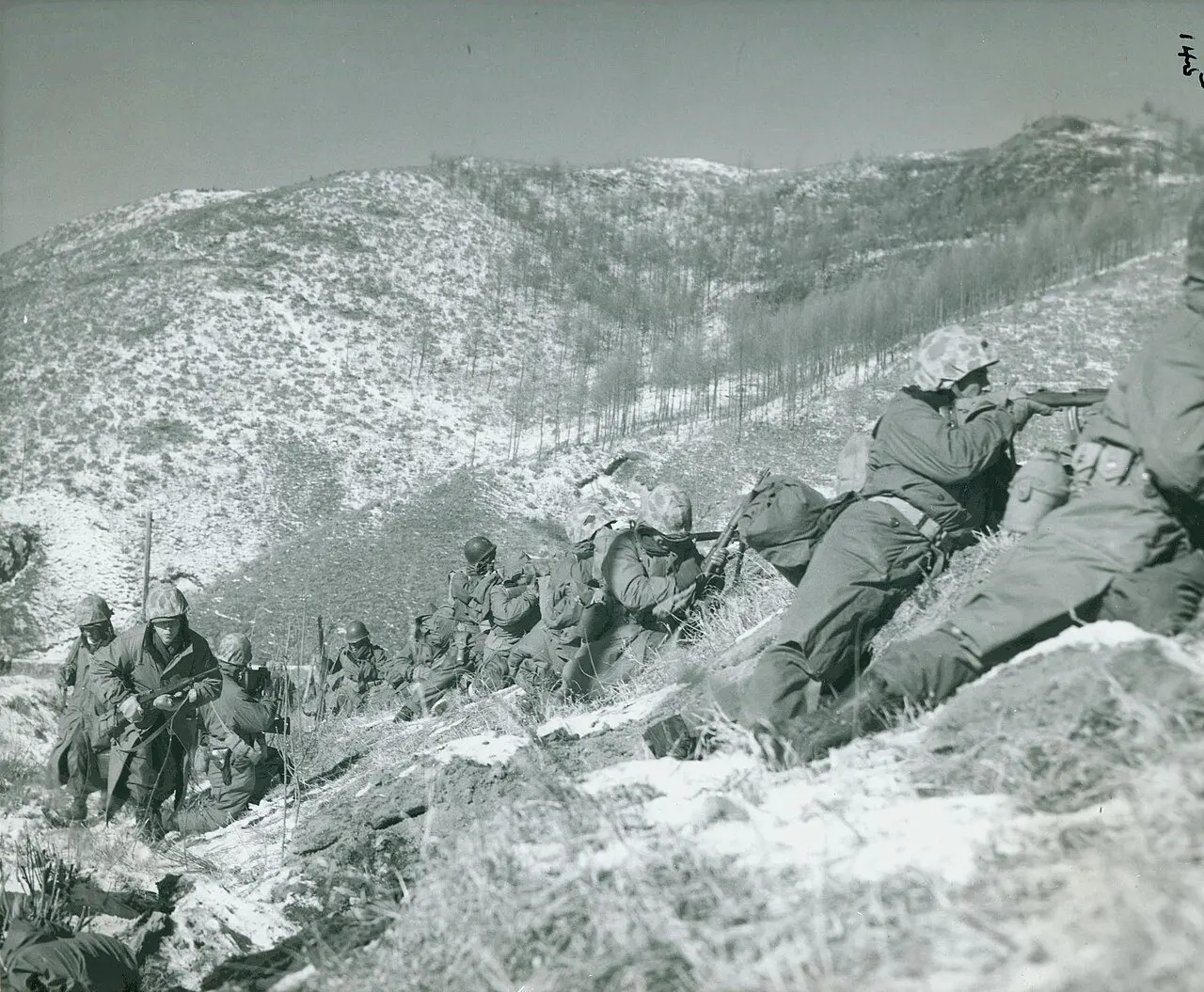
At four o'clock on the morning of Sunday, June 25, 1950, the quiet along the 38th parallel shattered. Without warning or a declaration of war, some 75,000 North Korean soldiers stormed across the border into South Korea, tanks leading the way. By the time most of the world woke up, the Korean War had begun.
The roots of that morning went back five years. When World War II ended in 1945, Korea — freed from 35 years of Japanese rule — was divided at the 38th parallel: the Soviet Union occupying the north, the United States the south. The division was meant to be temporary. Instead, two rival governments emerged, each claiming to be Korea's only legitimate ruler — Kim Il Sung's communist North in Pyongyang, Syngman Rhee's anti-communist South in Seoul. Border clashes were common. But nobody expected a full invasion.
The North's attack, code-named Operation Pokpung — "Operation Storm" — was a blitzkrieg modeled on Soviet tactics. The South Korean army, ill-prepared and underarmed, was overwhelmed. Within three days, the North had captured Seoul. The planners in Pyongyang hoped to take the entire peninsula in fifty days.
The world did not stand by. On the very day of the invasion, the United Nations Security Council denounced North Korea and called on member states to help. Two days later, President Harry Truman ordered American forces to aid the South; on June 30, U.S. ground troops entered the fight. On July 7, the UN created a unified command — 21 nations would eventually fight under it, with the United States providing the bulk of the forces. That September, General Douglas MacArthur's daring amphibious landing at Inchon, on Korea's west coast, reversed the North's gains and became one of the most celebrated operations in modern military history.
But the war was far from over. China entered the fight, the front seesawed back and forth, and the conflict settled into a grinding stalemate. It ended not with victory but with an armistice, on July 27, 1953 — three years and a month after that June dawn. Korea remains divided to this day, along nearly the same line where it all started.
The Korean War was the Cold War's first great hot conflict — the moment the rivalry between communism and the West turned into open battle. It established the pattern of the United Nations standing against aggression, and its unfinished ending still shapes headlines, diplomacy, and the lives of millions on the Korean Peninsula more than seventy-five years later.
Photo credit: U.S. Marine Corps photograph from the Korean War, via Wikimedia Commons. It is a period image from the war, not a photograph of the June 25, 1950 invasion itself.