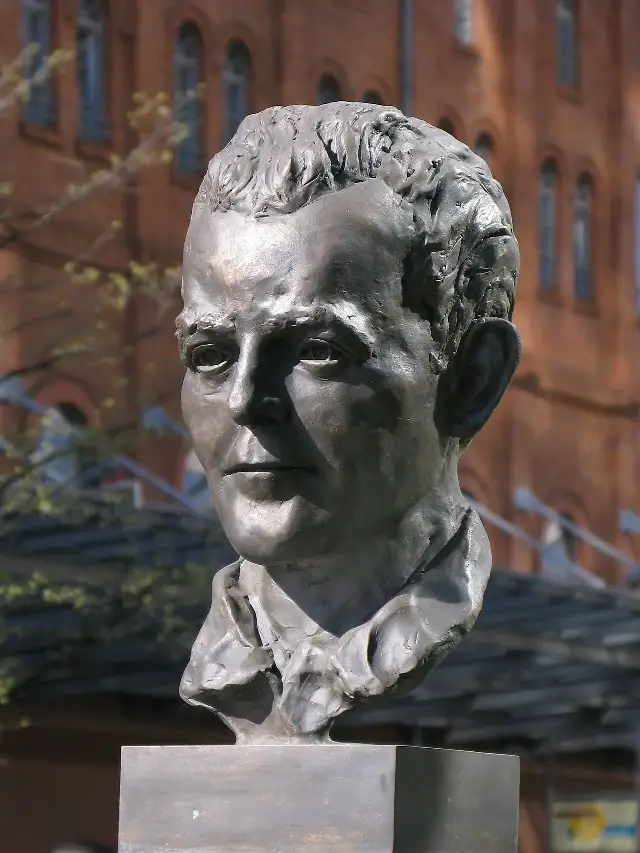
The Friday Night Glow That Gave Doctors Superhuman Sight
On November 8, 1895, physicist Wilhelm Röntgen noticed a strange glow in his darkened lab — and discovered a ray that could see through human flesh.
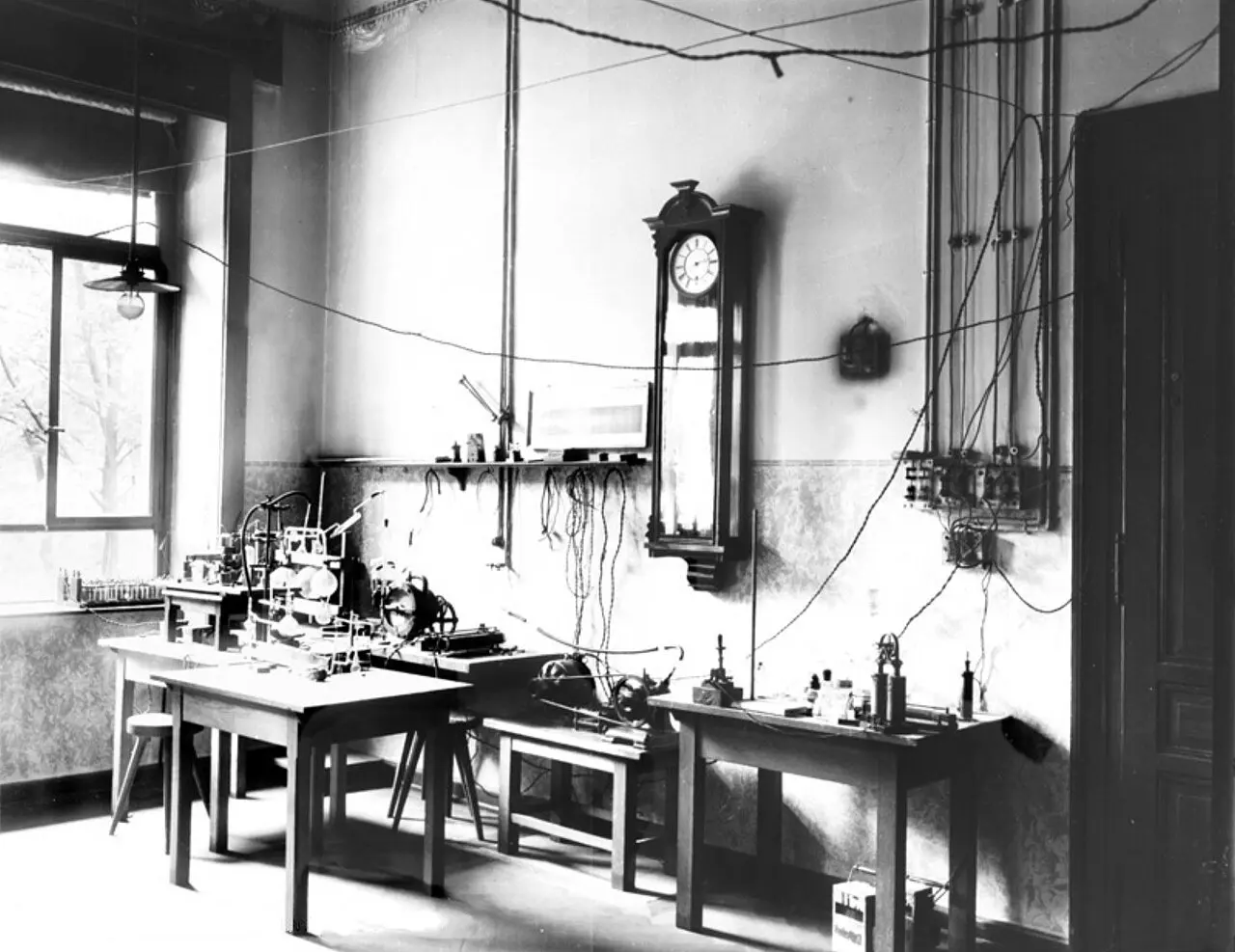
On the late Friday evening of November 8, 1895, a German physics professor was alone in his laboratory at the University of Würzburg, running routine experiments with a cathode-ray tube. Nothing about the evening seemed historic. Then Wilhelm Conrad Röntgen noticed something impossible: a paper coated with barium platinocyanide, lying some distance across the room, was glowing with brilliant fluorescence.
The tube was covered with a close-fitting shield of black cardboard — no ordinary light could have escaped it. Yet the screen lit up anyway. Röntgen theorized that when the cathode rays struck the glass wall of the tube, some unknown radiation was being formed, traveling silently across the room, and striking the chemical. Röntgen, notably, never sought patents on the discovery, reportedly believing such findings belonged to all of humanity. He tested it obsessively over the following weeks: the rays passed through paper, wood, and aluminum as if they weren't there. They darkened photographic plates. They cast shadows of solid bone through living flesh. Because he had no idea what they were, he called them simply X-rays — “X” for the unknown.
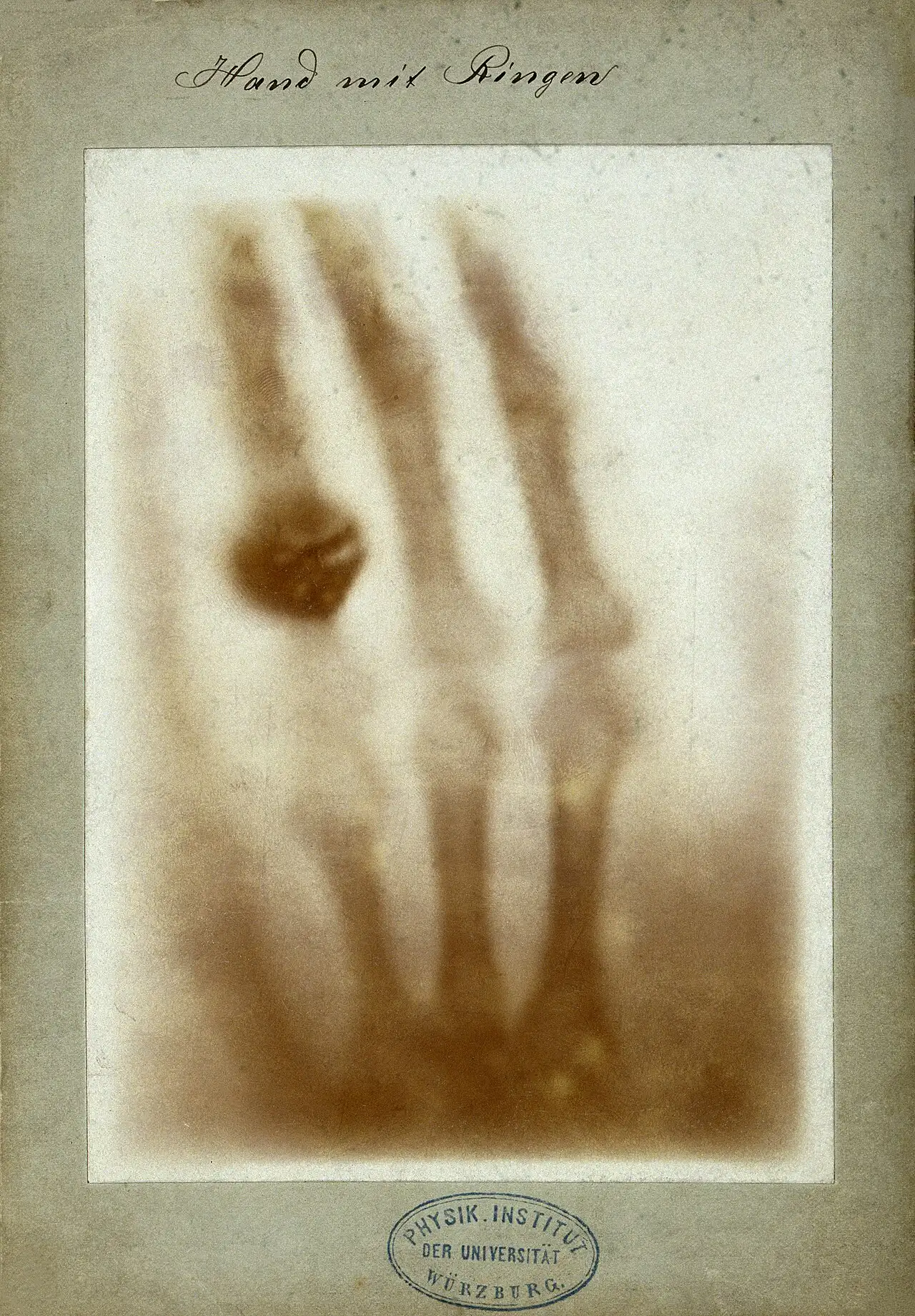
On December 22, weeks after the discovery, he asked his wife, Anna Bertha Ludwig, to place her hand in the beam. The resulting image — her bones ghostly against the dark, a ring glowing on her finger — is still one of the most famous photographs in science. It was the first documented X-ray of a human being, and radiology was born in that darkened room in Würzburg.
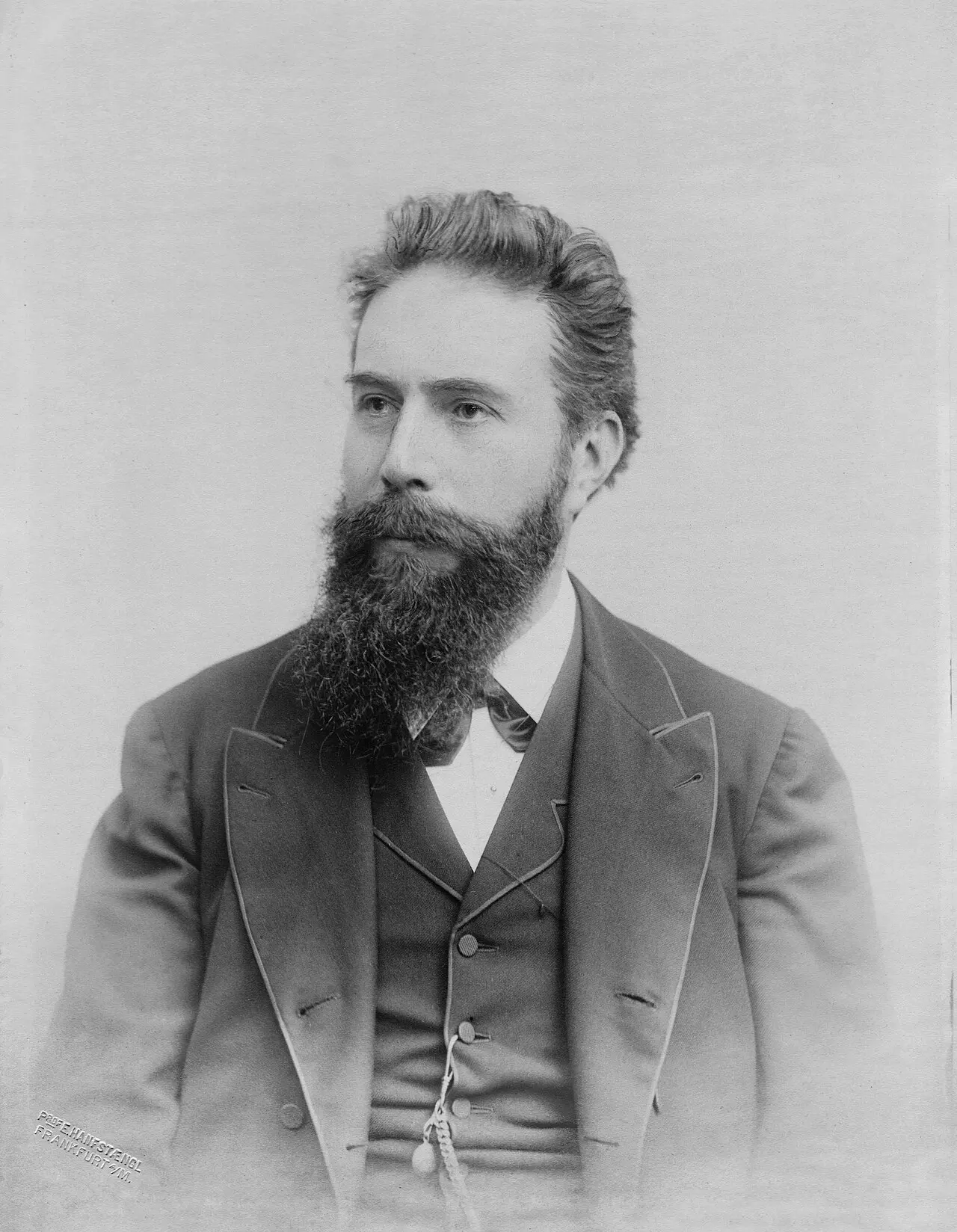
Röntgen published his paper, “On a New Kind of Rays,” on December 28, 1895, and word of the discovery exploded. An Austrian newspaper reported it on January 5, 1896. His public demonstration of the rays before the Physical-Medical Society of Würzburg on January 23, 1896, electrified the scientific world. London papers picked it up within days, and within weeks surgeons were using X-rays to find fractures without the painful manual probing of the past. In 1901, Röntgen received the first Nobel Prize in Physics ever awarded for the discovery — a fitting honor, since nothing before had let humanity see inside a living body without a scalpel.

Today, X-rays scan luggage at airports, reveal cracks in airplane wings, authenticate ancient paintings, and diagnose broken bones in every hospital on Earth. Element 111, roentgenium, is named for him. All of it began with one man, working late on a Friday night, who refused to ignore a light that shouldn't have been there.
Photo: Unknown author, public domain (via Wikimedia Commons).
More images (via Wikimedia Commons, public domain): Röntgen's X-ray of his wife's hand (Wilhelm Röntgen); a portrait of Wilhelm Röntgen (Erwin Hanfstaengl); the Röntgen laboratory at Würzburg (Daderot).