Peace at Last: The Good Friday Agreement
On April 10, 1998, after an all-night final session at Stormont, negotiators signed the Good Friday Agreement, the peace deal that largely ended Northern Ireland's Troubles.
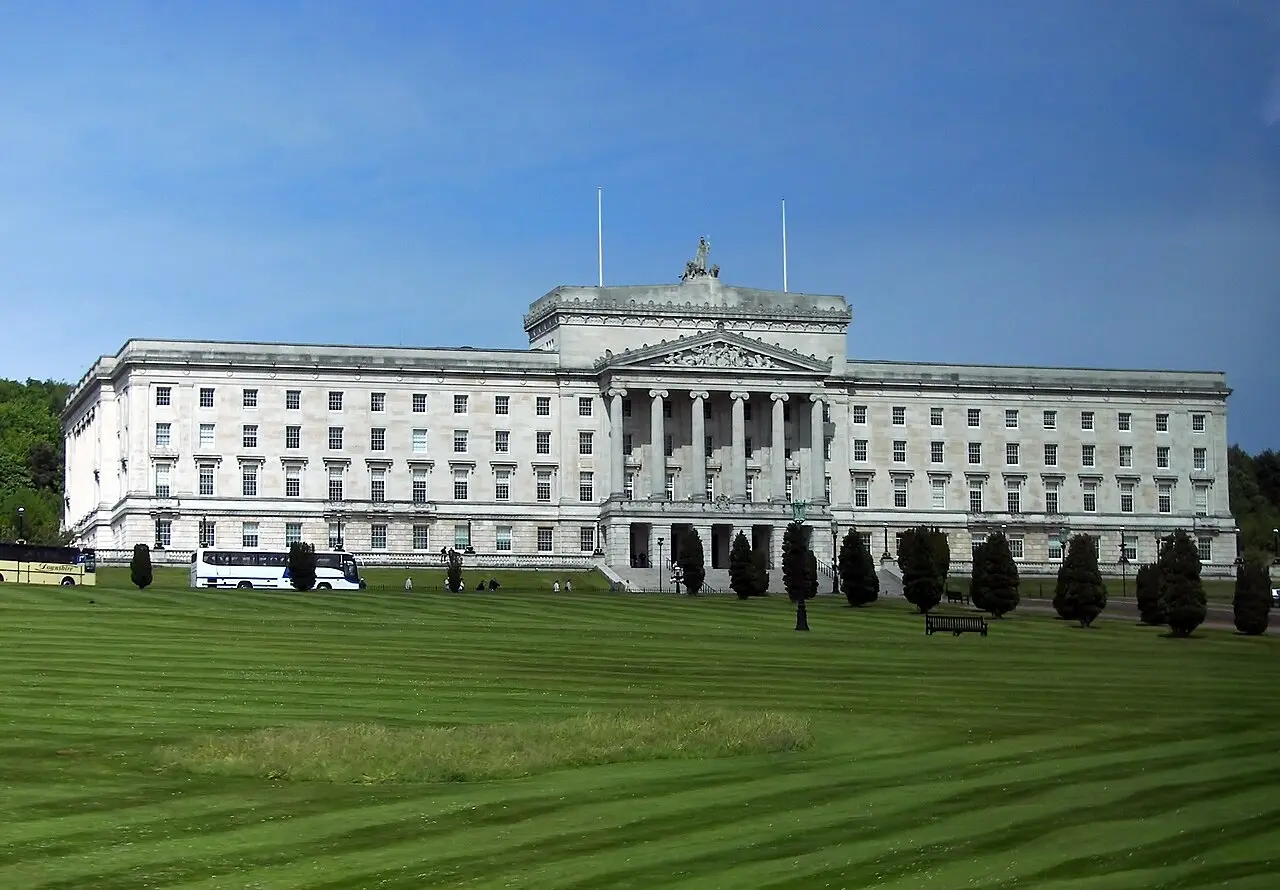
By the morning of Good Friday, April 10, 1998, the negotiators at Stormont had been talking for nearly two days straight. Coffee cups littered the rooms. Sleep-deprived and hoarse, they walked out of Castle Buildings with something Northern Ireland had not seen in decades: a deal.
The conflict they were trying to end — the Troubles — had killed more than 3,200 people since 1969. Bombings, shootings, and assassinations had made Belfast a byword for sectarian violence, pitting those who wanted Northern Ireland to remain part of the United Kingdom against those who wanted it to join the Republic of Ireland. Ceasefires had come and gone. This time, the talks had a hard edge: the chairman, former U.S. Senator George Mitchell, had set a deadline of April 9. British Prime Minister Tony Blair and Irish Taoiseach Bertie Ahern had flown in personally to push the parties over the line.
The agreement they signed that morning — formally the Belfast Agreement, forever known as the Good Friday Agreement — was a careful balancing act. It created a power-sharing government in which unionists and nationalists would govern together. It set up cross-border institutions linking the North and the Republic. It committed paramilitary groups to decommission their weapons, reformed policing, and released prisoners. Nobody got everything; everybody got enough.
Then came the people's verdict. On May 22, 1998, referendums were held on both sides of the border: 71.1 percent voted yes in Northern Ireland, and 94.4 percent in the Republic. That autumn, the Nobel Peace Prize went to the two leaders who had carried the process — John Hume of the SDLP and David Trimble of the Ulster Unionists.
The road to that morning had been anything but smooth. Mitchell's April 9 deadline arrived amid last-minute crises over prisoner releases, the decommissioning of paramilitary weapons, and the shape of the new cross-border bodies. Blair and Ahern flew in for a final push on April 8 and stayed in the building through the night, shuttling between rooms while Mitchell kept the exhausted parties talking until the text was done.
It matters because the agreement did what decades of force could not: it gave the guns no future to fight for. The institutions it built have wobbled, collapsed, and been rebuilt — but the large-scale killing stopped, and a generation has grown up in a Northern Ireland its parents would not have recognized. Peace, the agreement proved, is not the absence of disagreement; it is the decision to argue in a parliament instead of on a street.
Photo: Parliament Buildings, Stormont, Belfast. Photo: Wknight94, CC BY-SA 3.0 (via Wikimedia Commons).