One Vote Away: Andrew Johnson Survives Impeachment
On May 26, 1868, the Senate acquitted President Andrew Johnson on impeachment charges by a single vote — 35 to 19 — setting a precedent for every impeachment since.
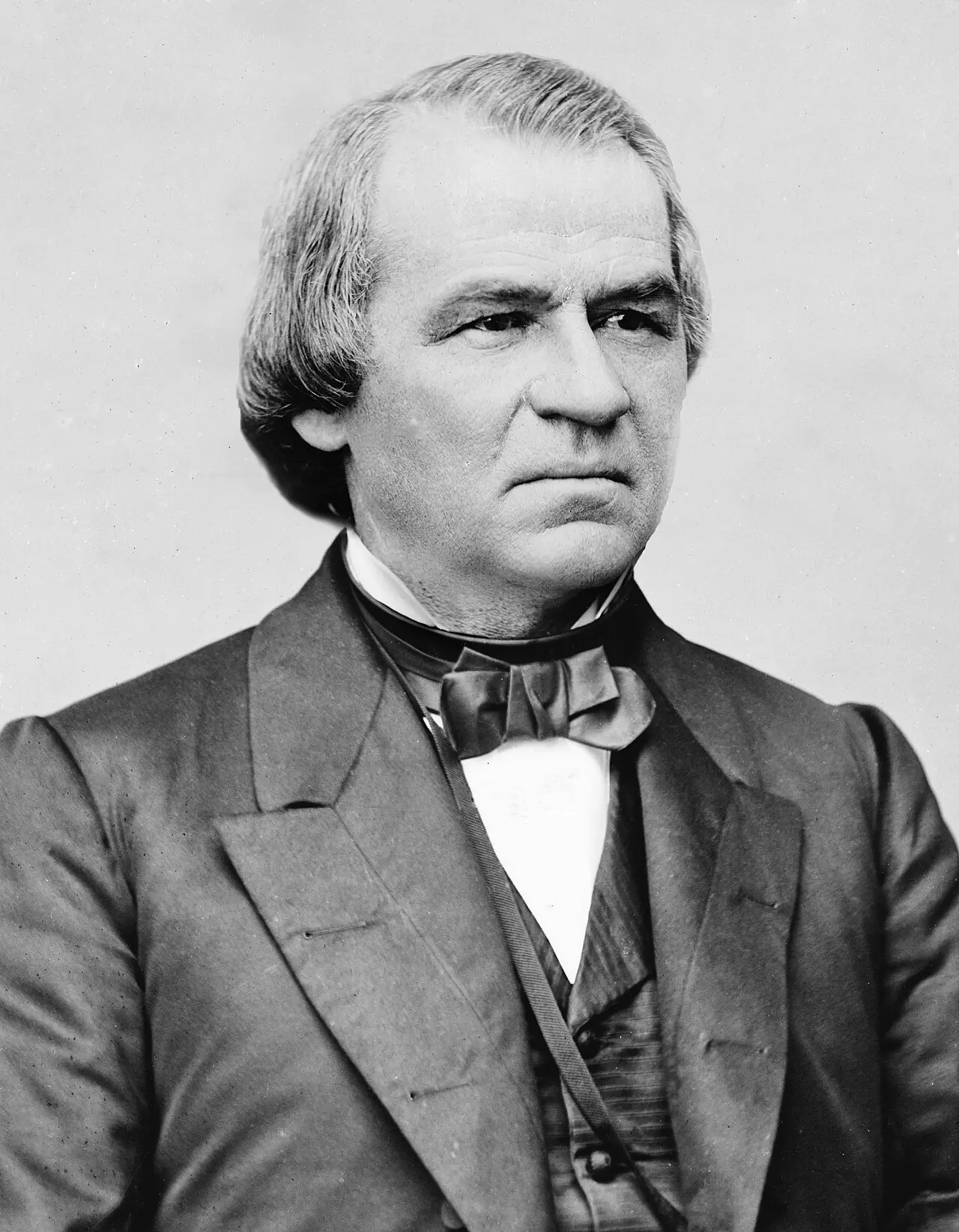
On May 26, 1868, the United States Senate chamber was packed to the rafters, and the fate of a president came down to a single vote.
Three years after the Civil War, President Andrew Johnson was at war with Congress. The Tennessee Democrat — Abraham Lincoln's vice president, thrust into the presidency by assassination — had spent his term fighting the Radical Republicans over Reconstruction, the rebuilding of the defeated South. Congress passed law after law to protect the rights of newly freed Black Americans and keep the South under military supervision. Johnson vetoed them; Congress overrode him.
The breaking point came when Johnson fired his Secretary of War, Edwin Stanton, and replaced him with an ally named Lorenzo Thomas — openly defying the Tenure of Office Act, a law Congress had passed to stop him from doing exactly that. On February 24, 1868, the House of Representatives impeached him on eleven articles, most of them centered on Stanton's removal. Johnson, the first American president ever impeached, did not attend a single day of his own trial.
The Senate trial dragged on for two months. On May 16, the Senate voted on Article XI: 35 senators voted to convict, 19 to acquit — one vote short of the two-thirds majority needed to remove him. Everything then hung on the remaining votes. On May 26, the Senate voted on Articles II and III. The result was the same both times: 35 to 19. Johnson was acquitted, and the Senate adjourned, ending the trial.
The margin came down to seven Republican senators who broke with their own party — men like Edmund Ross of Kansas, whose vote proved decisive. They had been disturbed by how the proceedings had been stacked against the president, and they paid for their consciences: Ross and the others were denounced as traitors by their party, and most never held office again.
Johnson finished out his term, politically ruined. Ulysses S. Grant won the presidency that November. The Tenure of Office Act itself was eventually repealed, and in 1926 the Supreme Court declared in Myers v. United States that the law had been unconstitutional all along — Johnson, it turned out, had been right on the law.
Why it matters: the acquittal drew a line the country has never crossed since. It established that a president cannot be removed simply because Congress disagrees with him — a precedent every impeachment since has had to reckon with. Today, visitors to the Andrew Johnson National Historic Site in Tennessee still cast their own verdict each year on May 26, the anniversary of the vote. Nearly 160 years later, the country is still arguing about that one vote — which is exactly what the framers of the Constitution intended.
Photo: public domain (via Wikimedia Commons).