The Sealed Door to King Tut's Burial Chamber Opens
On February 16, 1923, Howard Carter opened the sealed doorway to Tutankhamun's burial chamber, revealing gilded shrines, a stone sarcophagus, and the most complete pharaonic tomb ever found.
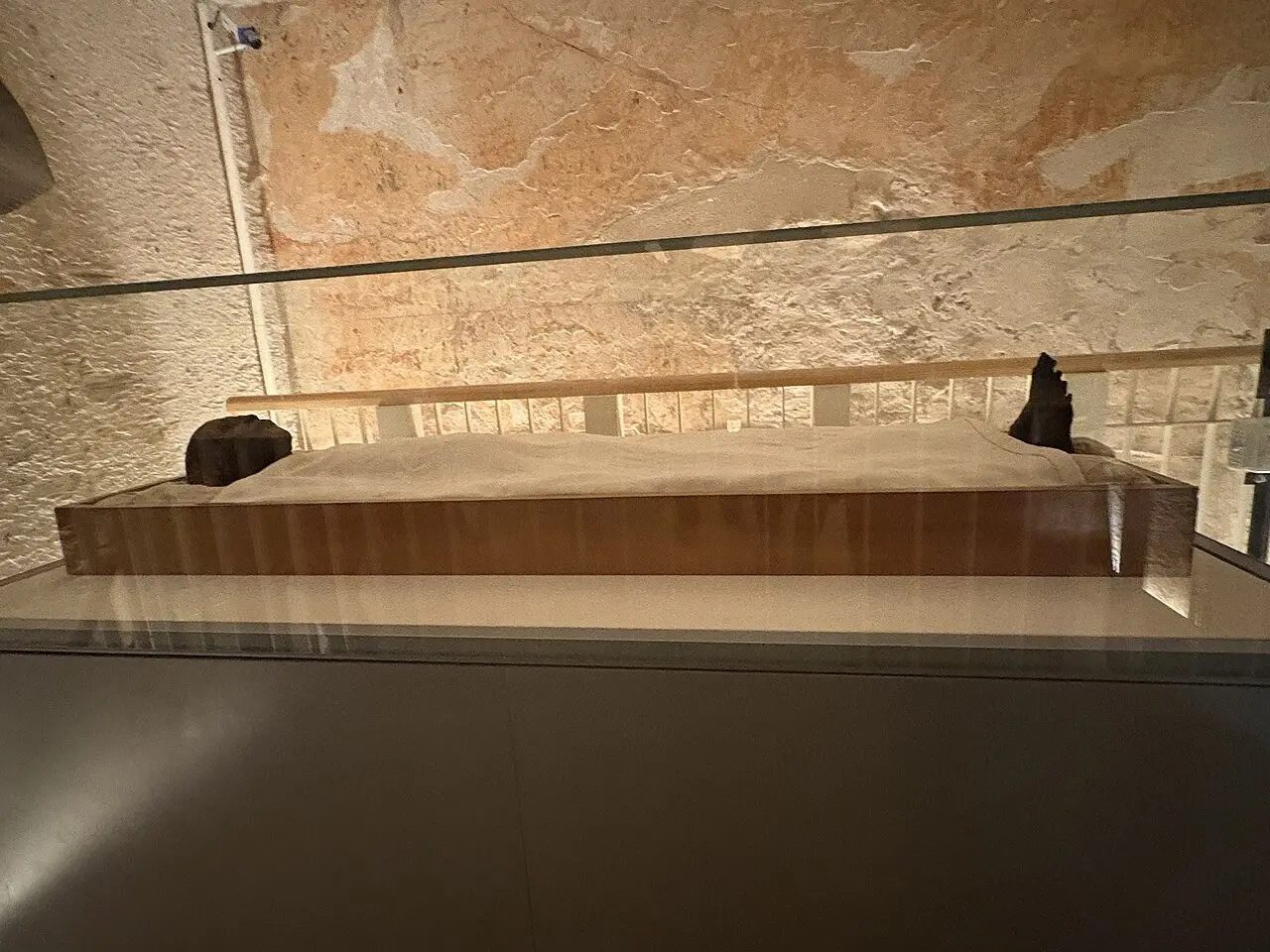
For more than 3,000 years, no living eye had seen what lay behind the sealed doorway in the tomb of the boy king. On February 16, 1923, Howard Carter was about to change that.
Carter had been digging in Egypt's Valley of the Kings for years, backed by the wealthy Lord Carnarvon. His hunt for the tomb of the little-known pharaoh Tutankhamun had come up empty so many times that Carnarvon nearly pulled the funding. Carter begged for one more season. On November 4, 1922, his workmen uncovered a flight of steps cut into the rock. Three weeks later, on November 26, Carter peered through a small breach in a sealed door and, by candlelight, glimpsed gold everywhere.
But Carter and Carnarvon had only entered the tomb's antechamber. Behind a second sealed wall lay the burial chamber itself, and Carter spent nearly three months carefully cataloguing and clearing the antechamber's treasures first. Finally, on February 16, 1923, with Egyptian government officials looking on, Carter opened the sealed doorway to the last chamber.
Inside stood four nested shrines of gilded wood, one inside the other, nearly filling the room. They enclosed a stone sarcophagus. It would take more digging to learn that the sarcophagus held three coffins nested within it, the innermost made of solid gold and containing the mummified body of the young king. Among the tomb's other riches were jewelry, statues, weapons, clothing, and a chariot — more than 2,000 objects in all.
Clearing and recording the tomb took Carter about ten years. Most of the treasures went to the Egyptian Museum in Cairo, where many remain today. The discovery also gave rise to the legend of the "curse of the pharaohs," the idea that those who disturbed the tomb were doomed. According to legend, the curse struck Lord Carnarvon, who died in Cairo in April 1923 from an infected insect bite — though Carter himself lived until 1939.
The opening of that doorway mattered because Tutankhamun's tomb was the most complete pharaonic tomb ever found. Nearly every other royal tomb had been robbed in ancient times. This one, hidden by debris and rubble, survived almost untouched, giving the world an unprecedented window into ancient Egypt — and turning a forgotten boy king into the most famous pharaoh of all.
Photo: public domain photograph of Tutankhamun's sarcophagus inside the burial chamber of his tomb (KV62) in the Valley of the Kings (via Wikimedia Commons).