15,000 Women, One March: The Roots of International Women's Day
On March 8, 1908, some 15,000 women marched through New York City for better pay, shorter hours, and the vote — the protest that grew into International Women's Day.
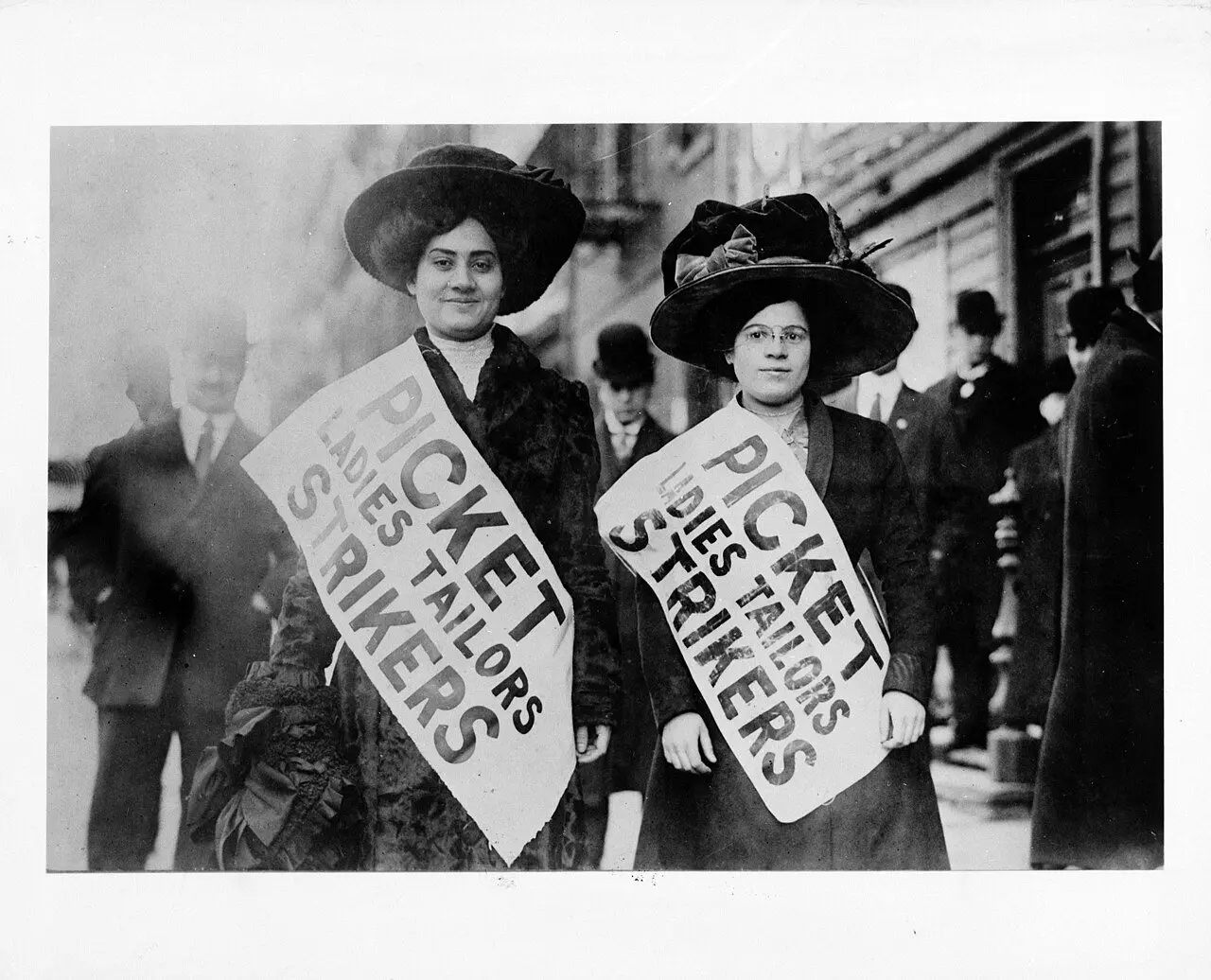
On the morning of March 8, 1908, the streets of New York's Lower East Side filled with women. Marching behind banners, some 15,000 of them — most of them garment workers, many of them young immigrants — wound through Manhattan demanding shorter hours, better pay, and the right to vote. It was one of the largest demonstrations by women the city had ever seen, and it planted the seed of a holiday now celebrated around the world.
The marchers had plenty to protest. New York's needle trades were notorious sweatshops: long days, miserable wages, dangerous conditions. In some shops the women even had to pay for their own needles, thread, and chairs. And though women powered the city's garment industry, they were shut out of its politics — American women would not win the vote nationally for another twelve years.
The 1908 march was organized by socialist women, and it struck a chord. The following year, the Socialist Party of America declared the first National Woman's Day in the United States, held on February 28, 1909. Then, in 1910, at an international conference of socialist women in Copenhagen, the German activist Clara Zetkin proposed a truly international day. More than a hundred women from seventeen countries agreed unanimously.
The first International Women's Day was observed in 1911 in Austria, Denmark, Germany, and Switzerland, where hundreds of thousands rallied for voting rights and workplace protections. The date soon settled on March 8 — the anniversary of the 1908 New York march. And the day kept making history: on March 8, 1917, women textile workers in Petrograd, Russia, poured into the streets demanding bread and peace, helping to ignite the revolution that toppled the czar and won Russian women the vote.
It took decades longer for the day to go fully global. The United Nations formally recognized March 8 as International Women's Day in 1975, and today it is observed in countries on every continent — part celebration of how far women have come, part reminder of how far remains.
Holidays usually honor the past; this one was born as a demand for the future. The 1908 marchers asked for things we now take for granted — a workday with an end, a wage you can live on, a ballot with your name on the roll. Every March 8, the world pauses to measure how much of their march has been completed.
Photo: U.S. National Archives, public domain (via Wikimedia Commons). The photograph shows two women picketing during the Ladies Tailors Strike in New York in February 1910 — part of the same wave of garment-worker protest as the 1908 march.