
The Day America Invented the National Park
On March 1, 1872, President Ulysses S. Grant signed the Yellowstone National Park Protection Act, creating the world's first national park.
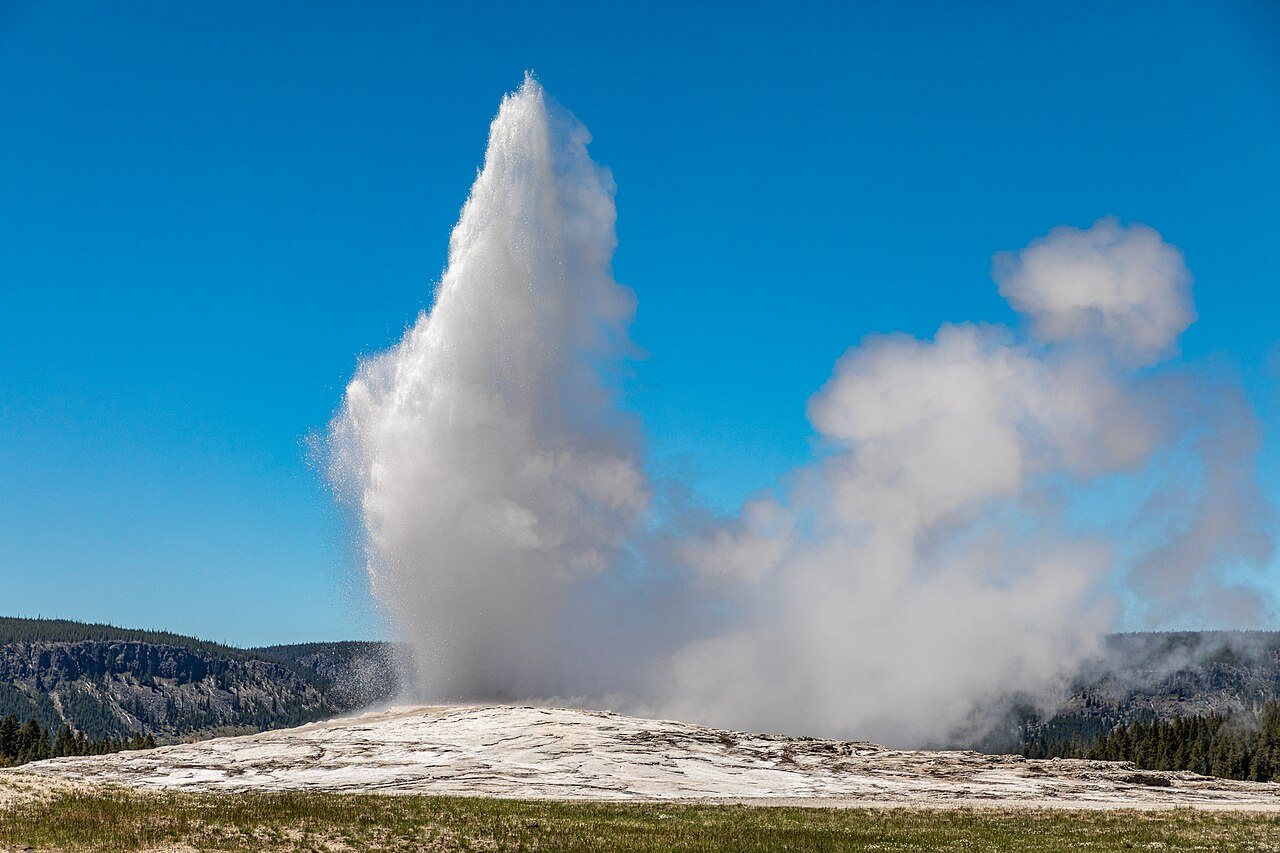
On March 1, 1872, President Ulysses S. Grant sat down with a pen and did something no head of state had ever done: he signed a law setting aside an enormous stretch of wilderness "dedicated and set apart as a public park or pleasuring-ground for the benefit and enjoyment of the people." With that signature, Yellowstone became a national park — the first in the world.
The story really starts the summer before. In 1871, geologist Ferdinand V. Hayden led a federally funded survey into the Yellowstone region of what is now Wyoming, Montana, and Idaho. Hayden brought two secret weapons: photographer William Henry Jackson and painter Thomas Moran. When the expedition returned to Washington, Jackson's photographs and Moran's luminous paintings — including his famous Grand Canyon of the Yellowstone — were exhibited before Congress. Lawmakers who had yawned at written reports suddenly saw geysers erupting, canyons glowing, and hot springs steaming in impossible colors. As Captain Hiram Chittenden of the Army Corps of Engineers later wrote, their work "doubtless convinced everyone who saw them that the regions where such wonders existed should be preserved to the people forever."
The act Grant signed on March 1 withdrew more than two million acres from settlement, occupancy, and sale — an area larger than Delaware and Rhode Island combined. It placed the land under the Secretary of the Interior with orders to preserve the timber, minerals, and "natural curiosities" in their natural condition and to guard against the wanton destruction of fish and game. The motive was partly practical: Congress feared that private developers would carve up the geysers and hot springs for profit, fencing ordinary Americans out of their own wonders.
Yellowstone's 10,000 thermal features — including more than 500 geysers, over half of all the erupting hot springs on Earth — were the star attraction, along with the largest concentration of mammals on the U.S. mainland: bison, grizzlies, elk, wolves, and more. The park's full story is more complicated, though. For thousands of years the land was used by dozens of tribes, including the Shoshone, Crow, and Nez Perce, and the new park's creation eventually pushed Indigenous people out entirely. For years the park even promoted itself as untouched wilderness — a myth historians have since dismantled.
Still, the idea caught fire. Yellowstone became the template for a national park movement that now protects more than 400 sites across the United States — 63 of them national parks — and inspired countries around the globe to set aside their own treasures. The phrase Grant signed into law, "for the benefit and enjoyment of the people," remains the mission statement of public land conservation to this day.
Photo: Dietmar Rabich, CC BY-SA 4.0 (via Wikimedia Commons).