The Day the World Drew a Line in the Stars
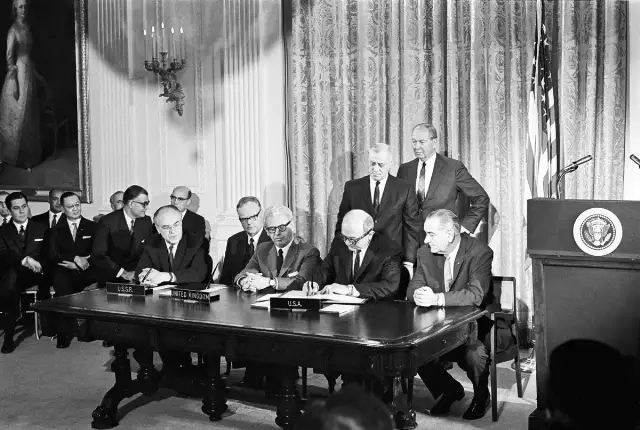
On January 27, 1967, the United States, the Soviet Union, and Britain signed the Outer Space Treaty — the law that still keeps nuclear weapons off the Moon and out of orbit.


On January 27, 1967, the United States, the Soviet Union, and Britain signed the Outer Space Treaty — the law that still keeps nuclear weapons off the Moon and out of orbit.
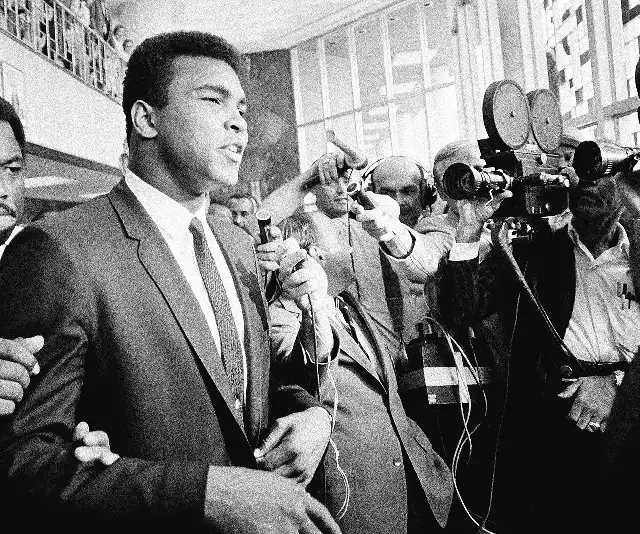
On April 28, 1967, heavyweight champion Muhammad Ali refused induction into the U.S. Army, sacrificing his title, his career, and his freedom for his beliefs.
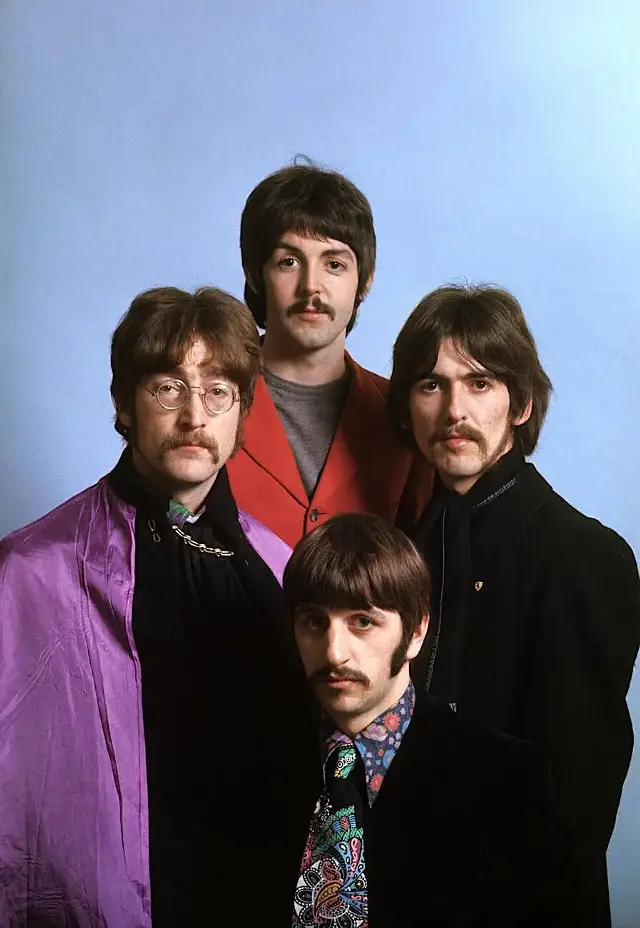
On June 1, 1967, the Beatles released Sgt. Pepper's Lonely Hearts Club Band in Britain, the album that turned pop records into high art.
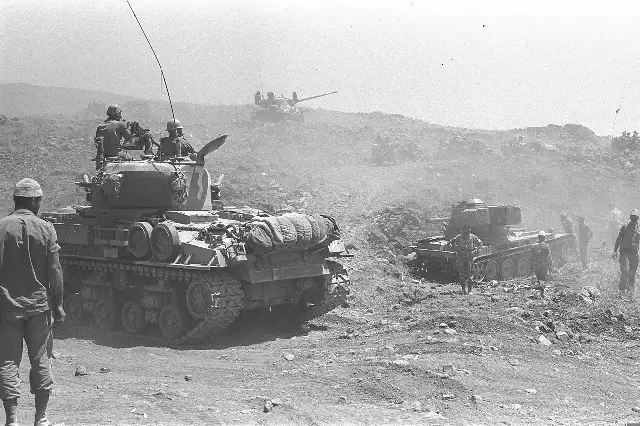
On June 10, 1967, a UN-brokered ceasefire ended the Six-Day War, leaving Israel holding lands more than double its size and redrawing the Middle East map for decades to come.
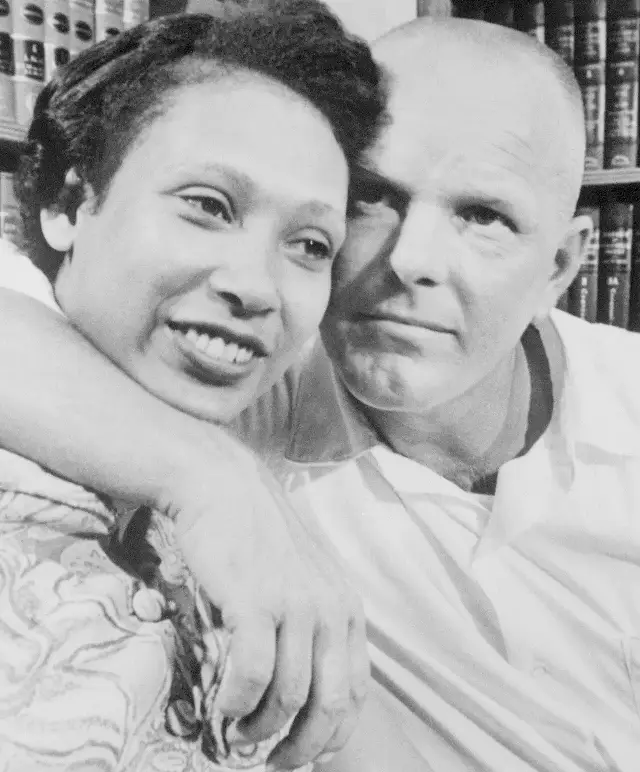
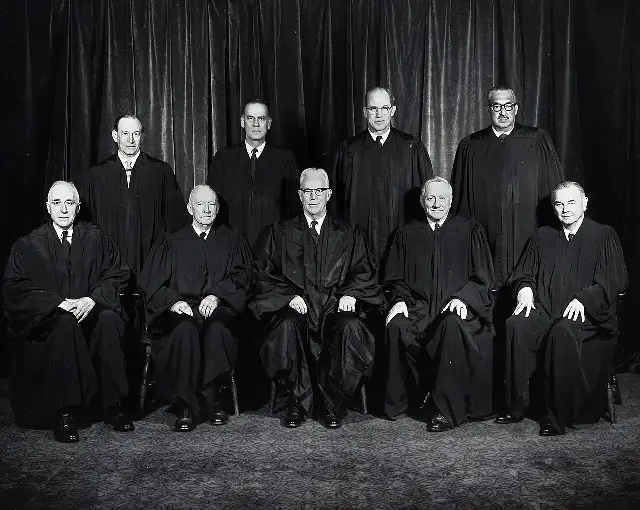
On June 12, 1967, the Supreme Court unanimously struck down every state law banning interracial marriage, freeing the Lovings of Virginia and millions of couples to come.
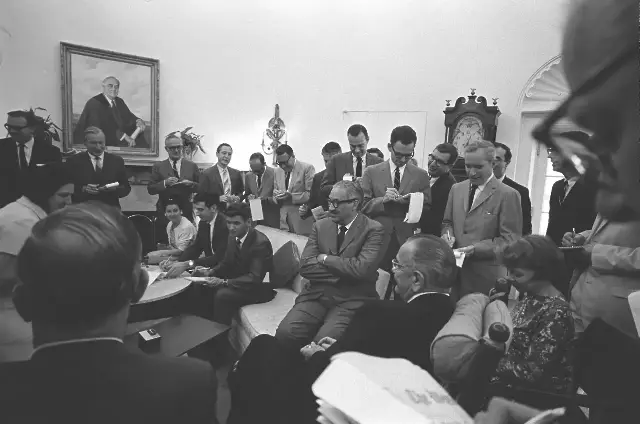
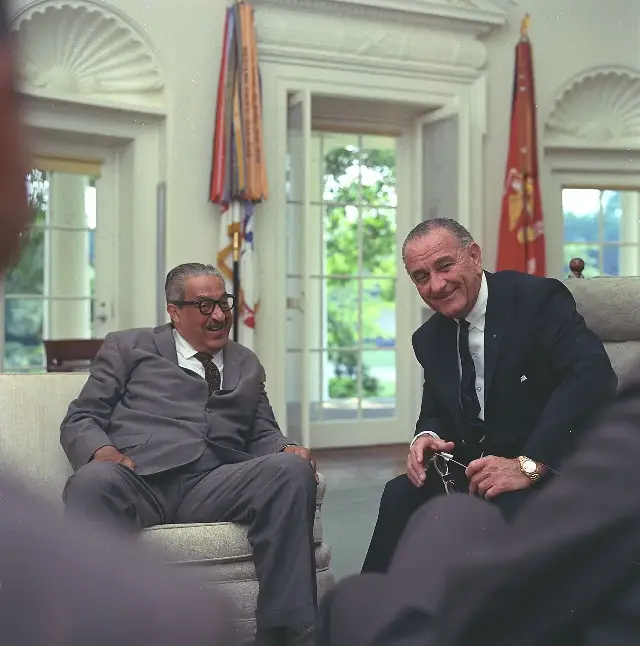
On June 13, 1967, President Lyndon Johnson nominated Thurgood Marshall to the Supreme Court, putting the first Black justice on America's highest court.
On August 30, 1967, the Senate confirmed Thurgood Marshall 69–11, making him the first Black justice in Supreme Court history.
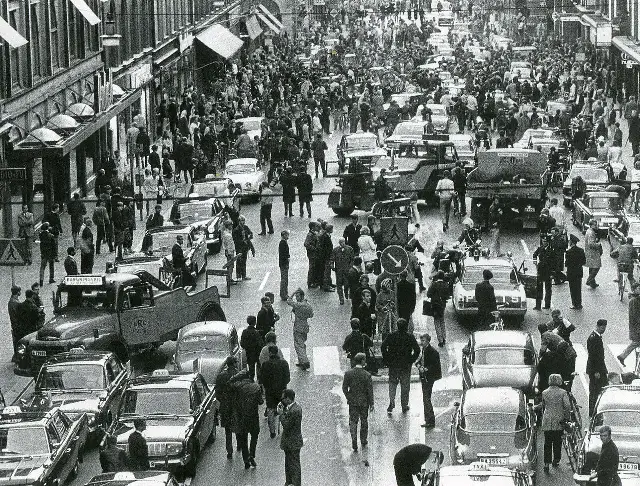
On September 3, 1967, at 5 a.m. sharp, all of Sweden moved its cars from the left side of the road to the right — and pulled it off.
On October 2, 1967, Thurgood Marshall was sworn in as the first Black justice of the U.S. Supreme Court — the great-grandson of an enslaved man, now the Court's 96th justice.
On October 8, 1967, Bolivian soldiers surrounded Che Guevara in a remote ravine and took him prisoner — ending the revolutionary's last campaign.
On November 27, 1967, Capitol Records released Magical Mystery Tour as an 11-track American LP — and accidentally created the version of the album the world would keep.