The Eleventh Hour: How the Guns Fell Silent on November 11, 1918
On November 11, 1918, an armistice signed in a French railway carriage ended the Great War at the eleventh hour — and gave the world a day of remembrance.
At exactly 11 a.m. on a cold Monday morning in 1918, the noisiest stretch of Earth fell silent.
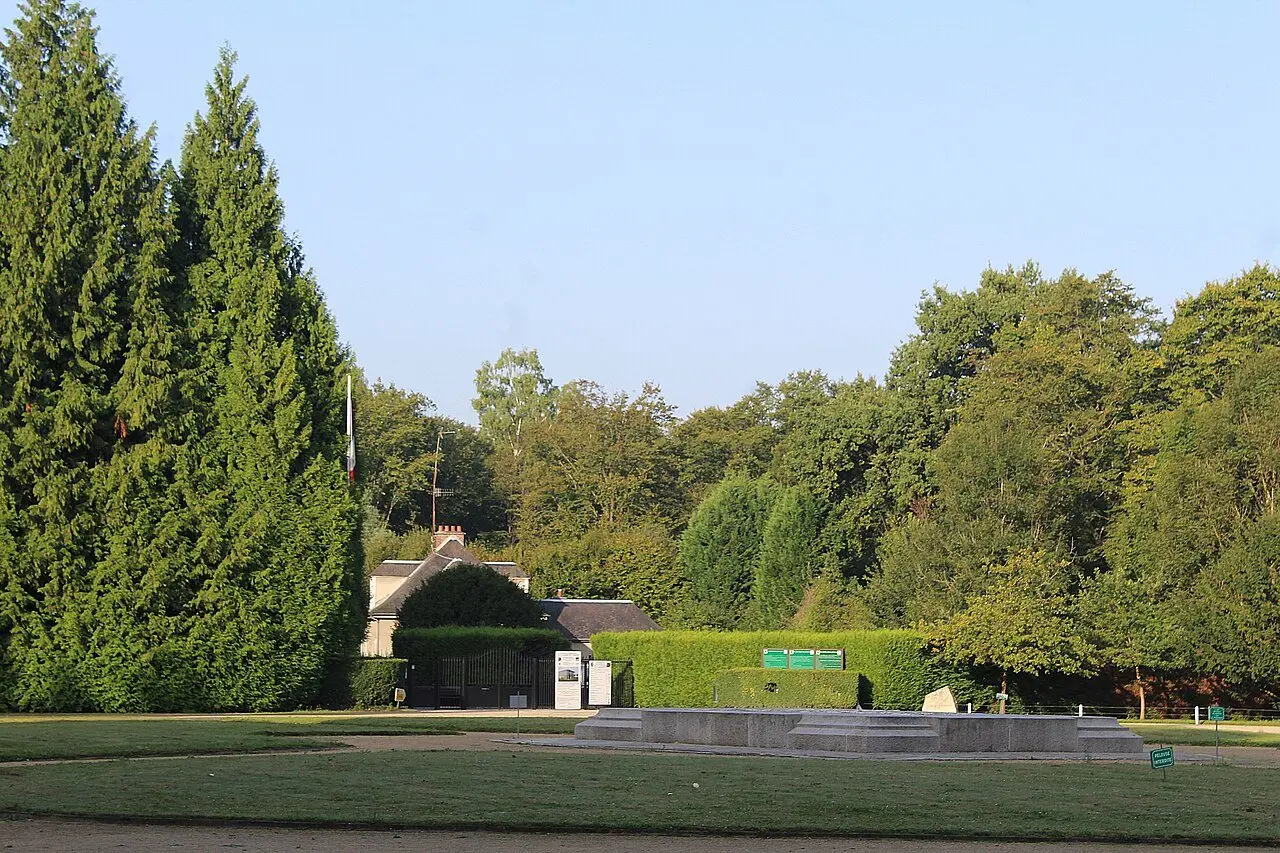
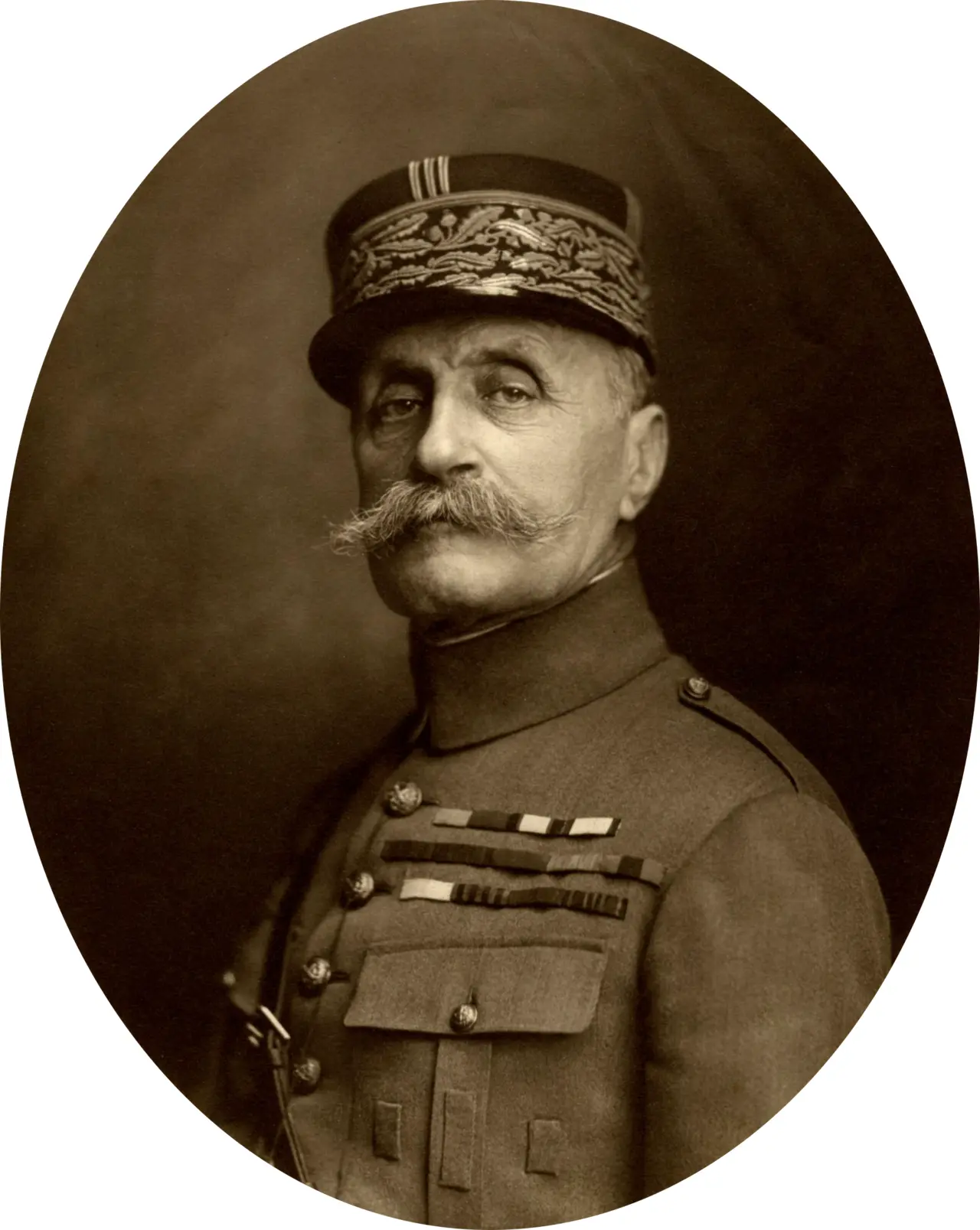
Just hours earlier, in a railway carriage parked in a forest clearing about 65 kilometers northeast of Paris, the Great War had been ended on paper. The setting was deliberate: the Glade of the Armistice was a secret, defensible spot deep in the Forest of Compiègne, and the carriage was Foch's own mobile headquarters, hauled into the woods for the occasion. There, Allied Supreme Commander Ferdinand Foch faced a German delegation led by Matthias Erzberger. Foch's terms were uncompromising — Germany would withdraw from occupied territory, surrender vast quantities of weapons, accept Allied occupation of the Rhineland, and keep enduring the naval blockade — and there would be no negotiation. Germany, its armies disintegrating and its people going hungry, accepted.
The agreement was signed in the early hours of November 11. The ceasefire itself was set for 11:00 a.m. — six hours later — so that word could travel to the front lines.
Those six hours were surreal. Along the Western Front, soldiers who had lived under artillery fire for more than four years waited for a clock to save them. In some sectors the guns fired until the final minutes; in others, fighting sputtered on into the afternoon before the news arrived. Then, at the eleventh hour of the eleventh day of the eleventh month, the thunder stopped — from the North Sea to the Swiss frontier.
The cost of those four years and three months was staggering: some nine million soldiers dead and 21 million wounded, with at least five million civilians dying from disease, starvation, or exposure.
The armistice was not peace — it was a ceasefire, renewed several times until a formal treaty was signed at Versailles the following year. But November 11 became the day the world chose to remember. The date was declared a national holiday in many Allied nations. France and Belgium still observe it as one; across the Commonwealth it became Remembrance Day, and in the United States it became Veterans Day — a day for the moment of silence at 11 a.m. and the red poppy, the flower that bloomed across the battlefields of Flanders.
More than a century later, the eleventh hour of the eleventh day is still marked with silence at war memorials around the world — a reminder that the most hopeful sentence in military history is simply this: the guns fell silent.
Photo: Dguendel, CC BY 4.0 (via Wikimedia Commons).
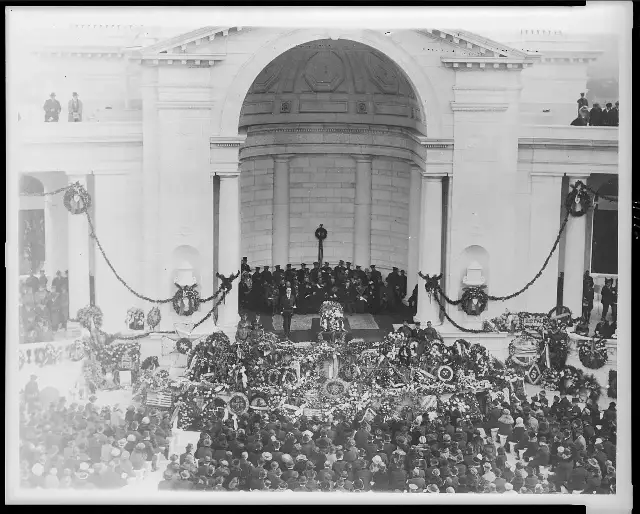
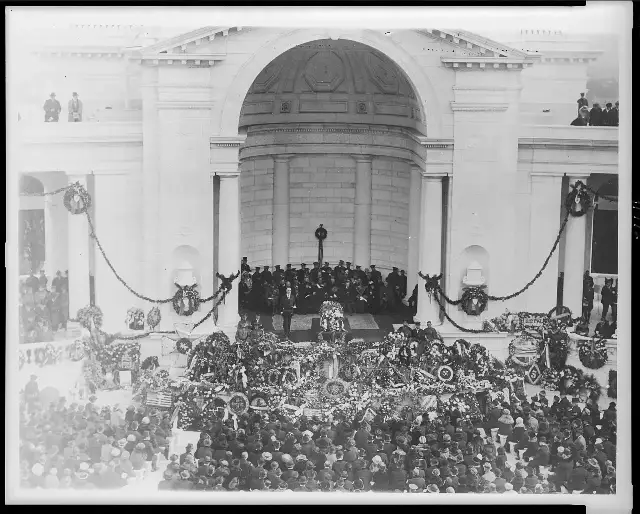
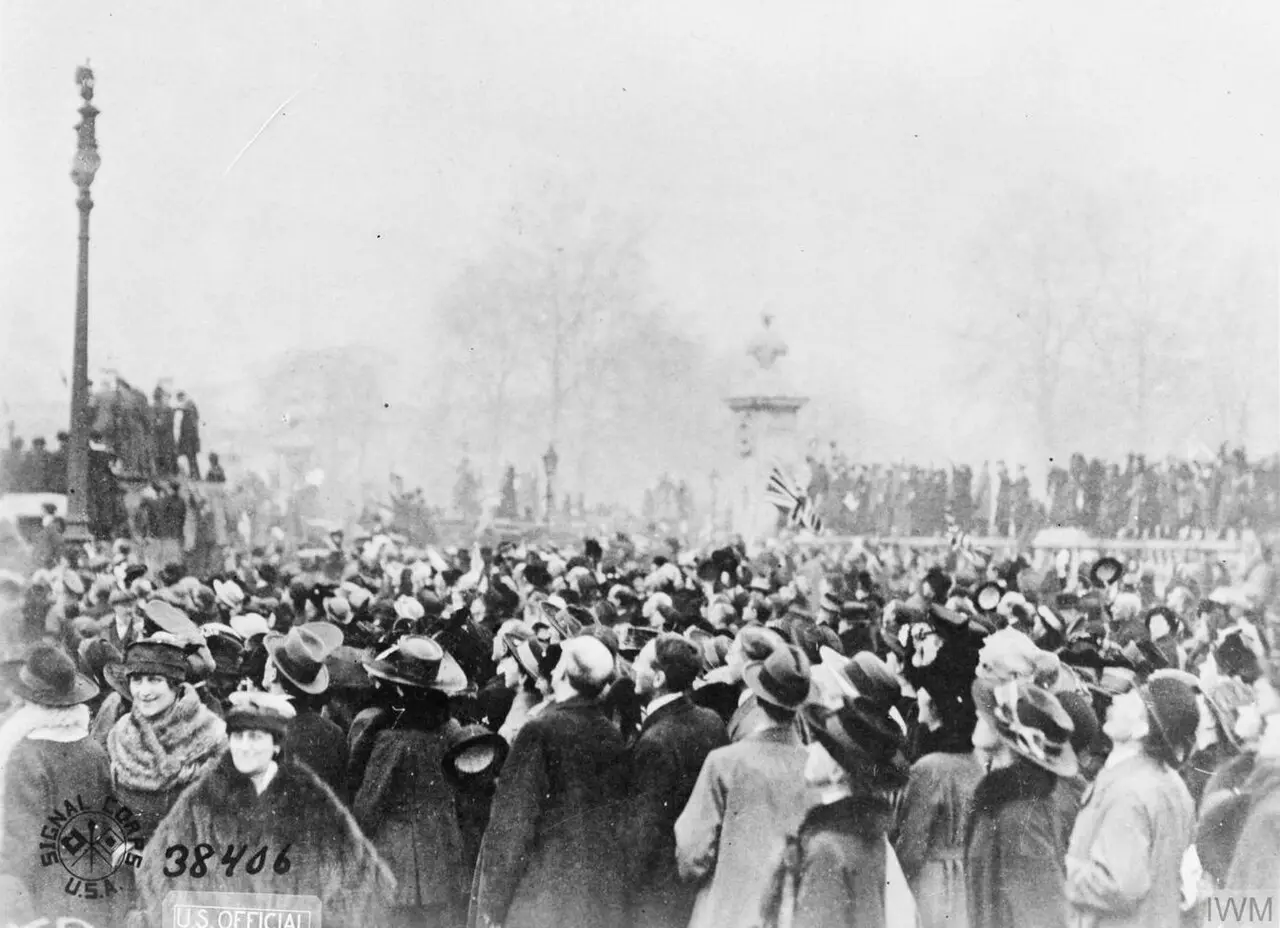
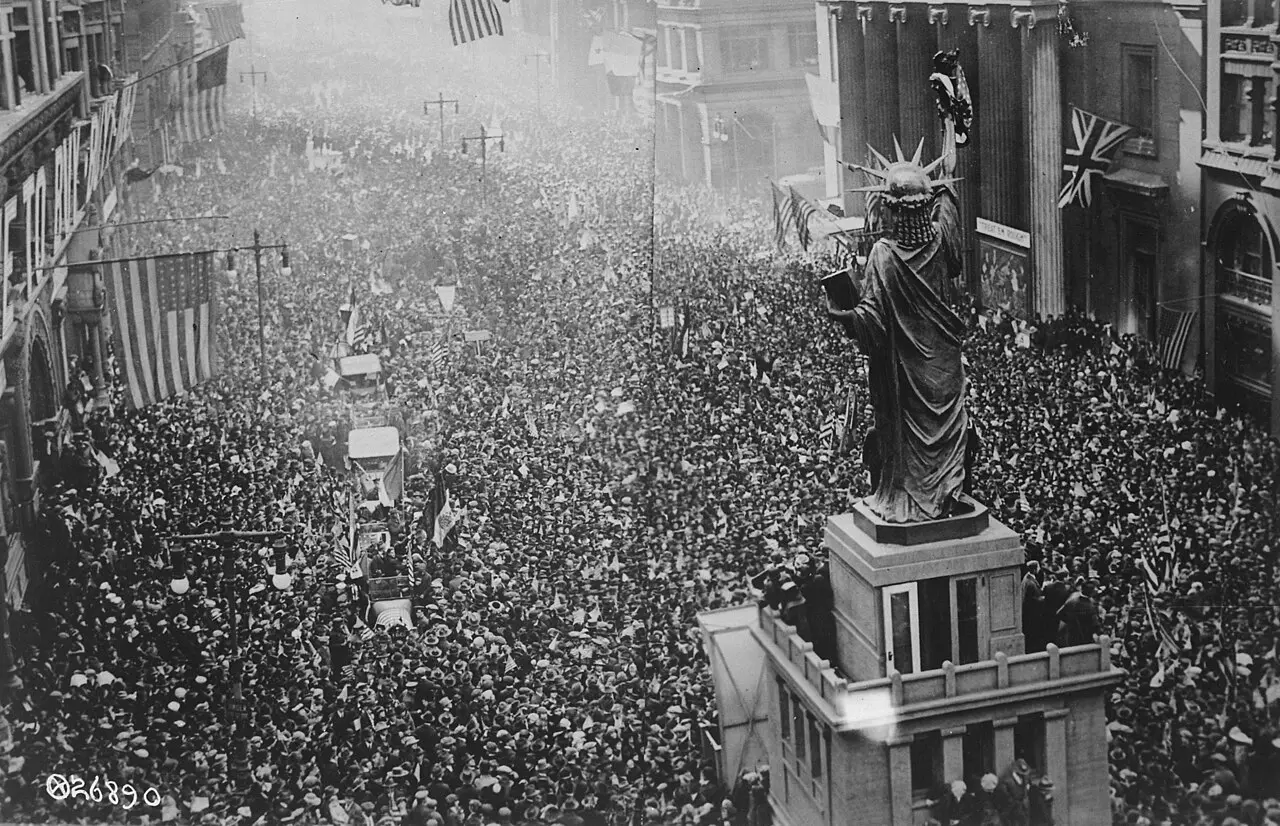
More images (via Wikimedia Commons, public domain): Armistice Day crowds in London, 11 November 1918 (American official photograph); the announcement of the armistice, November 11, 1918; Marshal Ferdinand Foch (R. Melcy).