Ike's Warning: The 'Military-Industrial Complex' Speech
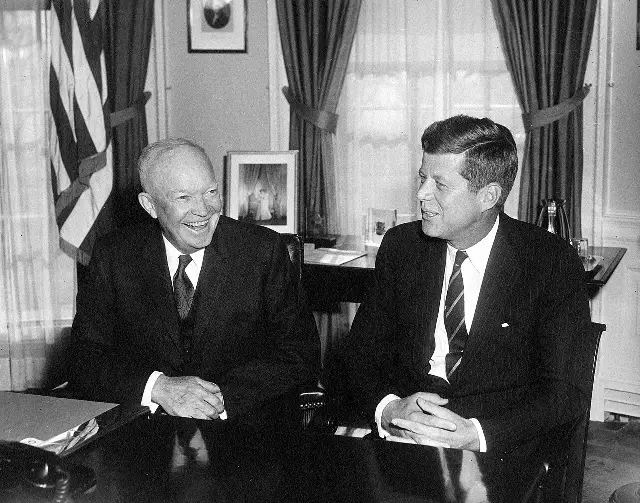
On January 17, 1961, President Dwight D. Eisenhower used his farewell address to warn Americans against the 'military-industrial complex.'


On January 17, 1961, President Dwight D. Eisenhower used his farewell address to warn Americans against the 'military-industrial complex.'
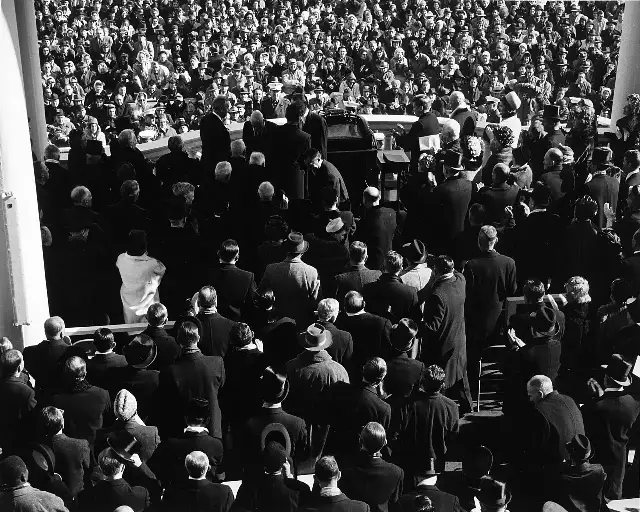
On January 20, 1961, John F. Kennedy took the oath as the 35th president and delivered his immortal 'ask not' inaugural address.
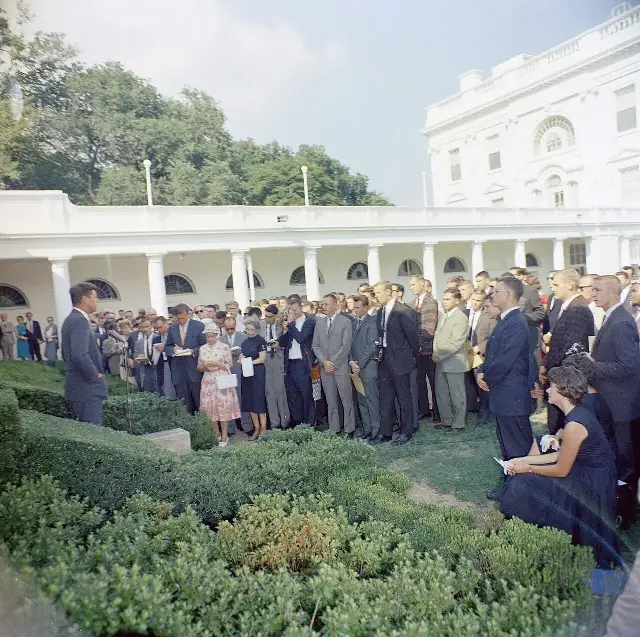
Exhausted and campaigning at 2 a.m. in Michigan, John F. Kennedy challenged students to serve abroad — and on March 1, 1961, that dare became the Peace Corps.
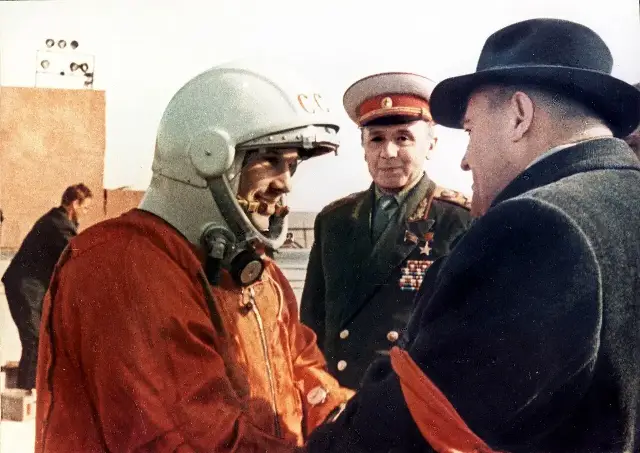
On April 12, 1961, Soviet pilot Yuri Gagarin rode the Vostok 1 capsule once around the Earth in 108 minutes, becoming the first human being in space.
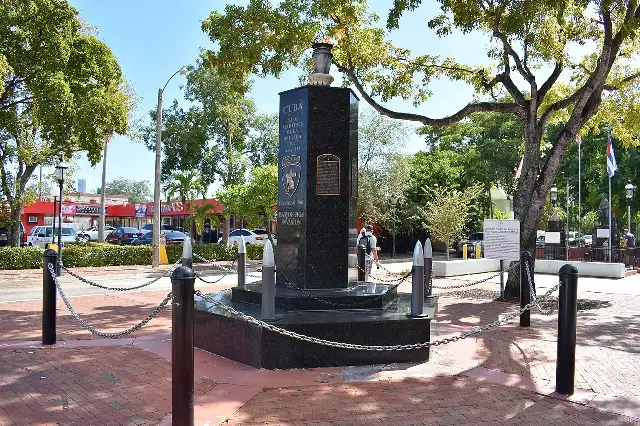
On April 17, 1961, some 1,400 CIA-trained Cuban exiles stormed ashore at the Bay of Pigs — and within three days the invasion had collapsed.
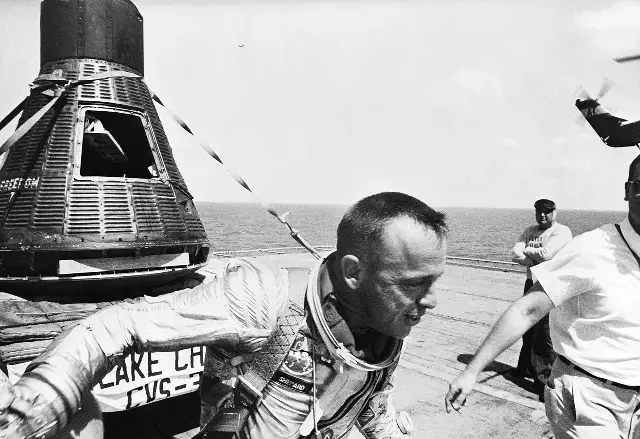
On May 5, 1961, Navy pilot Alan Shepard rode a Redstone rocket 116 miles up and became the first American in space — 23 days after the Soviets got there first.
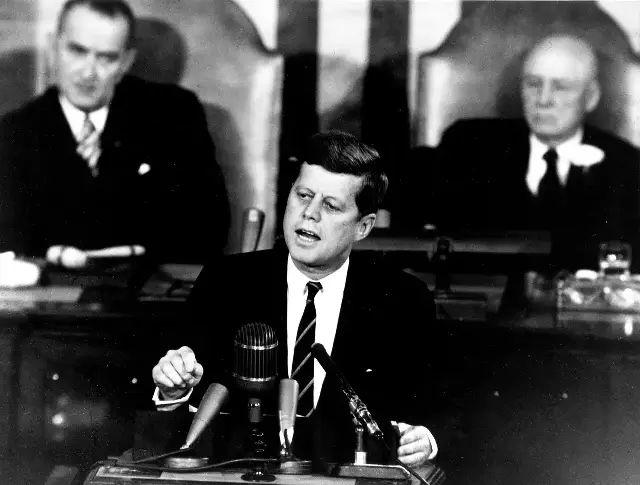
On May 25, 1961, President Kennedy told Congress America would land a man on the Moon before the decade was out — before NASA had even orbited an astronaut.
On May 28, 1961, British lawyer Peter Benenson's Observer article "The Forgotten Prisoners" launched the letter-writing campaign that became Amnesty International.
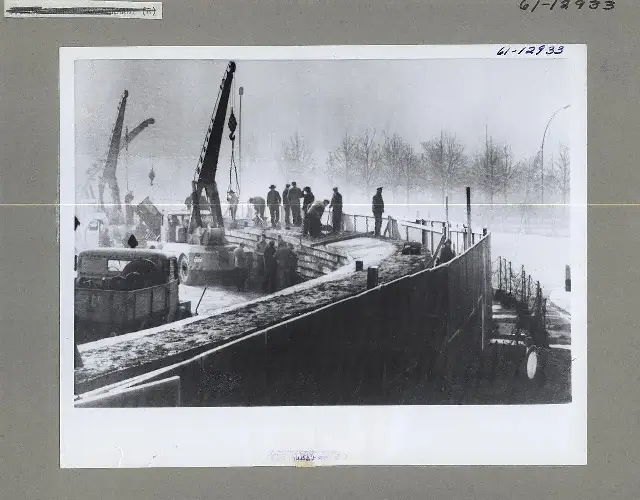
In the early hours of August 13, 1961, East German troops sealed off West Berlin and began building the wall that would divide the city for 28 years.
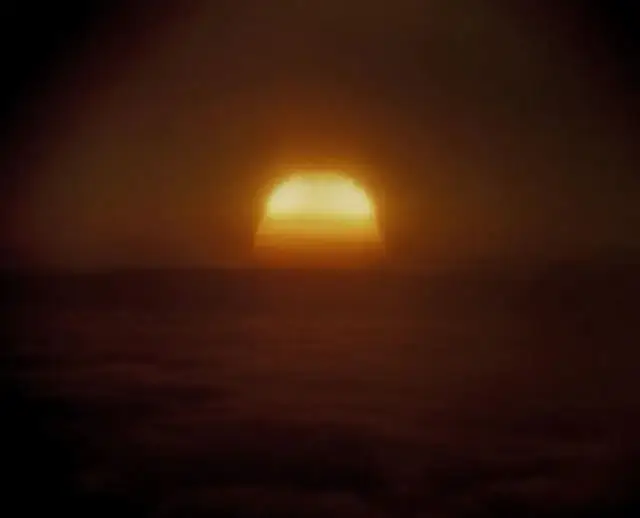
On October 30, 1961, the Soviet Union detonated the most powerful nuclear weapon ever built over Novaya Zemlya, a blast thousands of times stronger than Hiroshima.
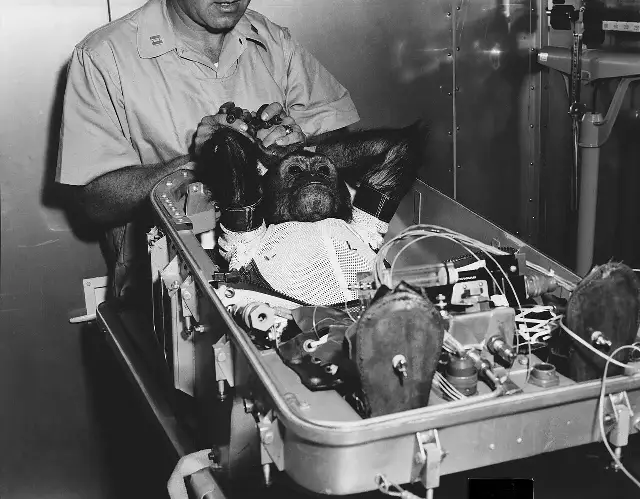
On November 29, 1961, a five-year-old chimpanzee named Enos rode NASA's Mercury-Atlas 5 into orbit — and when a faulty lever shocked him dozens of times, he kept working anyway.