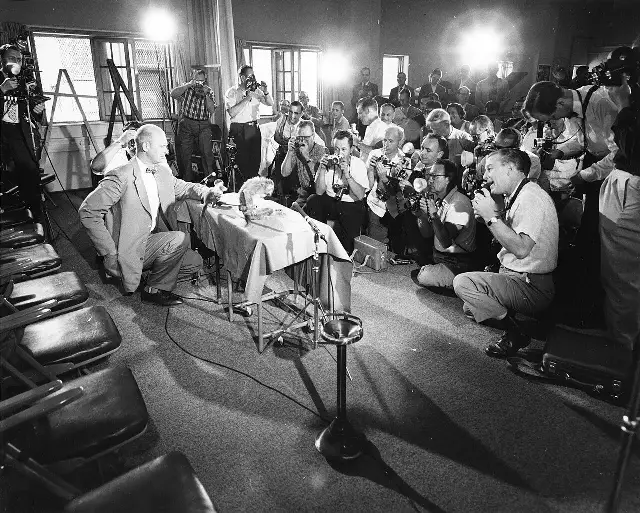
A Letter That Launched Amnesty International
On May 28, 1961, British lawyer Peter Benenson's Observer article "The Forgotten Prisoners" launched the letter-writing campaign that became Amnesty International.
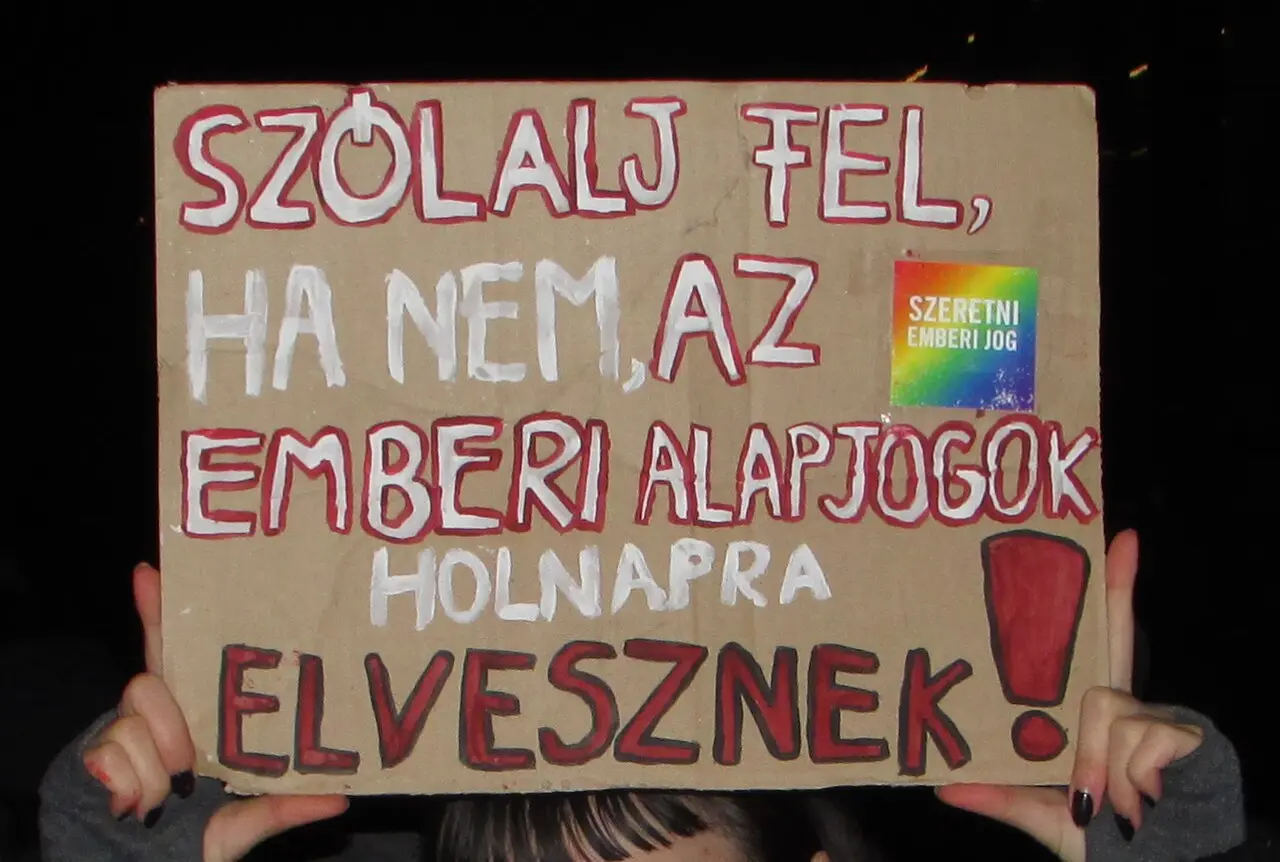
It started with one angry man and a newspaper.
In 1961, Peter Benenson — a British lawyer who had once worked at the wartime codebreaking center at Bletchley Park — was outraged by a newspaper report that two Portuguese students had been sentenced to prison for raising their glasses in a toast to freedom. Portugal was then ruled by António de Oliveira Salazar's authoritarian Estado Novo, where even a toast could be treated as subversion. Benenson decided somebody had to do something — and that the somebody could be ordinary people writing letters.
On May 28, 1961, the British newspaper The Observer published his article, "The Forgotten Prisoners." Citing Articles 18 and 19 of the Universal Declaration of Human Rights — freedom of thought and expression — Benenson announced a one-year "Appeal for Amnesty, 1961" and called for "common action." He asked readers to write letters on behalf of "prisoners of conscience": people imprisoned for opinions they honestly held, without advocating violence.
The response stunned him. The article was reprinted in newspapers around the world, and letters poured in from readers volunteering to help. Within a year, small groups of letter-writers had sprung up in more than a dozen countries, each "adopting" prisoners and writing on their behalf.
Two months after the article appeared, Benenson and six other men met in London and formally founded Amnesty International. They were deliberately cross-party — a Conservative, a Liberal, and a Labour MP were among the founders — because the new movement insisted it would defend prisoners in the East, the West, and the developing world alike, never becoming a tool of any government or ideology. The candle wrapped in barbed wire became its symbol: light in the darkness of a prison cell.
What began as a one-year campaign for six prisoners grew into one of the largest human-rights movements in history, built on the radical idea that an ordinary person with a pen could frighten a government. Amnesty's researchers documented abuses; its letter-writers flooded prisons with mail; and families of prisoners learned they had not been forgotten.
On Human Rights Day that December, the first Amnesty candle was lit in the church of St Martin-in-the-Fields in London, and by the end of the first year, 70 groups in 7 countries had adopted 210 prisoners.
Why it matters: "The Forgotten Prisoners" proved that a single article can start a movement. Benenson's bet — that ordinary strangers would write letters for people they would never meet — created the template for modern human-rights campaigning, from letter-writing to today's online petitions.
Photo: Envagyokabela, CC BY-SA 4.0 (via Wikimedia Commons).