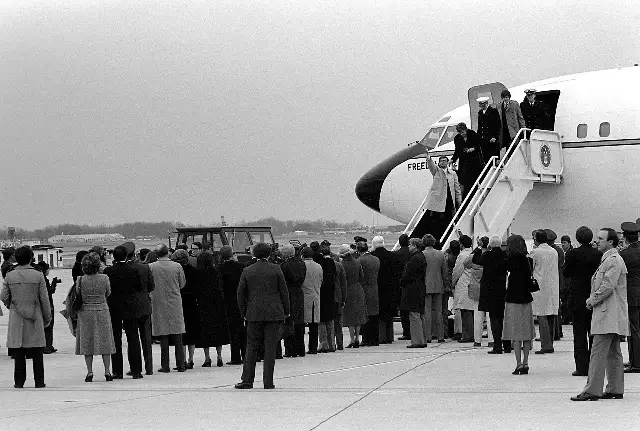
444 Days: The Iran Hostages Come Home
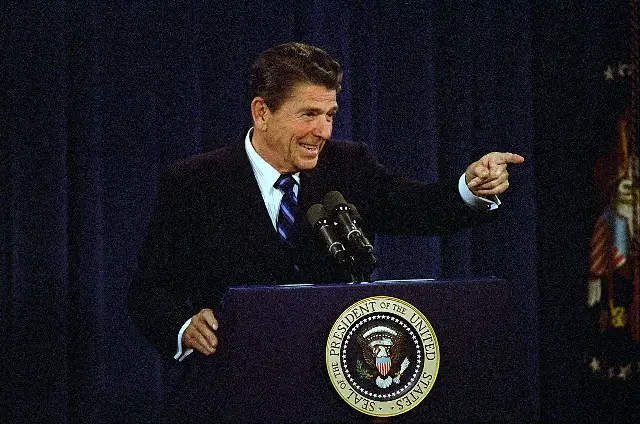
On January 20, 1981, minutes after Ronald Reagan's inauguration, Iran freed 52 American hostages after 444 days in captivity.


On January 20, 1981, minutes after Ronald Reagan's inauguration, Iran freed 52 American hostages after 444 days in captivity.
On May 13, 1981, Pope John Paul II was shot in St. Peter's Square and survived; his public forgiveness of the gunman and devotion to Our Lady of Fátima defined the event's legacy.
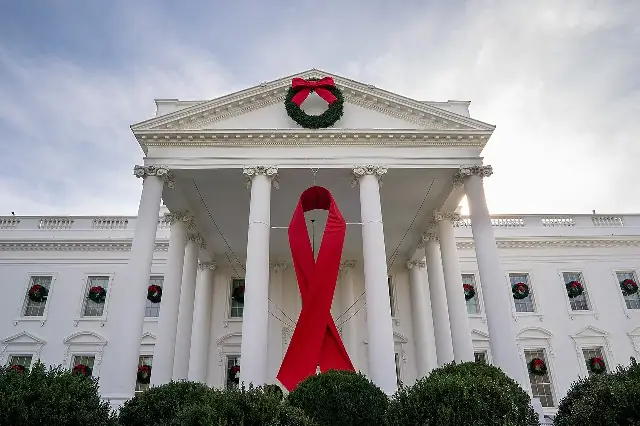
On June 5, 1981, the CDC published a report of five pneumonia cases in Los Angeles — the first official warning of what would become the HIV/AIDS pandemic.
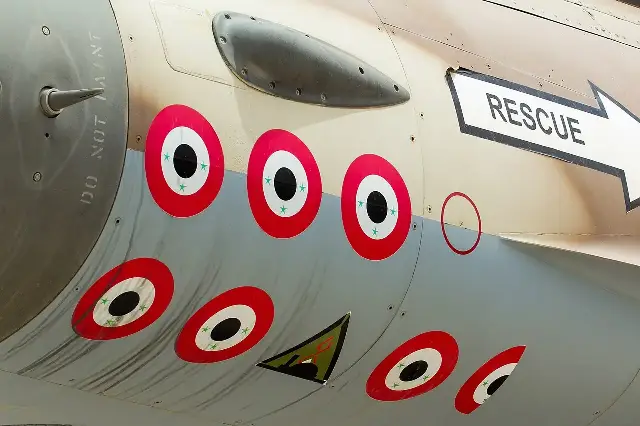
On June 7, 1981, eight Israeli F-16s flew 1,100 kilometers through hostile skies to destroy Iraq's Osirak nuclear reactor before it could go online.
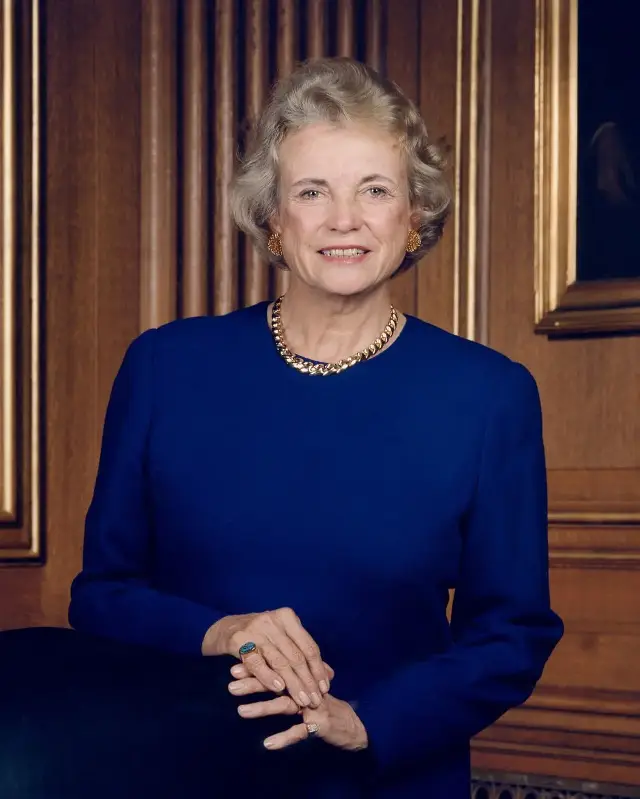
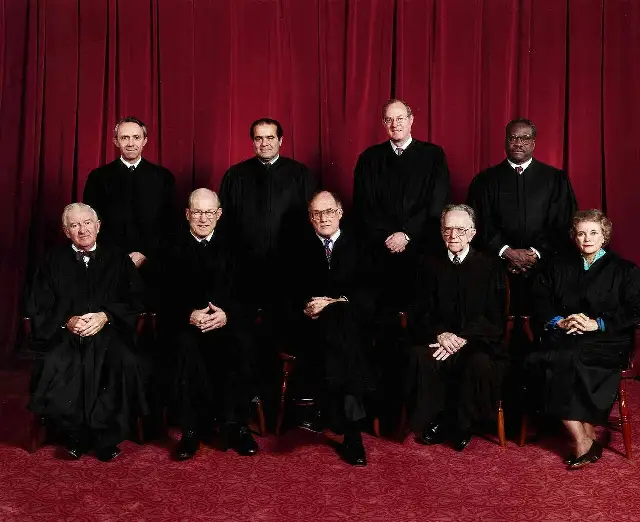
On July 7, 1981, President Reagan announced Sandra Day O'Connor as his Supreme Court nominee — the first woman ever chosen for the Court.
On August 1, 1981, MTV signed on at 12:01 a.m. with the words "Ladies and gentlemen, rock and roll" — and the first video ever aired was the Buggles' "Video Killed the Radio Star."
On August 5, 1981, President Ronald Reagan fired 11,359 air traffic controllers who refused to end their illegal strike — a shock to organized labor that echoed for decades.
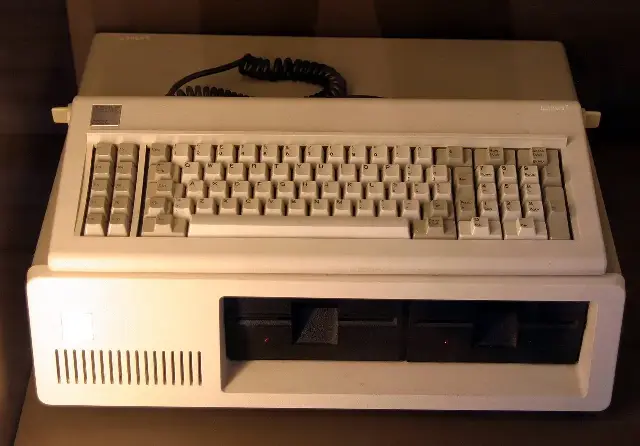
On August 12, 1981, IBM unveiled the Personal Computer — a machine that turned computing into an industry standard.
On September 25, 1981, Sandra Day O'Connor was sworn in as the first woman to sit on the U.S. Supreme Court, becoming the 102nd justice in its 191-year history.
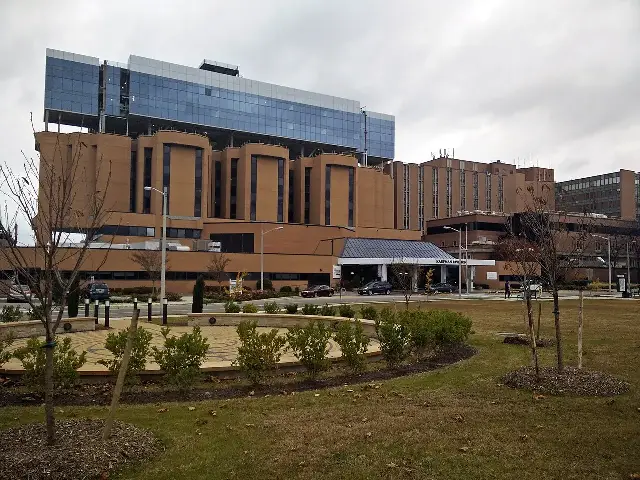
On December 28, 1981, Elizabeth Jordan Carr was born in Norfolk, Virginia — the first baby in the United States conceived through in vitro fertilization.