11,000 Fired in One Day: Reagan's Strike That Changed American Labor
On August 5, 1981, President Ronald Reagan fired 11,359 air traffic controllers who refused to end their illegal strike — a shock to organized labor that echoed for decades.
On the morning of August 3, 1981, nearly 13,000 American air traffic controllers walked off the job. By that evening, some 7,000 flights were canceled across the country. The members of the Professional Air Traffic Controllers Organization — PATCO — wanted a $10,000 raise and a shorter work week, and after fruitless negotiations with the federal government, they struck.
The walkout put Ronald Reagan, just seven months into his presidency, in an excruciating position. Federal employees were forbidden by law to strike — and the irony was sharp: during the 1980 campaign, PATCO had been one of the few unions to endorse Reagan. Now he denounced the strike as illegal and "a peril to national safety," and delivered an ultimatum: return to work within 48 hours, or be fired.
About 1,300 controllers blinked and went back to their posts. The rest — more than 11,000 — held the line. PATCO's president, Robert Poli, was found in contempt of court and fined $1,000 a day as the standoff hardened.
On August 5, an angry President Reagan carried out his threat. The federal government began firing the 11,359 controllers who had not returned to work — and Reagan banned them from federal employment for life. Transportation Secretary Drew Lewis kept the skies moving with a contingency plan: supervisors, non-striking controllers, and military controllers filled the towers while flights were sharply cut. On August 17 the FAA began accepting applications for replacements, and on October 22 the Federal Labor Relations Authority decertified PATCO. The union ceased to exist.
The human cost was staggering. Rebuilding the controller workforce took years — close to a decade by most accounts — and billions of dollars, far more than the strikers had originally demanded. It was not until 1993 that President Bill Clinton lifted the lifetime hiring ban.
But the political message landed exactly as Reagan intended. He later called the moment "an important juncture" for his young administration, saying it convinced people who might have thought otherwise "that I meant what I said." Historians credit the PATCO crackdown with emboldening employers to take a harder line with unions through the 1980s — and with demonstrating a resolve that impressed Soviet leaders, strengthening Reagan's hand in the Cold War talks to come.
August 5, 1981, was the day the modern American labor movement learned the stakes of defying the federal government. A union that had once endorsed the president watched him end it — and every labor negotiation since has happened in the shadow of those firings.
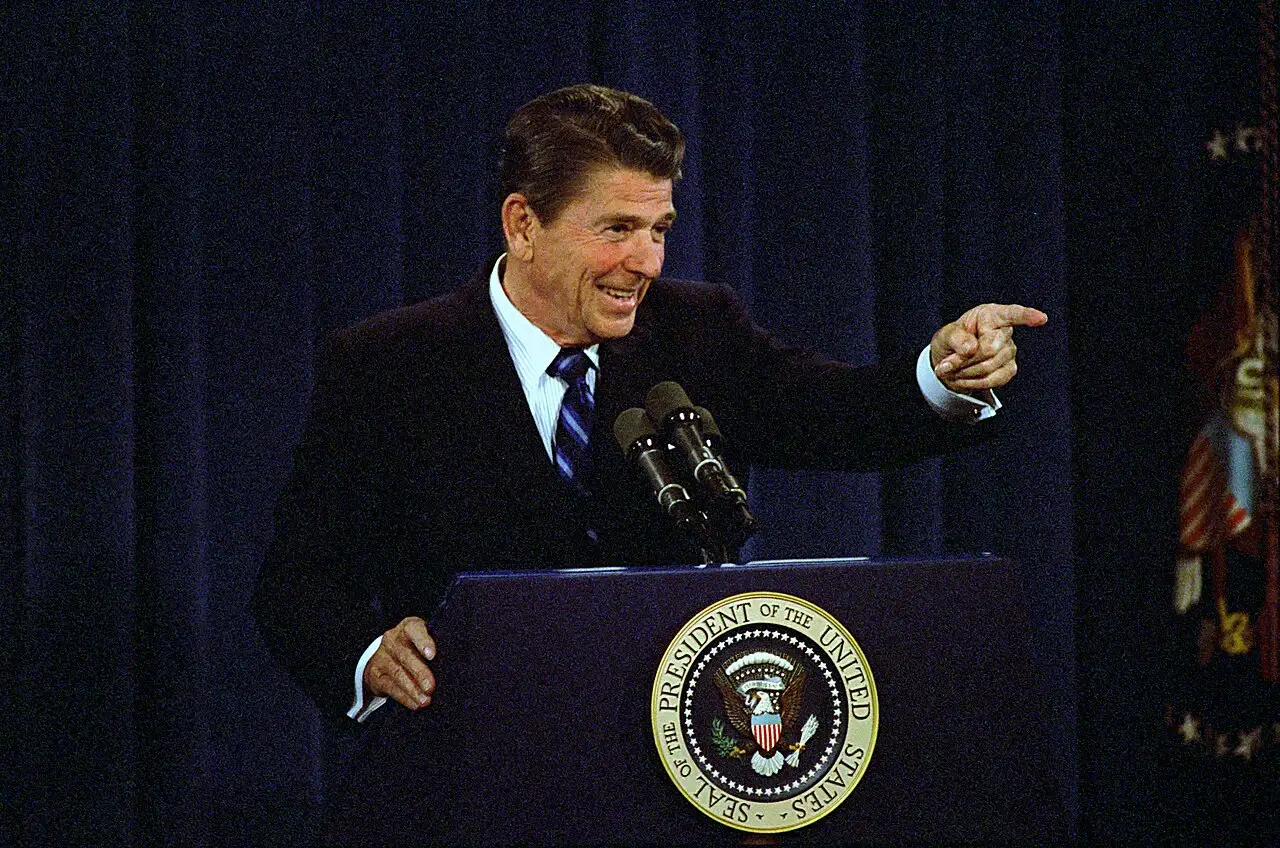
Photo: White House Photographic Office, 1981, public domain (via Wikimedia Commons).