Freedom Wins: The Amistad Africans and the Supreme Court
On March 9, 1841, the U.S. Supreme Court set the kidnapped Africans of the Amistad free, after a former president pleaded their case.
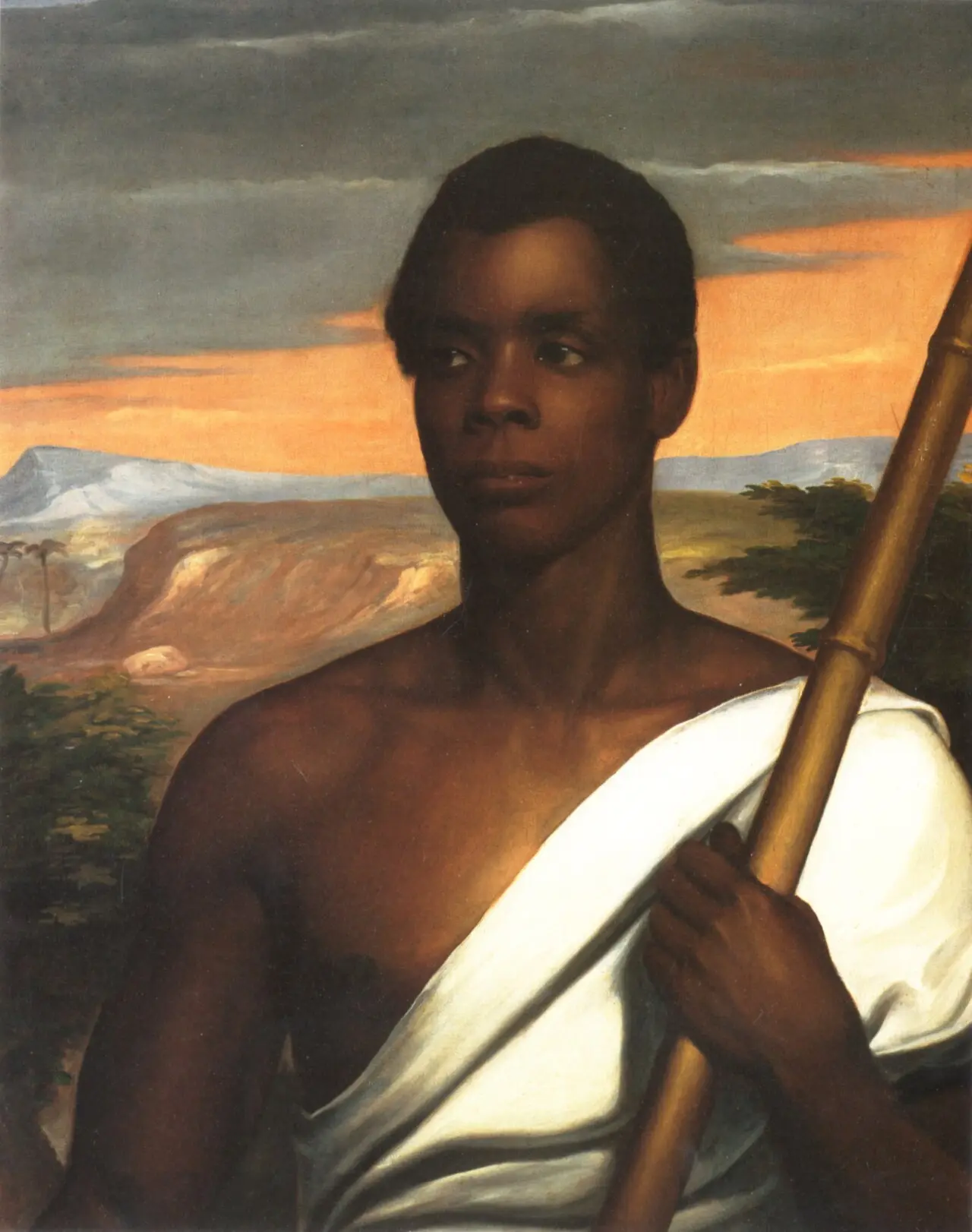
They had been stolen from their homes, chained in the dark hold of a slave ship, and sold like cargo in Havana. But in July 1839, the 53 African captives aboard the schooner La Amistad did what free people do: they rose up, led by Sengbe Pieh, a Mende man whom the Americans would call Cinque.
The revolt succeeded — the captain and the cook were killed — but freedom stayed out of reach. The Africans spared two Spanish crewmen to sail them back to Africa; by night, the Spaniards steered north instead. For nearly two months the Amistad drifted along the American coast until a U.S. Navy brig seized her off Long Island, New York, in late August 1839.
What followed was a legal battle that consumed the nation. Spain demanded the Africans back as property. President Martin Van Buren, desperate not to offend Spain or inflame the slavery debate before the 1840 election, wanted them handed over. But abolitionists formed a defense committee, and two remarkable lawyers took the case: Roger Baldwin, and a 73-year-old former president, John Quincy Adams, then serving as a congressman from Massachusetts. On February 24 and again on March 1, 1841, Adams stood before the Supreme Court and spoke for more than eight hours, arguing that the Africans were free people with a natural right to resist kidnapping.
On March 9, 1841, the Court ruled 7 to 1. Writing for the majority, Justice Joseph Story held that the Africans had been illegally seized and transported in violation of the treaties banning the transatlantic slave trade — and that as free people, they had every right to fight for their liberty. They were ordered released. It was a stunning rebuke: the nation's highest court siding with enslaved rebels over a sitting president.
Freedom, however, still required a voyage. American abolitionists raised money for passage home, and in November 1841, thirty-five survivors boarded the ship Gentleman and sailed for Sierra Leone, arriving early the next year. Nathaniel Jocelyn's 1840 portrait of Cinque — painted while the case was still pending — had already made the young leader's face an icon of the abolitionist cause.
In an era when American law bent relentlessly toward slavery, the Amistad verdict was a crack of light — proof that courts could check even a president, and that the language of natural rights still had power. It also gave the abolitionist movement its most vivid heroes: ordinary Africans who refused to be cargo. Their courage, Adams told the Court, needed no translation.
Photo: Portrait of Sengbe Pieh (Cinque) by Nathaniel Jocelyn, 1840, public domain.