
The Day News Never Signed Off: CNN Goes on the Air
On June 1, 1980, Ted Turner launched CNN from Atlanta — the world's first 24-hour all-news network — and changed how the planet receives its news.
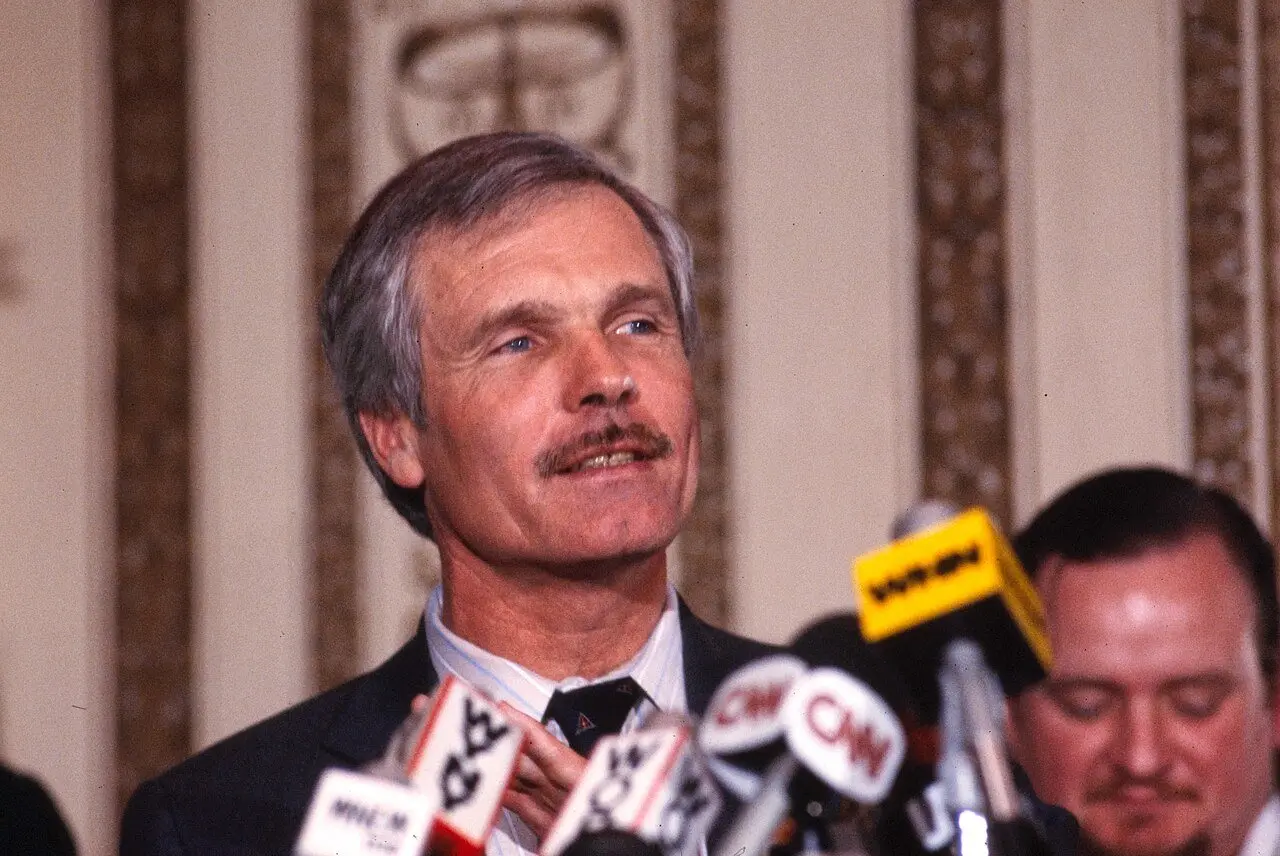
On the evening of June 1, 1980, a television studio in Atlanta did something no broadcaster had ever dared to do: it started reporting the news — and promised never to stop.
The man behind the gamble was Ted Turner, a brash billboard heir who had already turned a struggling Atlanta TV station into a national 'superstation' by beaming it across the country by satellite. Now he was betting that Americans would watch news not just at 6 and 11, but at 3 in the afternoon, at midnight, at any hour at all. Most of the television establishment thought he was out of his mind.
Turner didn't care. On June 1, 1980, he personally launched the Cable News Network — CNN — with a scrappy team of about 25 people working out of Atlanta. He opened with a promise that would become legend: 'We won't be signing off until the world ends,' he declared. 'We'll be on, and we will cover the end of the world, live, and that will be our last event … and when the end of the world comes, we'll play 'Nearer, My God, to Thee' before we sign off.' It was a nod to the hymn the band reportedly played as the Titanic sank.
At 5:00 p.m. Eastern, the network went live — ready or not. The network's first weathercaster, Flip Spiceland, later recalled that they were closer to 'not' than 'ready.' Husband-and-wife anchors David Walker and Lois Hart delivered the first newscast, and Spiceland gave the first weather report at 5:30. It was the first all-news television network in the United States, and it broadcast from Atlanta rather than from network news central in New York.
The skeptics laughed. Then history started cooperating. When the space shuttle Challenger was lost in January 1986, CNN was there live. When a toddler known as 'Baby Jessica' fell into a Texas well in 1987, CNN stayed with the rescue around the clock and the nation watched together. When war came to the Persian Gulf in 1991, correspondent Peter Arnett reported live from Baghdad as bombs fell behind him. On September 11, 2001, CNN broke the news of the attacks as they unfolded. Each crisis taught the same lesson: when something big happens, people no longer wait for the evening news.
In 1991, Time magazine named Turner its Man of the Year for changing how the world witnesses history. He would go on to build TNT, Cartoon Network, and Turner Classic Movies, give a billion dollars to the United Nations, and become one of the most consequential media figures of the century. Turner died in May 2026 at the age of 87.
Why it matters: CNN invented the 24-hour news cycle. Before June 1, 1980, news was an appointment — something you caught at dinnertime or read the next morning. Afterward, it became a constant presence, shaping everything from politics to disaster response. Every breaking-news alert on your phone traces back to that scrappy Atlanta studio and a man who promised to cover the end of the world, live.
Photo credit: Bernard Gotfryd / Library of Congress — Ted Turner photographed in April 1985, five years after launching CNN (public domain, via Wikimedia Commons).