Wilson's Fourteen Points: A Blueprint to End All Wars
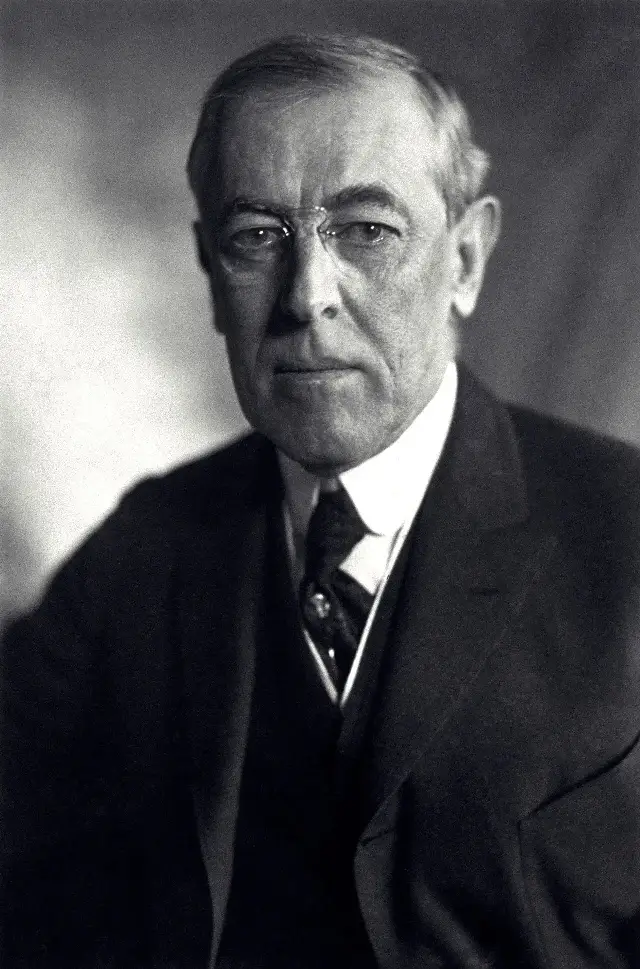
On January 8, 1918, Woodrow Wilson laid his Fourteen Points before Congress — a bold blueprint for peace promising open diplomacy, self-determination, and a league of nations.

On January 8, 1918, Woodrow Wilson laid his Fourteen Points before Congress — a bold blueprint for peace promising open diplomacy, self-determination, and a league of nations.
On February 6, 1918, the Representation of the People Act received Royal Assent, giving British women the parliamentary vote for the first time.
On February 24, 1918, Estonia seized a single day between two departing armies to declare itself an independent republic.
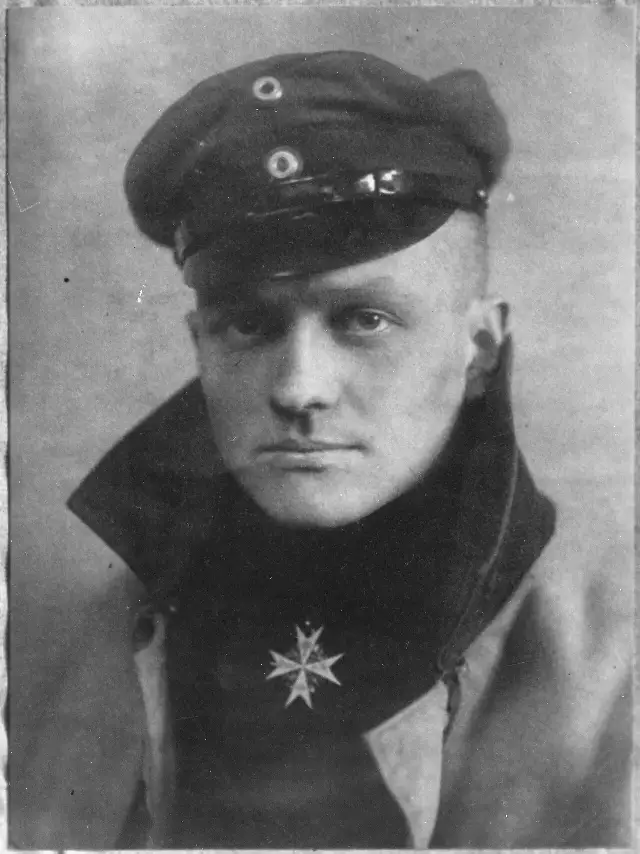
On April 21, 1918, Manfred von Richthofen — the Red Baron, the deadliest flying ace of World War I with 80 victories — was shot down over France and killed at 25.
On October 28, 1918, cheering crowds filled Prague's Wenceslas Square as Czech leaders proclaimed an independent Czechoslovakia, ending centuries of Habsburg rule.
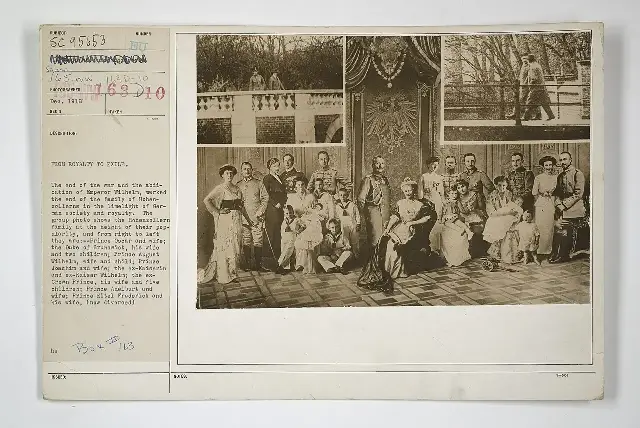
On November 9, 1918, Kaiser Wilhelm II's abdication was announced without his consent, and two rival republics were proclaimed in Berlin the same afternoon.