The First Emancipation: April 16, 1862
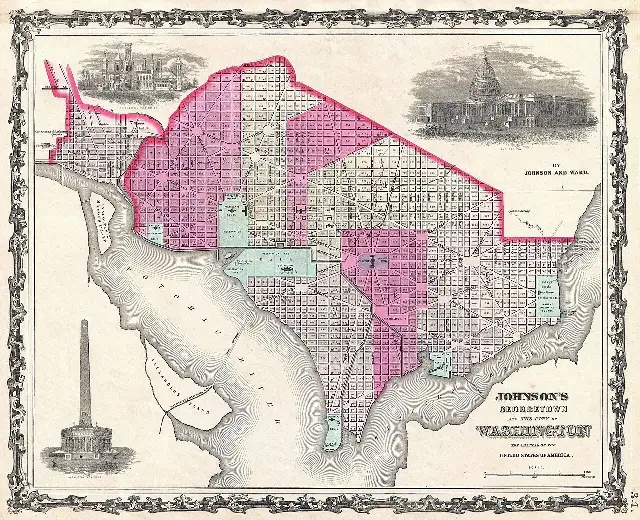
On April 16, 1862 — nine months before the Emancipation Proclamation — Lincoln signed the act that freed some 3,100 enslaved people in Washington, D.C.


On April 16, 1862 — nine months before the Emancipation Proclamation — Lincoln signed the act that freed some 3,100 enslaved people in Washington, D.C.
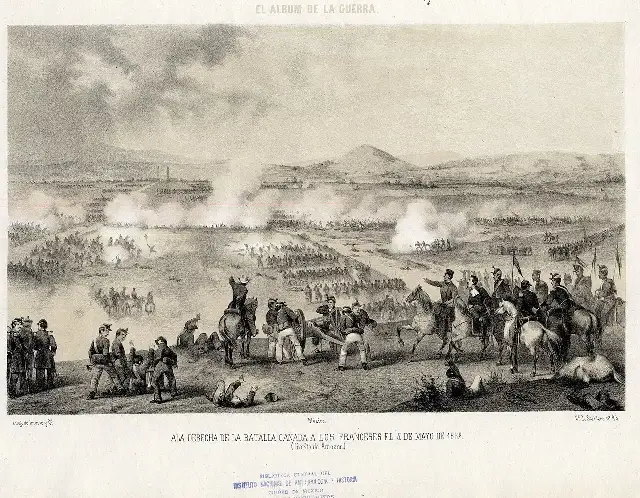
On May 5, 1862, a poorly equipped Mexican army defeated elite French forces at the Battle of Puebla — the origin of Cinco de Mayo.
On July 12, 1862, Abraham Lincoln signed the bill creating the Army Medal of Honor — America's highest award for battlefield valor.
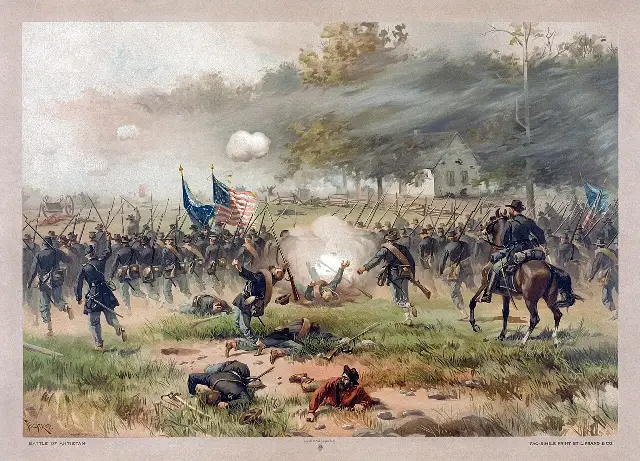
On September 17, 1862, Union and Confederate armies met near Sharpsburg, Maryland, in the bloodiest single day in American military history — giving Lincoln the opening he needed to free the slaves.
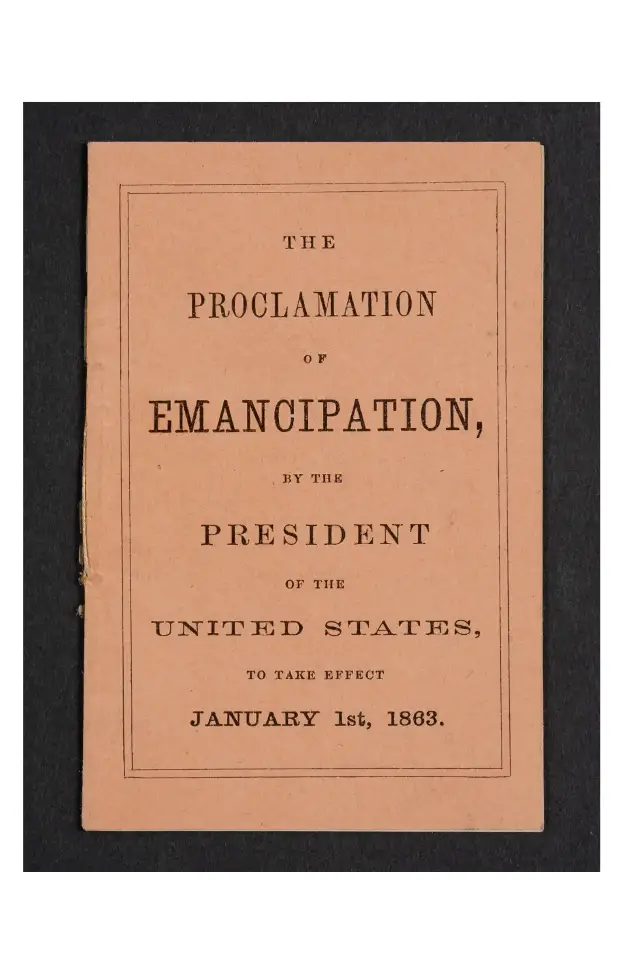
On September 22, 1862, Abraham Lincoln issued the Preliminary Emancipation Proclamation: enslaved people in rebellious states would be "then, thenceforward, and forever free" on January 1, 1863.
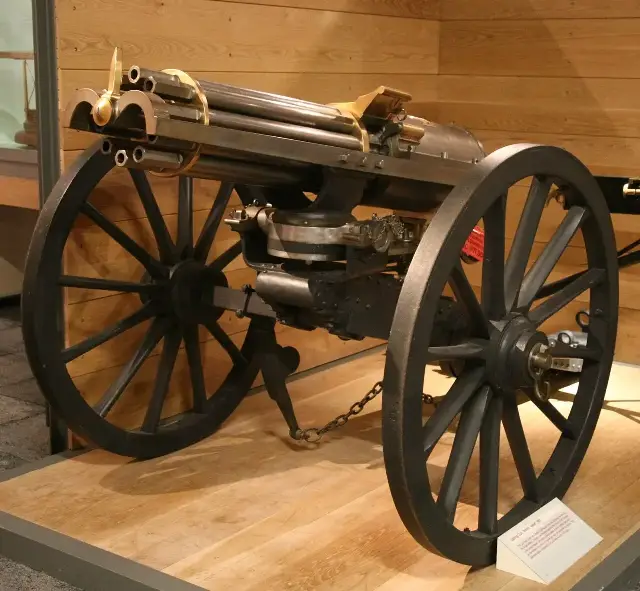
On November 4, 1862, Richard Gatling received U.S. Patent No. 36,836 for his hand-cranked 'revolving battery gun' — the ancestor of the modern machine gun.
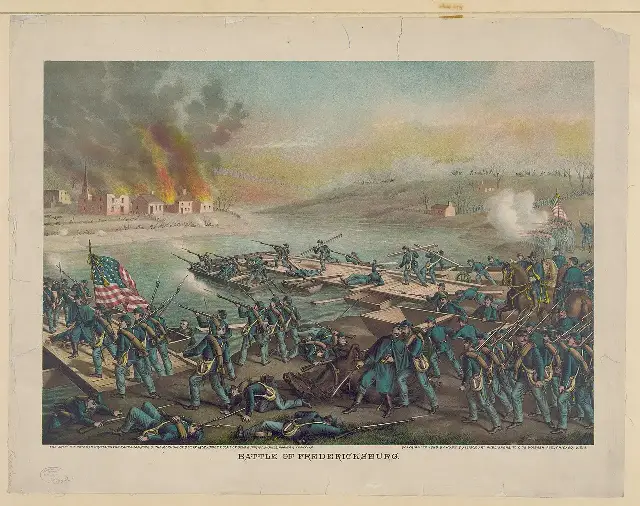
On December 13, 1862, Union troops launched wave after wave of frontal assaults against Confederate defenses at Marye's Heights, in one of the Civil War's most one-sided battles.