A League to End All Wars
On January 10, 1920, the Treaty of Versailles took effect and with it the League of Nations — humanity's first attempt at a world organization dedicated to keeping the peace.


On January 10, 1920, the Treaty of Versailles took effect and with it the League of Nations — humanity's first attempt at a world organization dedicated to keeping the peace.
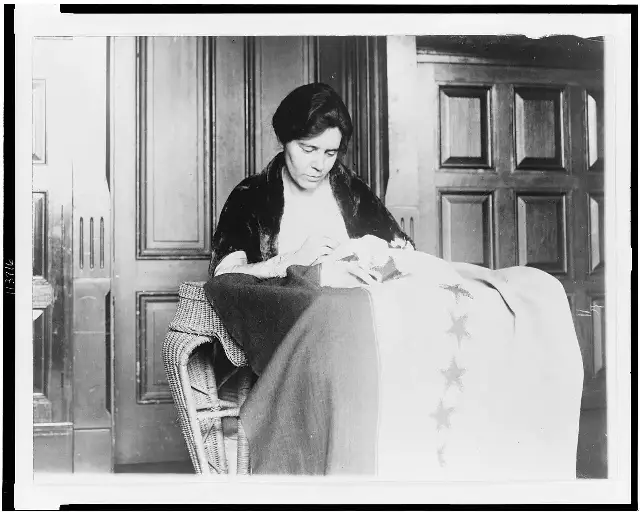
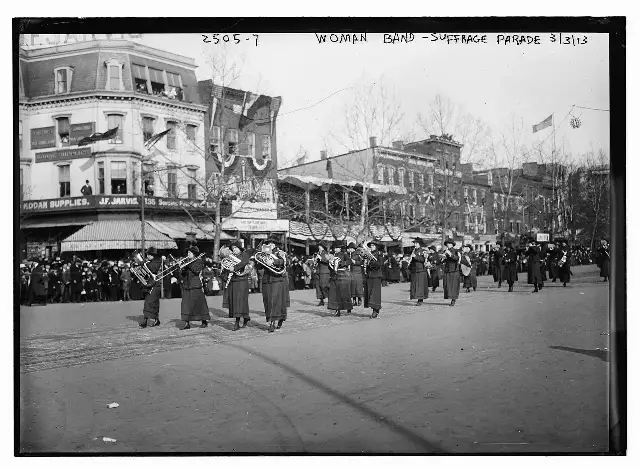
On August 18, 1920, a 24-year-old Tennessee legislator changed his vote and put women's suffrage into the U.S. Constitution.
On August 26, 1920, Secretary of State Bainbridge Colby certified the 19th Amendment, making women's suffrage the law of the land after a 72-year struggle.
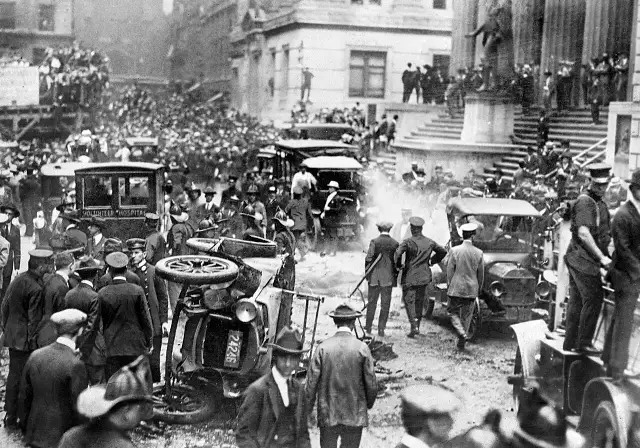
On September 16, 1920, a wagon bomb exploded outside J.P. Morgan at 23 Wall Street, killing 38 people in the deadliest terrorist attack on American soil to that date — and no one was ever charged.
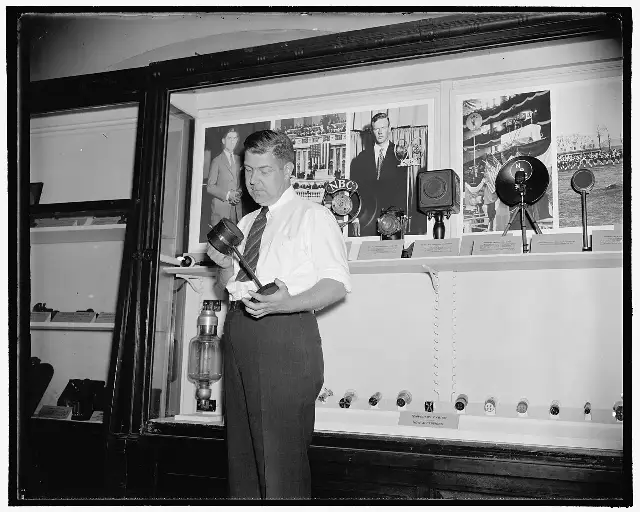
On November 2, 1920, Pittsburgh's KDKA broadcast the Harding–Cox election returns — the first licensed commercial radio broadcast in history.
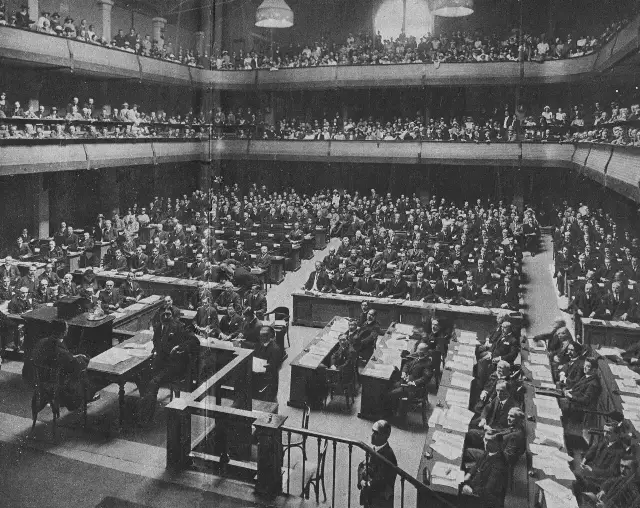
On November 15, 1920, delegates from 41 nations gathered in Geneva for the first Assembly of the League of Nations — humanity's first worldwide organization for keeping the peace.
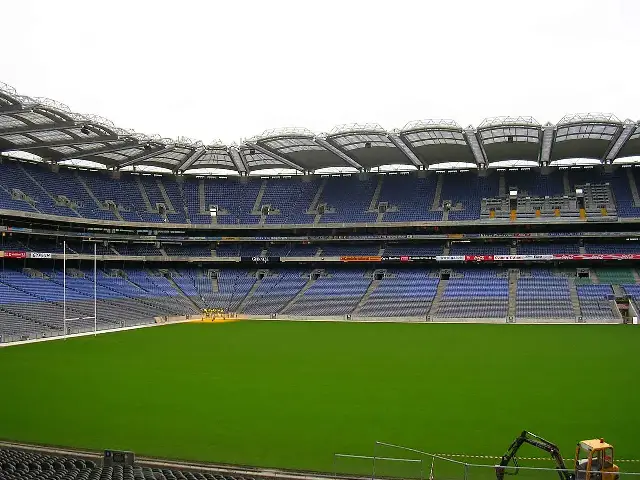
On November 21, 1920, Dublin endured three separate waves of killing in a single day — IRA assassinations at dawn, a massacre of football fans that afternoon, and murders in Dublin Castle at night.