
The Modern Olympics Begin in Athens
On April 6, 1896, King George I of Greece opened the first modern Olympic Games before some 80,000 spectators in Athens' marble Panathenaic Stadium.
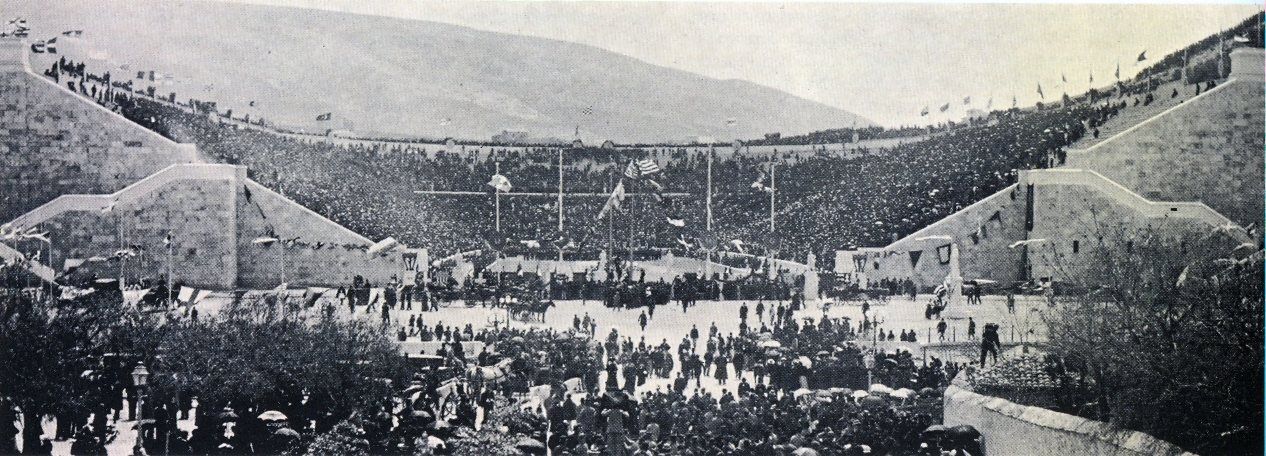
Eighty thousand spectators filled a marble stadium older than the Roman Empire, and the King of Greece stood to address them. It was Easter Monday, April 6, 1896 — also the anniversary of Greek independence — and after nearly 1,500 years, the Olympic Games were about to begin again.
The man who made it happen was Baron Pierre de Coubertin, a French aristocrat with an unlikely dream: that nations could settle their rivalries on the running track instead of the battlefield. In June 1894 he had convened a congress in Paris, where delegates founded the International Olympic Committee and chose Athens — the ancient home of the Games — to host the first modern Olympiad.
Greece, though, was nearly broke, and the whole enterprise almost moved to Budapest. It was saved by private generosity, most famously from the businessman George Averoff, whose donation paid to rebuild the Panathenaic Stadium — originally built in 330 B.C. — in gleaming white marble.
The opening ceremony was unlike anything the modern world had seen. The athletes lined up on the infield, grouped by nation. Crown Prince Constantine, president of the organizing committee, gave a speech, and then his father, King George I, officially declared the Games open. Nine bands and 150 choir singers performed an Olympic Hymn composed by Spyridon Samaras with words by the poet Kostis Palamas — a piece that would later become the official Olympic Anthem.
Fourteen nations sent athletes, though most of the competitors were Greek. The program would look familiar to today's fans — track and field, fencing, weightlifting, shooting, tennis, cycling, swimming, gymnastics, and wrestling — but stripped of almost everything we now associate with the Olympics. There was no flame; that would not arrive until 1928. No athletes' oath; that began in 1920. Just the events, the marble, and the crowd.
The Games' high point came on the eleventh day: the first modern marathon, run from the town of Marathon to Athens to honor the ancient legend. More than 100,000 people lined the route and packed the stadium to watch a Greek water-carrier named Spiridon Louis win the race. The roar when he entered the stadium, by every account, shook the marble.
The 1896 Games were judged a great success — the largest international sporting event ever held to that date. Afterward, prominent voices, including King George himself, petitioned to keep all future Games in Athens. But Paris 1900 was already planned, and the Olympics would not return to Greece for 108 years, until Athens 2004.
Why it matters: a Frenchman's idealistic bet — that sport could make nations see one another as rivals rather than enemies — became the largest recurring peaceful gathering in human history. Every torch relay, every medal ceremony, every four-year countdown traces back to that Easter Monday afternoon in Athens.
Photo: Unknown author, public domain (via Wikimedia Commons).