
The Day Nevada Legalized Gambling — and Las Vegas Was Born
On March 19, 1931, Nevada governor Fred Balzar signed the bill legalizing commercial gambling, launching the industry that built Las Vegas.
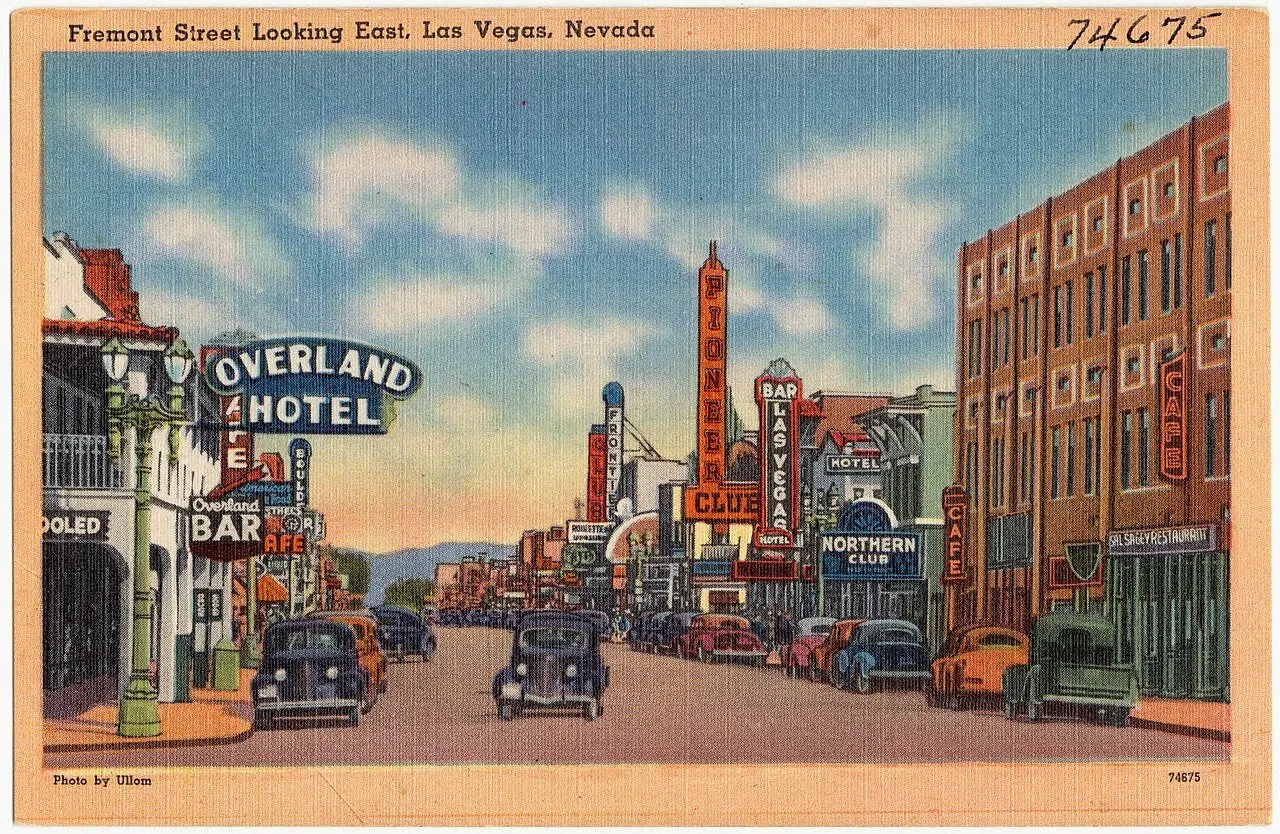
Nevada was broke, so it legalized sin. On March 19, 1931, in the depths of the Great Depression, Governor Fred Balzar signed Assembly Bill 98, making Nevada the first state to legalize wide-open commercial gambling — and setting a dusty railroad town called Las Vegas on the road to becoming the entertainment capital of the world.
The state was desperate. Its mining and ranching economy was collapsing, its population shrinking, its tax revenues drying up. The one bright spot was Southern Nevada, where construction of the Hoover Dam was drawing thousands of workers with paychecks to spend. A freshman Republican assemblyman from Humboldt County, Phil Tobin, introduced the legalization bill that February, and it sailed through both houses of the legislature.
It wasn't Nevada's first experiment. The territory had legalized gambling back in 1869, then criminalized commercial games in 1909 — though social gambling stayed legal and the ban was never truly enforced. By 1931, lawmakers decided to stop pretending. The same day Balzar signed the gambling bill, he signed another cutting the residency requirement for a Nevada divorce to six weeks, making Reno the divorce capital of America too. Asked about signing both, the governor told reporters simply: "Yes I signed them both."
The town was ready. The night the bill was signed, Reno’s newspaper reported crowds of men flocking to the city’s largest gambling resort, where "dice and card games did a flourishing business on the inaugural eve of legal standing." Even before the vote, the Winnemucca Chamber of Commerce had polled its members on legalization: of 69 merchants, only one refused to sign a petition in favor.
The change didn't look like much at first. Reno's Bank Club rushed to enlarge and renovate in anticipation; between Henderson and Boulder City, the Railroad Pass Casino took the state's fourth gambling license and opened on August 1, 1931, to entertain Hoover Dam construction workers — with its predecessors long closed, it stands today as Nevada's oldest legal casino. In Las Vegas, the Golden Gate — which had opened as the Nevada Hotel back in 1906 — became the city's oldest hotel-casino.
The real boom came after World War II, when promoters like Bugsy Siegel saw what Nevada's law made possible and built lavish casino-hotels in the desert. By the 1950s Las Vegas was booming; by the 1960s it was iconic. One legislative session in Carson City had turned vice into an industry — and proved that a state willing to legalize what its neighbors criminalized could build an entire identity on it. Today gambling is legal in some form in most American states. Nevada just got there first, because in 1931, it couldn't afford not to.
Photo: Tichnor Bros., CC BY-SA 4.0 (via Wikimedia Commons).