The Sunday Night the Dollar Floated Free
On August 15, 1971, Richard Nixon announced the U.S. would stop exchanging dollars for gold, ending the Bretton Woods era and unchaining modern currencies.
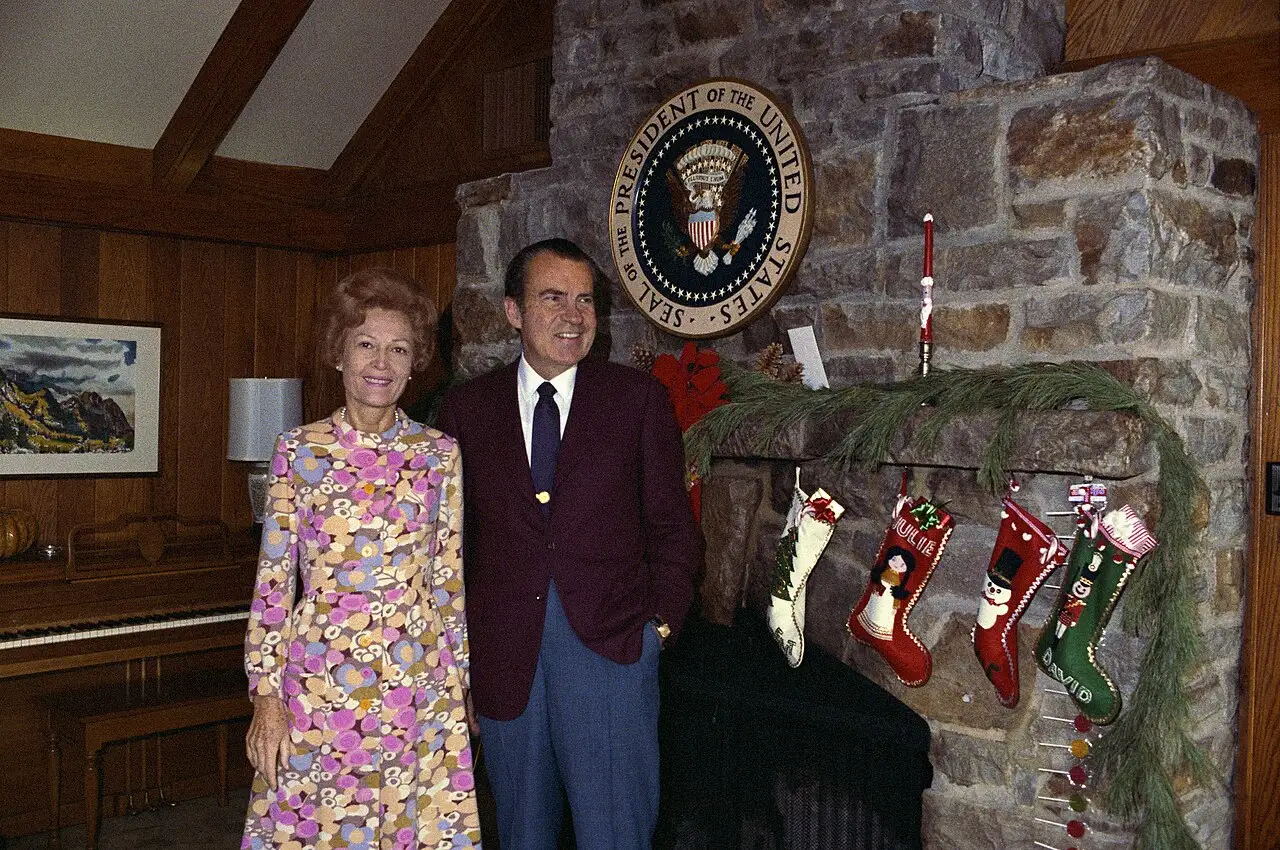
On a Sunday night in August 1971, millions of Americans settling in for their evening television programs got a president instead.
Two days earlier, Richard Nixon had slipped away to Camp David with his top economic advisers — Treasury Secretary John Connally, Federal Reserve Chair Arthur Burns, economist Paul Volcker, and others — in complete secrecy. No staff, no press, no leaks. The postwar money system was breaking, and they had to decide what to do before the markets opened Monday.
The problem was gold. Since the Bretton Woods agreement of 1944, the world's major currencies had been pegged to the U.S. dollar, and the dollar itself was convertible into gold at $35 an ounce. But America had printed far more dollars than its gold could back, and foreign governments were cashing those dollars in for bullion, draining U.S. reserves. The math no longer worked. Connally pitched the answer not as surrender to economic forces but as a show of American strength — and Nixon bought it.
So on the evening of August 15, Nixon went on television and announced that he had directed Connally to "suspend temporarily the convertibility of the dollar into gold or other reserve assets." He called it temporary. The gold window never reopened.
The package went further: a 90-day freeze on wages and prices, and a 10 percent surcharge on imports. The public loved it — the next day the Dow Jones jumped nearly 33 points, its biggest one-day gain ever to that point, and The New York Times applauded the president's boldness.
But the real consequence was permanent and profound. With the dollar cut loose from gold, the world's currencies began to float against one another, their values set by markets rather than by treaty. The era of fiat money — currency backed by trust rather than metal — had begun. Within a year, new markets were trading currency futures; within two, the last attempts to fix exchange rates had collapsed.
Every dollar in your wallet is a descendant of that Sunday night: money whose value rests not on gold in a vault, but on confidence. On August 15, 1971, America stopped promising to back its word with metal — and the world has been floating ever since.
An attempt to patch the system, the Smithsonian Agreement of December 1971, tried to fix new exchange rates, but markets kept pushing, and by early 1973 the last pegs gave way. Floating currencies, born that Sunday night, were here to stay.
Photo: White House Photo Office, public domain (via Wikimedia Commons).