When a Cyclone Sank Two Navies: The 1889 Apia Disaster
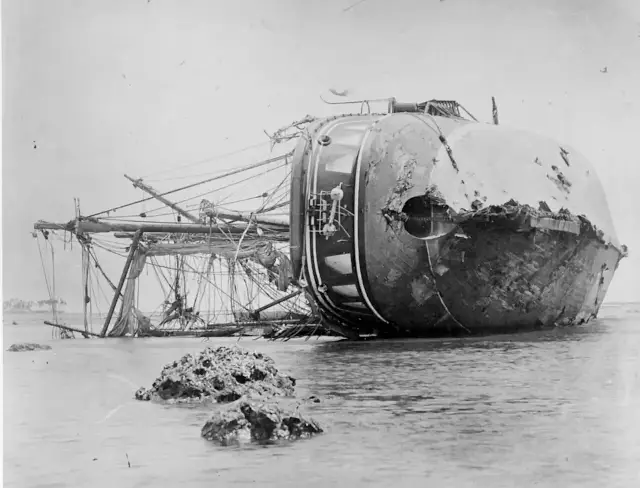
On March 15, 1889, a cyclone smashed American and German warships together in Samoa's Apia harbor, drowning more than 200 sailors — and averting a war.


On March 15, 1889, a cyclone smashed American and German warships together in Samoa's Apia harbor, drowning more than 200 sailors — and averting a war.
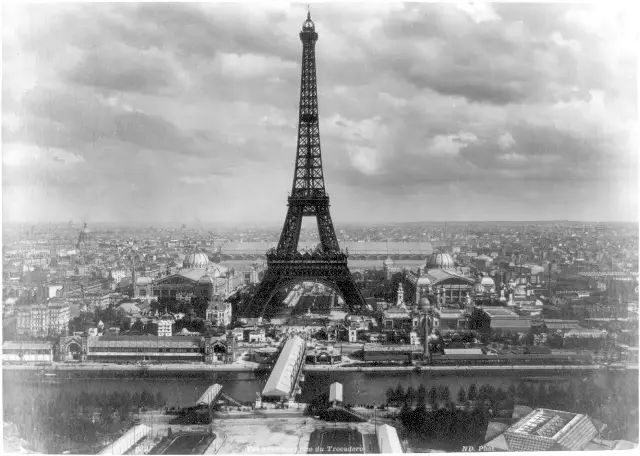
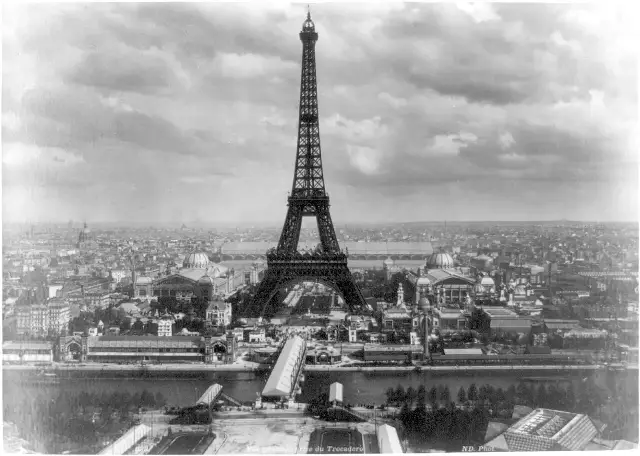
On March 31, 1889, Gustave Eiffel opened his 984-foot tower in Paris — once an eyesore, now the world's most famous landmark.
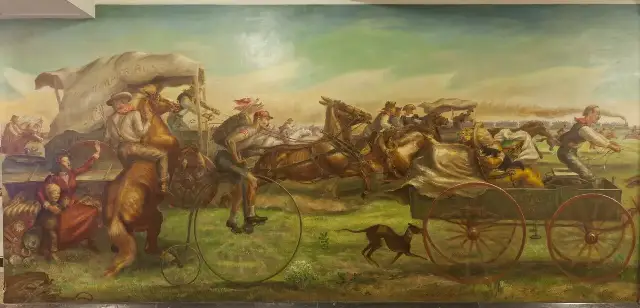
At noon on April 22, 1889, some 50,000 settlers charged into Oklahoma's Unassigned Lands at a cannon's boom, staking 160-acre claims in the wildest land rush in American history.
On May 6, 1889, the Eiffel Tower opened to the public at the Paris World's Fair — a 300-meter iron giant its critics had called a monstrous eyesore.
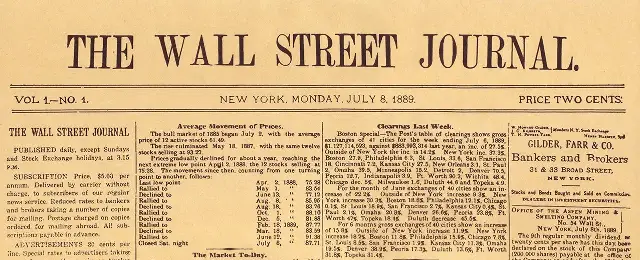
On July 8, 1889, a two-cent, four-page newcomer hit New York’s streets — and grew into America’s newspaper of business.
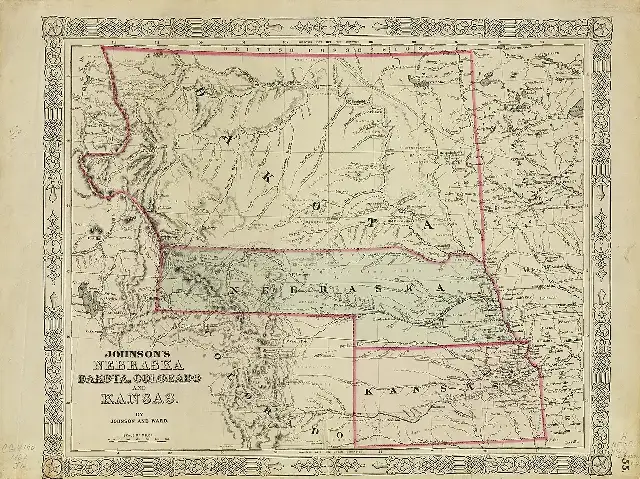
On November 2, 1889, North Dakota and South Dakota entered the Union as the 39th and 40th states — and the president hid which one came first.
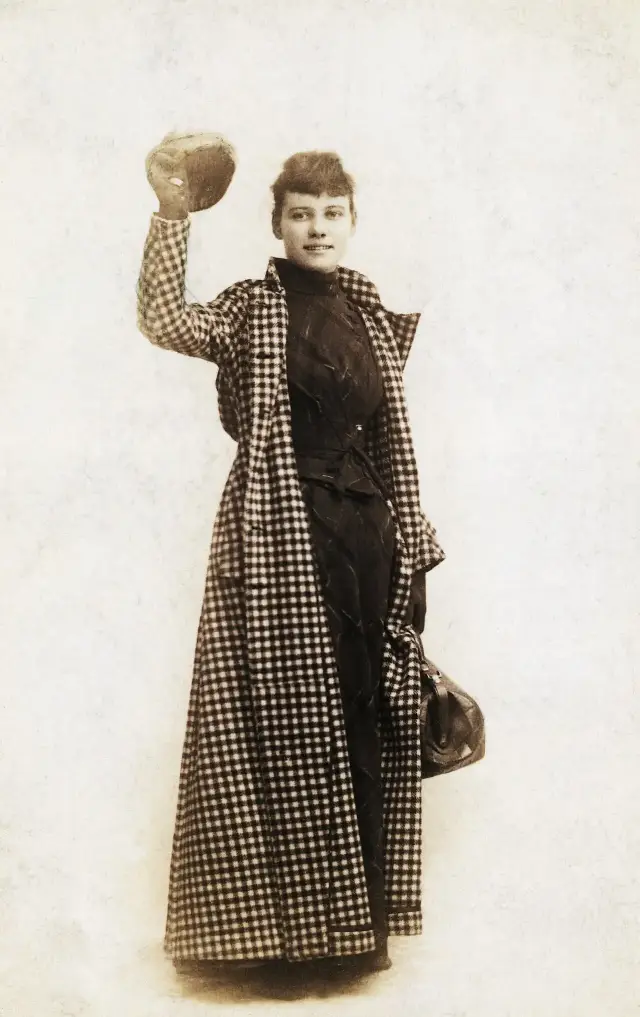
On November 14, 1889, reporter Nellie Bly boarded a steamer in New York determined to circle the globe faster than Jules Verne's fictional Phileas Fogg.