
The Man Who Chose His Own Birthday
Born into slavery in February 1818 with no birth record, Frederick Douglass chose February 14 as his birthday, reclaiming the identity bondage tried to steal.
Valentine's Day means cards and chocolate for most of us. For Frederick Douglass, February 14 was something far more powerful: it was the birthday he gave himself.
Douglass was born into slavery in Talbot County, Maryland, in February 1818. Enslaved children were given no birth records, no certificates, nothing to mark the day they entered the world. In his autobiography he wrote the plain, devastating sentence: "I have no accurate knowledge of my age, never having seen any authentic record containing it." He knew only that it was sometime in February, a month enslavers marked by "planting time" and "harvest time," never by a child's birthday.
He barely knew his mother, Harriet Bailey. She lived twelve miles away on another plantation and could visit him only a handful of times, walking through the night after a full day's labor, then walking back before dawn. But she left him one thing: a pet name. She called him her "Little Valentine." On one of those rare visits, he remembered, she gave him a ginger cake, and he felt, as he later wrote, "prouder, on my mother's knee, than a king upon his throne."
When Douglass escaped from slavery in 1838, he began building a free life from nothing, and part of that building was claiming the identity slavery had denied him. He had, he said, as good a right to a birthday as anyone else. And so he chose February 14, the day tied to his mother's love, and celebrated it for the rest of his life.
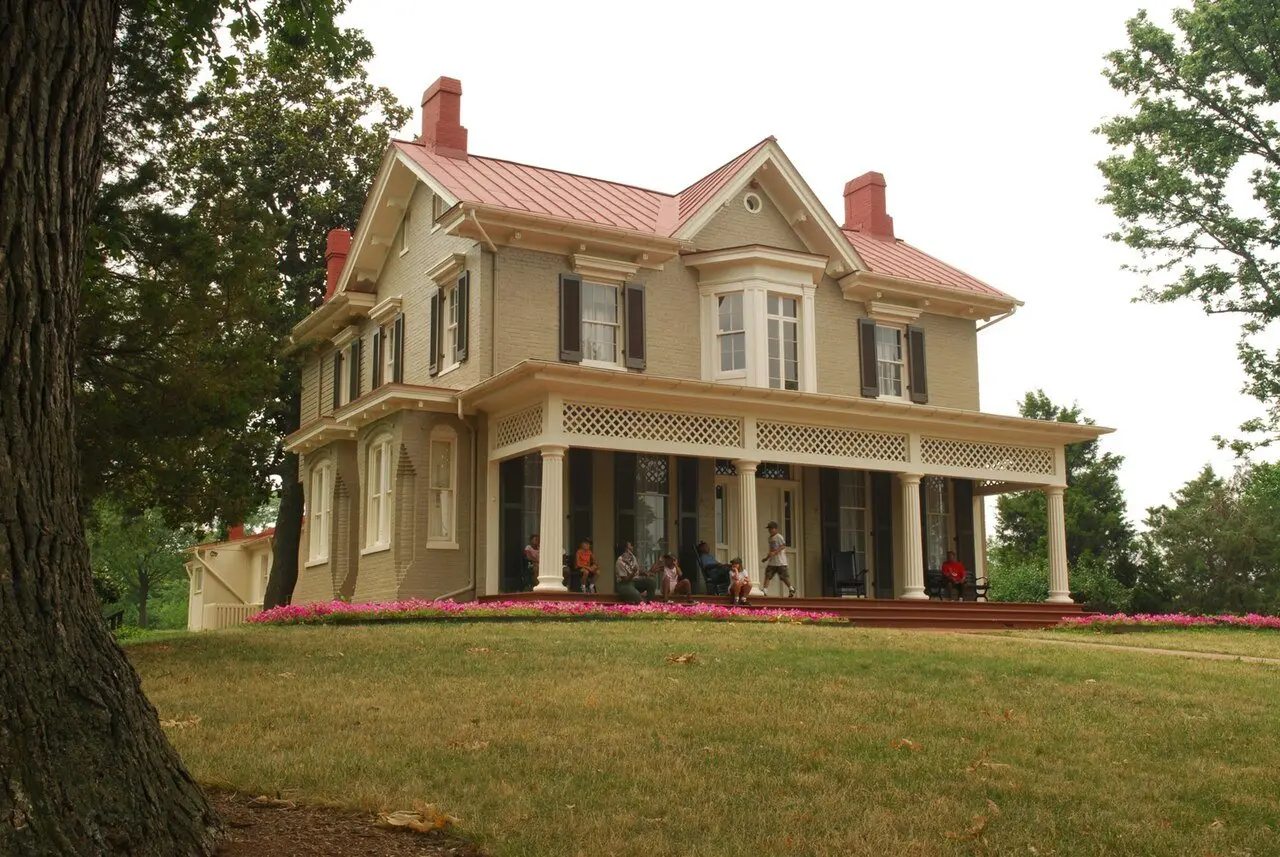
What a life it was. Douglass taught himself to read in defiance of laws that made literacy a crime for enslaved people. He became the nation's leading abolitionist orator, published his Narrative of the Life of Frederick Douglass in 1845, and founded the antislavery newspaper the North Star. He advised presidents, including Abraham Lincoln, pressed for Black men to serve as Union soldiers in the Civil War, and fought for voting rights and equality until his death on February 20, 1895, at his home, Cedar Hill, in Washington, D.C.
Douglass's chosen birthday is celebrated every February 14, and there is a reason the story still lands. A birthday is a small thing, really: one day a year that says you matter, that your arrival was worth noting. Slavery tried to take even that from him. He took it back. Every Valentine's Day, we can remember not just the date he picked, but the act of self-definition behind it: a man insisting, against a system built to erase him, that he was somebody's child, and somebody.
Photo: National Park Service, public domain (via Wikimedia Commons).