A Sparkle in the Millrace: The Discovery That Built California
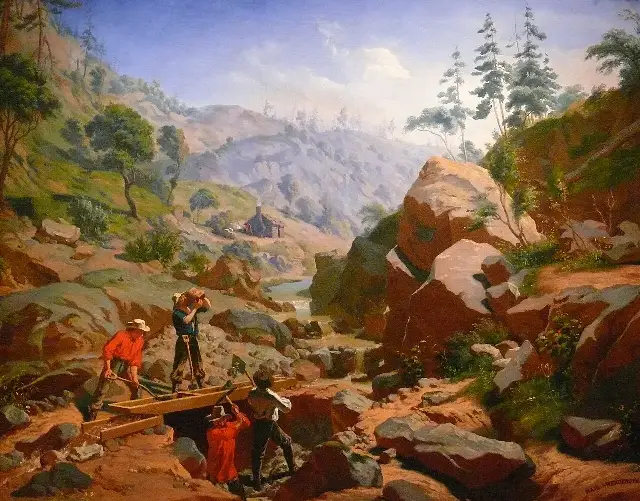
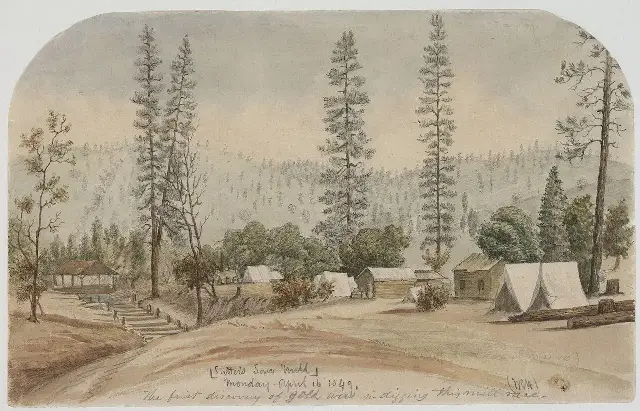
On January 24, 1848, James Marshall spotted gold flakes at Sutter's Mill, setting off the California Gold Rush and the largest mass migration in U.S. history.


On January 24, 1848, James Marshall spotted gold flakes at Sutter's Mill, setting off the California Gold Rush and the largest mass migration in U.S. history.
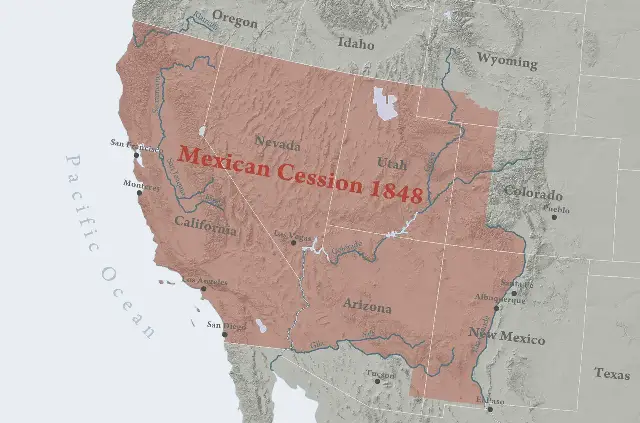
On February 2, 1848, the Treaty of Guadalupe Hidalgo ended the Mexican–American War and transferred roughly half of Mexico's territory — including California — to the United States.
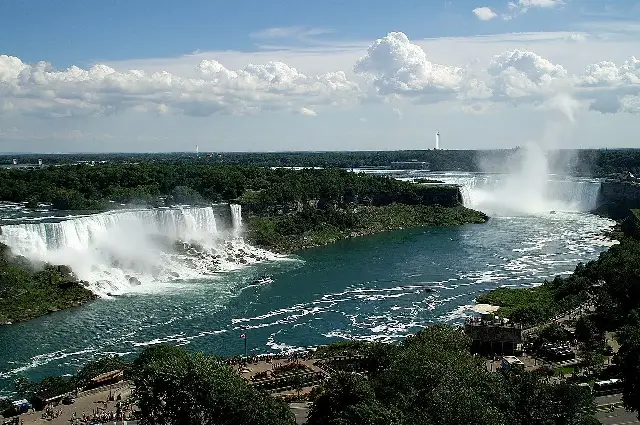
On March 29, 1848, an ice jam choked the Niagara River at its source, silencing the falls for 30 hours while astonished townsfolk walked the dry riverbed.
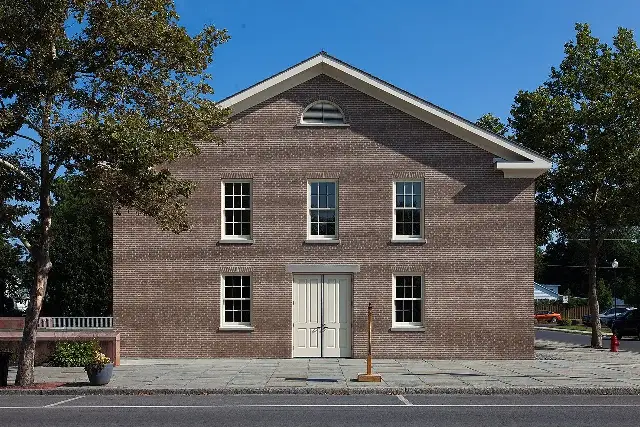
On July 19, 1848, about 300 people crowded into a small chapel in Seneca Falls, New York, for the first women's rights convention ever organized by women — and lit the fuse of a 72-year fight.
On December 5, 1848, President James K. Polk told Congress that California's gold was real — and within a year, 100,000 fortune-seekers were racing west.