The Taxman Finally Gets Scarface
On October 17, 1931, America's most feared gangster was convicted — not of murder or bootlegging, but of not paying his taxes.
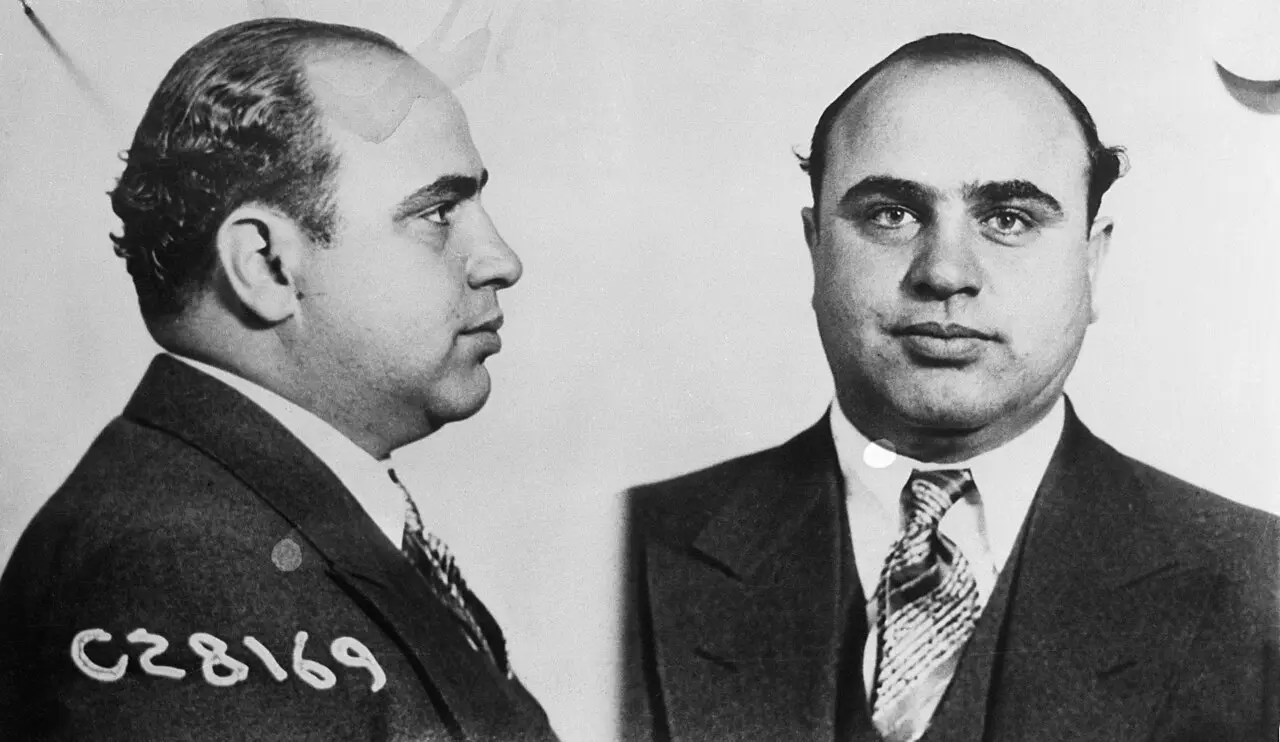
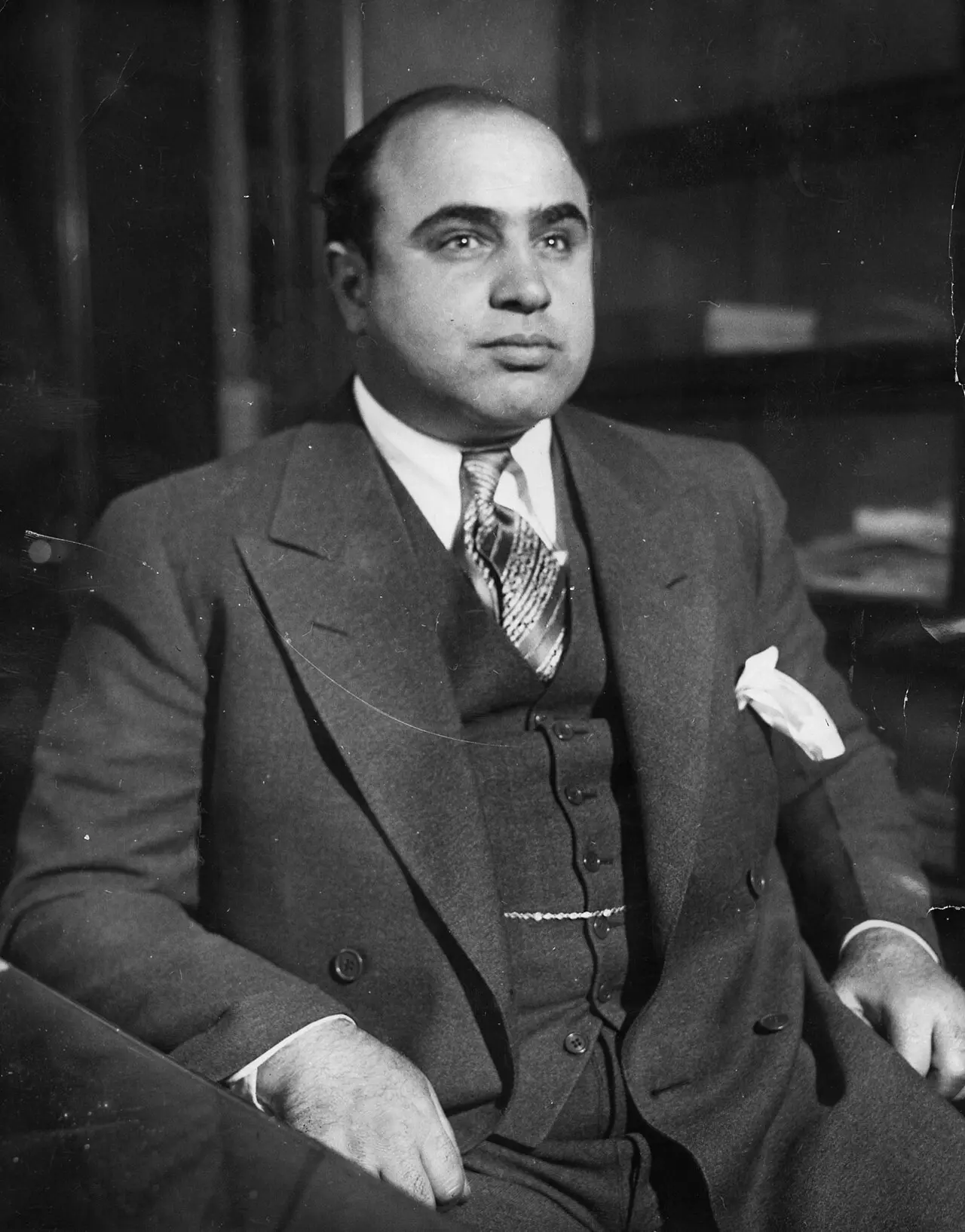
They called him Scarface, and for a decade he was the most feared man in America. Al Capone ran Chicago's underworld during Prohibition — the bootlegging, the gambling halls, the speakeasies — and every lawman who came after him came away empty-handed. His empire ran on bribery, intimidation, and a code of silence no prosecutor could crack.
So on October 17, 1931, when a Chicago jury finally brought him down, it wasn't for murder. It wasn't for bootlegging. It was for not paying his taxes.
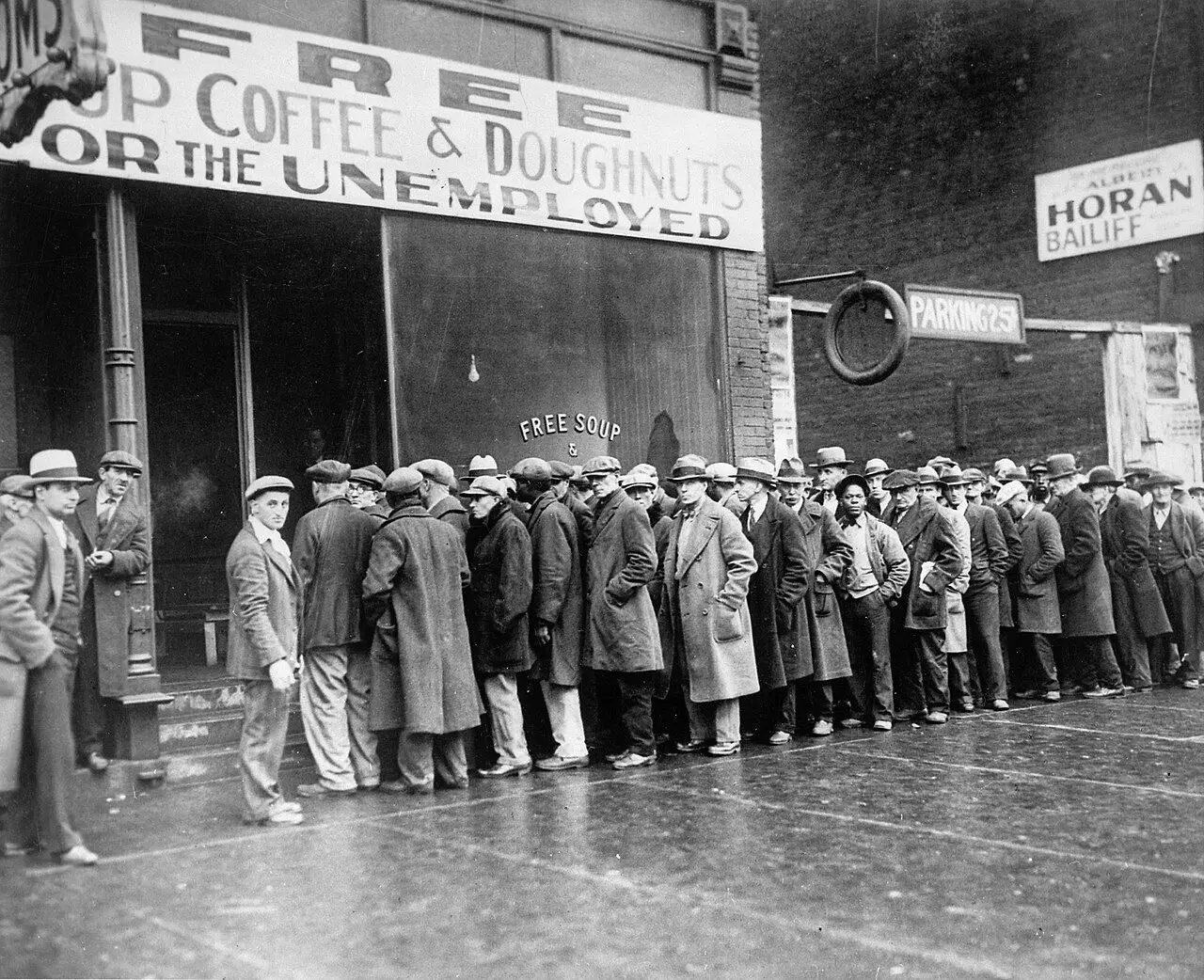
The paradox of Capone was on full display in the months before his trial. In February 1931, as the Great Depression ground on, his organization opened free soup kitchens across Chicago, feeding thousands of unemployed men coffee, doughnuts, and soup. The gangster was buying goodwill the same way he bought everything else — and it worked. To much of the public, he was a folk hero, a Robin Hood in a fedora.
But federal tax investigators had been quietly building a different kind of case. While detectives chased witnesses who wouldn't talk, accountants followed the money — and the money talked plenty. The government charged that Capone had evaded $215,000 in taxes on more than a million dollars of income between 1925 and 1929, money he had never reported because reporting it would have meant admitting where it came from.
The trial opened October 5 before Judge James H. Wilkerson. When Wilkerson got wind that Capone's organization planned to tamper with the jury, he did something dramatic on the first morning: he swapped in an entirely different jury panel. Capone's lawyers, left with hours to prepare, fell back on a weak defense — that essentially all his income had been lost to gambling. It didn't matter. After about nine hours of deliberation, on October 17, the jury found him guilty on five counts: three felonies for tax evasion and two misdemeanors for failing to file returns.
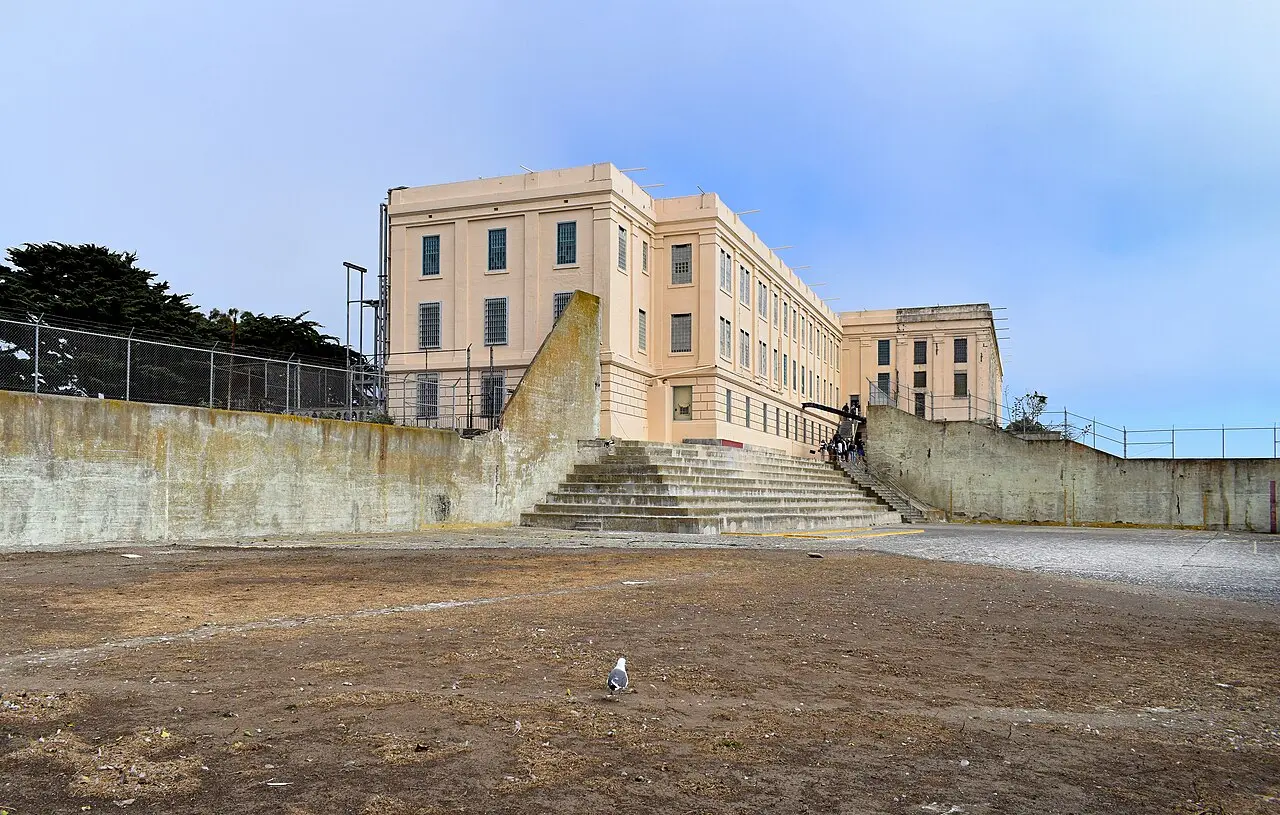
A week later, Wilkerson sentenced him to eleven years in federal prison, plus a $50,000 fine and court costs. The man who had owned Chicago served most of his time on Alcatraz, the island fortress in San Francisco Bay. He was released in 1939 after about seven and a half years, his health broken, and died in 1947 — never a kingpin again.
The lesson of October 17, 1931, outlived the man. Bullets, bribes, and fear had made Al Capone untouchable. Ledger sheets made him a convict. It remains the most famous demonstration of an old truth: no matter how powerful you are, the taxman always gets his cut.
Photo: U.S. National Archives (NARA), public domain (via Wikimedia Commons).
More images (via Wikimedia Commons, public domain): Al Capone's mugshot (U.S. Bureau of Prisons); Al Capone in 1930 (Chicago Bureau, FBI); the recreation yard at Alcatraz (Radomianin).